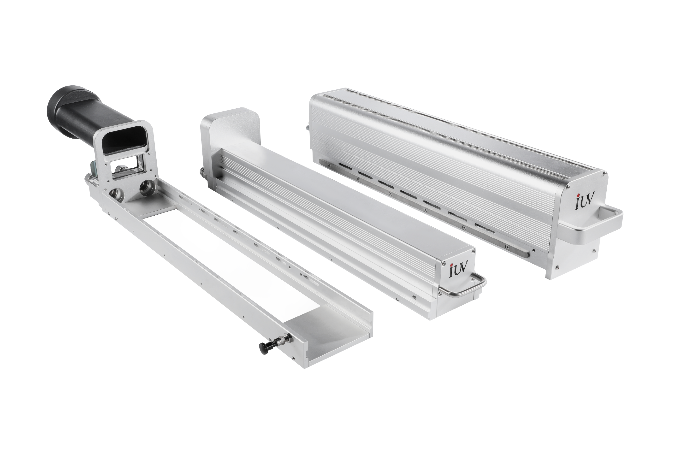
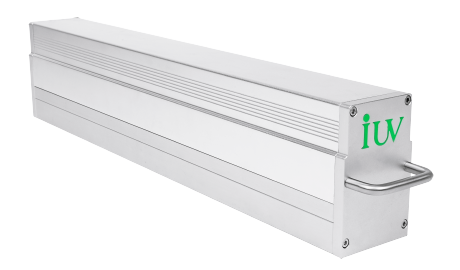
Upgrading to an LED UV curing system is a significant step for any printing operation. It promises faster drying times, improved print quality, and enhanced sustainability. However, a smooth installation hinges on thorough preparation. This guide outlines the critical elements every printer should consider before the arrival of their new LED UV curing system, ensuring a seamless integration into your existing workflow.
Understanding the Benefits of LED UV Curing
Before diving into preparation, it’s beneficial to briefly touch upon why this upgrade is so impactful. LED UV curing technology offers several advantages over traditional mercury lamp systems. It provides instant curing, allowing for immediate handling and finishing of printed materials. The focused spectrum of UV light leads to higher gloss, better scratch resistance, and sharper detail. Furthermore, LED systems are more energy-efficient, generate less heat, and have a longer lifespan, reducing operational costs and environmental impact.
Site Assessment: The Foundation of a Successful Installation
The physical space where your LED UV curing system will be installed is paramount. A detailed site assessment will prevent costly mistakes and delays.
Power Requirements: LED UV curing systems, while energy-efficient, still demand a stable and adequate power supply. Consult the manufacturer’s specifications for exact voltage, amperage, and phase requirements. Ensure your existing electrical infrastructure can support this load. You may need to upgrade your main electrical panel or run dedicated circuits. Certified electricians should handle all electrical work to comply with safety regulations.
Ventilation and Heat Management: Although LED systems produce less heat than older technologies, some ventilation is still necessary. Proper airflow helps maintain optimal operating temperatures for both the curing unit and your printing press. Consider the ambient temperature of your facility. If your print room tends to get warm, additional cooling solutions might be needed to prevent equipment overheating and maintain consistent curing performance.
Space and Accessibility: Measure the dimensions of the curing unit carefully. Ensure there is sufficient clearance around the unit for installation, maintenance, and operation. Access to all sides is crucial for adjustments, cleaning, and repairs. Think about how the system will integrate with your existing press. Will it fit within the press’s footprint? Will it obstruct operator access to other machine controls?
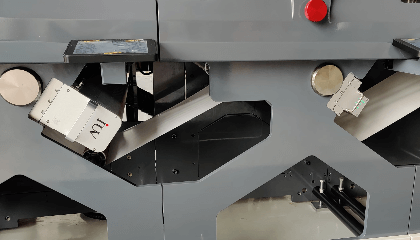
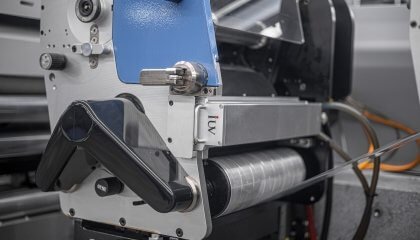
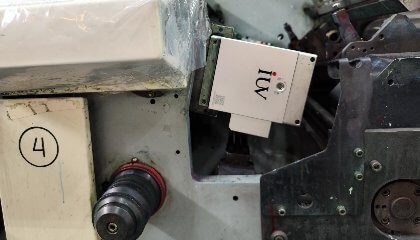
Mounting and Support: Most LED UV curing systems are integrated directly onto the printing press. Verify the structural integrity of the press to support the weight and any vibration from the curing unit. Manufacturers provide mounting brackets and specifications. Confirm these are compatible with your press model. If your press is older or has a unique design, custom mounting solutions might be required.
Environment and Cleanliness: Printing environments should be clean, but for UV curing, dust is a particular concern. Dust particles can adhere to the substrate and be cured by the UV light, leading to imperfections in the print. Prepare the installation area by thoroughly cleaning it. Consider implementing stricter dust control measures in the vicinity of the installation.
Integrating with Your Printing Press: Key Considerations
The seamless integration of the LED UV curing system with your printing press is vital for optimal performance.
Press Compatibility: Not all LED UV curing systems are universally compatible with every printing press. Narrow web flexographic presses, for instance, have specific mounting points and space constraints. Offset presses, whether sheetfed or web, also require precise alignment and integration. Always confirm compatibility with both the curing system manufacturer and your press manufacturer.
Web Path and Tension Control: For web presses (flexographic, offset, or narrow web), the web path must be carefully considered. The LED UV unit needs to be positioned so that the substrate passes directly under the emitters. Misalignment can lead to uneven curing or damage to the web. Maintaining consistent web tension is also critical. The added weight or drag of the curing unit should not negatively impact web tension control, which is essential for print registration and quality.
Ink and Coating Compatibility: LED UV curing systems operate with specific UV-curable inks and coatings. These formulations are designed to react to the precise wavelengths emitted by the LEDs. Ensure your chosen inks and coatings are certified for use with your new LED UV system. This compatibility is fundamental to achieving the desired cure, adhesion, and final print properties. Discuss your ink and coating requirements with your ink supplier well in advance.
Speed and Synchronization: The curing speed of the LED system must be synchronized with the maximum printing speed of your press. A system that cannot cure at the press’s top speed will bottleneck your production. Modern LED systems offer adjustable power output and curing speeds, allowing for fine-tuning. Confirm that the system’s specifications meet or exceed your press’s capabilities.
Operational and Consumable Preparation
Beyond the physical installation, preparing for the operational aspects and necessary consumables is equally important.
Operator Training: Proper training for your press operators is non-negotiable. They need to understand how to operate the LED UV curing system, including startup and shutdown procedures, power adjustments, and basic troubleshooting. Training should cover safety protocols specific to UV light exposure and any new maintenance routines.
Consumables and Spare Parts: Stock up on essential consumables. This includes any specific cleaning supplies recommended by the manufacturer, as well as spare parts that might be prone to wear. While LED lamps have a long life, having basic spares on hand can minimize downtime. Discuss with the manufacturer which parts are considered common wear items.
Maintenance Schedule: Establish a routine maintenance schedule for the LED UV curing system. This will include cleaning the emitters and reflectors, checking connections, and monitoring performance. Adhering to a regular maintenance plan will ensure the longevity and optimal performance of your investment.
Safety Protocols: UV light can be harmful to the eyes and skin. Implement strict safety protocols to ensure operators and other personnel are protected. This includes using appropriate personal protective equipment (PPE) when necessary, ensuring interlock systems function correctly, and educating staff about the hazards of direct UV exposure. Many systems have built-in safety features that should be tested regularly.
Specific Preparations for Different Printing Methods
The nature of your printing process will dictate some unique preparation steps.
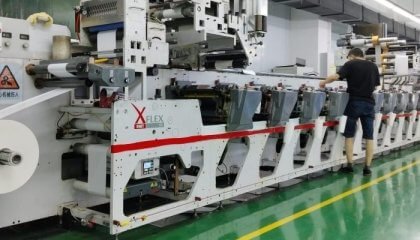
Narrow Web Flexography: For label and packaging printers using narrow web presses, space is often at a premium. Precise integration is key. Ensure the LED UV unit can be mounted without interfering with web guiding systems, slitting stations, or other inline finishing modules. The web path must be optimized for consistent ink transfer and curing across the entire web width. Consider the effect on web tension, especially at high speeds.
Tag Printing: Similar to narrow web flexo, tag printing often involves specialized presses. The key is to ensure the curing system can handle the specific substrates and ink types used for tags, which might include cardstock or specialty papers. Alignment for precise curing on often smaller, individual tags is important.
Offset Printing (Sheetfed and Web): For offset presses, the LED UV curing system needs to be integrated into the delivery section or between printing units. Sheetfed applications require robust mounting solutions to handle the weight and vibration. Web offset requires careful consideration of the web path and tension, especially for multi-unit presses where multiple curing units might be installed. The system must be able to keep pace with the press’s high speeds.
The Importance of Manufacturer Consultation
Throughout this preparation process, maintaining open communication with your LED UV curing system manufacturer is crucial. They are the experts on their equipment and can provide invaluable guidance tailored to your specific press model and production needs.
Pre-Installation Site Visit: Many manufacturers offer pre-installation site visits. Take advantage of this service. They can assess your facility, identify potential challenges, and offer solutions before installation begins. This proactive approach can save significant time and money.
Technical Specifications and Documentation: Thoroughly review all technical specifications, installation manuals, and user guides provided by the manufacturer. Understand the system’s capabilities, limitations, and maintenance requirements.
Warranty and Support: Clarify the warranty terms and available after-sales support. Knowing what is covered and how to access technical assistance will provide peace of mind after the installation is complete.
By diligently addressing these preparation points, you will pave the way for a smooth and successful installation of your new LED UV curing system. This investment will undoubtedly enhance your printing capabilities, improve product quality, and contribute to a more efficient and sustainable operation.