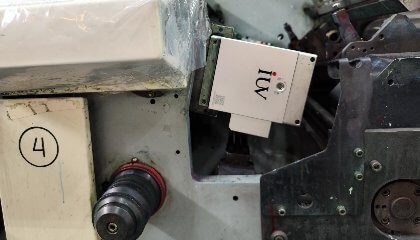
The label printing industry is in constant pursuit of efficiency and innovation. For narrow web converters, achieving higher productivity while maintaining exceptional print quality is a paramount goal. This is where LED UV curing technology enters the picture, offering a compelling case for investment. Understanding the return on investment (ROI) of this technology is crucial for making informed decisions. This review explores the practical aspects of LED UV curing for label converters.
The Evolution of UV Curing in Label Printing
Traditional UV curing systems have been a staple in label printing for decades. They utilize mercury vapor lamps to generate UV light, which initiates a photochemical reaction in UV-curable inks and coatings. This process rapidly dries (cures) the ink, allowing for faster printing speeds and the use of specialty substrates. However, mercury lamps have their limitations. They generate significant heat, consume considerable energy, and have a finite lifespan, requiring frequent replacement.
Enter LED UV Curing: A Game Changer
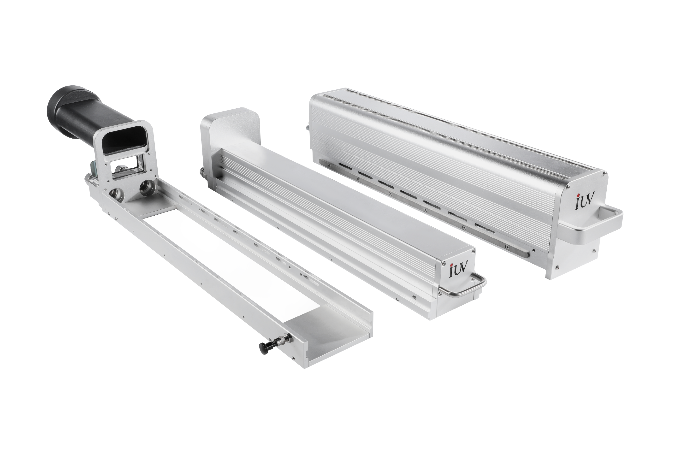
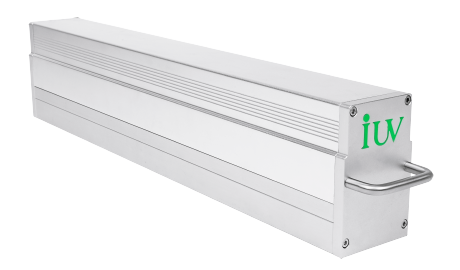
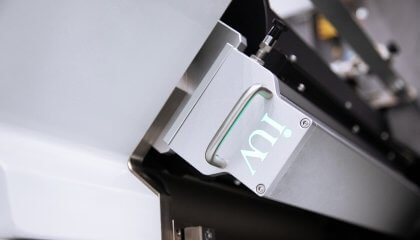
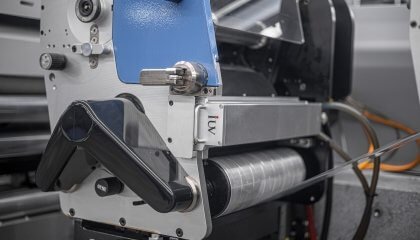
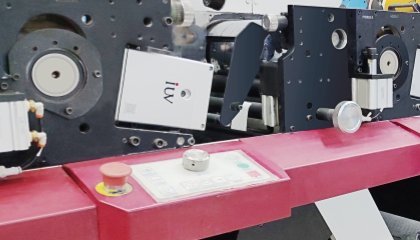
LED (Light Emitting Diode) UV curing represents a significant advancement. Instead of relying on mercury vapor, LEDs emit UV light at specific wavelengths. This targeted emission offers several advantages over traditional lamps. The primary benefits include drastically reduced energy consumption, significantly lower heat generation, and a much longer operational lifespan. For label converters, this translates into tangible cost savings and operational improvements.
Key Factors Influencing LED UV Curing ROI
When evaluating the ROI of LED UV curing, several key factors come into play. These are not just theoretical benefits; they represent real-world impacts on your bottom line.
1. Energy Savings: A Direct Impact
One of the most immediate and quantifiable benefits of LED UV curing is its energy efficiency. LEDs consume a fraction of the power required by traditional mercury lamps. This reduction in energy consumption directly lowers operational costs. For a narrow web press running multiple shifts, these energy savings can accumulate significantly over the lifespan of the equipment, contributing directly to a faster ROI. Consider the difference in power draw between a bank of mercury lamps and a modern LED array. The numbers speak for themselves.
2. Reduced Heat and Substrate Flexibility
Traditional UV lamps generate substantial heat, which can limit the types of substrates a converter can use. Heat-sensitive materials like certain plastics or thin papers can warp or degrade under the intense heat. LED UV curing, on the other hand, produces very little heat. This allows for greater flexibility in substrate choice, opening up new market opportunities. You can confidently print on a wider range of materials, including those that were previously off-limits due to heat concerns. This expanded capability can lead to increased sales and market share.
3. Extended Lamp Lifespan and Reduced Maintenance
The lifespan of mercury lamps is typically around 1,000-2,000 hours. LEDs, however, can last for 20,000 hours or more. This dramatically reduces the frequency of lamp replacement, saving on both the cost of the lamps themselves and the labor associated with changing them. Furthermore, the downtime associated with lamp changes is minimized, leading to increased press uptime and overall productivity. This reduction in maintenance and replacement costs is a significant contributor to the overall ROI.
4. Improved Print Quality and Consistency
LED UV curing systems offer precise control over the UV output. This allows for more consistent curing across the entire print width, leading to improved ink adhesion and scratch resistance. The specific wavelengths emitted by LEDs are also optimized for most UV-curable inks, ensuring efficient and complete curing. This enhanced consistency translates to fewer print defects and higher quality labels, reducing waste and rework. For converters focused on high-quality, demanding applications, this consistency is invaluable.
5. Environmental Benefits and Compliance
Beyond the direct financial benefits, LED UV curing also offers environmental advantages. The reduced energy consumption lowers a facility’s carbon footprint. Furthermore, the elimination of mercury vapor eliminates the hazardous waste associated with traditional lamps, simplifying disposal and enhancing a company’s environmental credentials. This can be a significant selling point for environmentally conscious clients.
Analyzing the ROI: A Practical Approach for Label Converters
To properly assess the ROI of LED UV curing for your label printing operation, a thorough analysis is required. This involves looking beyond the initial purchase price and considering the total cost of ownership and the potential for increased revenue.
1. Initial Investment vs. Long-Term Savings
The initial investment in LED UV curing equipment can be higher than traditional UV systems. However, it’s essential to look at the long-term savings. Factor in the reduced energy bills, the savings on replacement lamps, the decrease in maintenance costs, and the potential for reduced waste due to improved print quality. Over the lifespan of the equipment, these savings often far outweigh the initial cost.
2. Increased Throughput and Productivity
The ability to print at higher speeds with instant curing enabled by LED technology can lead to significant increases in press throughput. More labels printed per hour means greater overall productivity. This increased capacity can allow you to take on more work, reduce lead times for your customers, and ultimately boost revenue. Quantify how much faster your press can run with LED curing compared to your current setup.
3. Substrate and Application Expansion
As mentioned earlier, the flexibility to print on a wider range of substrates opens up new business opportunities. If you can now print high-quality labels on materials that were previously inaccessible, this directly translates to potential new revenue streams. Identify the types of jobs you currently turn away or struggle with due to substrate limitations. LED UV curing can make these jobs feasible and profitable.
4. Waste Reduction and Rework
Improved print consistency and curing lead to fewer rejected labels and less rework. The cost of waste, both in terms of materials and press time, can be substantial. By minimizing these issues, LED UV curing contributes to a healthier bottom line. Calculate the current cost of waste and rework and estimate the savings you could achieve with more reliable curing.
Implementation Considerations for Flexographic and Offset Printing
While this discussion focuses on label converters, it’s important to note that LED UV curing is applicable to various printing processes commonly used in label production, including flexographic and offset printing.
For Flexographic Presses:
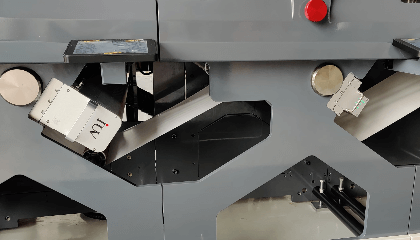
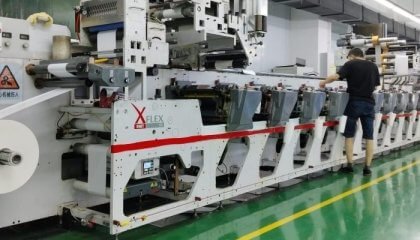
In narrow web flexo printing, LED UV curing integrates seamlessly. The quick curing allows for faster line speeds, essential for meeting the demands of the label market. The reduced heat is particularly beneficial for thinner film substrates often used in flexible packaging labels. The consistent output ensures reliable ink transfer and vibrant color reproduction, critical for brand packaging.
For Offset Presses:
For label converters utilizing offset printing, particularly sheetfed or narrow web offset, LED UV offers similar advantages. It enables instant drying, allowing for immediate stacking and finishing without the need for inter-deck drying units, which can be bulky and energy-intensive. This saves valuable press space and improves operational efficiency. The ability to use a wider range of coatings and inks without heat-induced substrate issues is also a significant advantage.
Conclusion: A Strategic Investment
The move to LED UV curing is more than just an equipment upgrade; it’s a strategic investment in the future of your label printing business. The tangible benefits in energy savings, reduced maintenance, improved print quality, and enhanced substrate flexibility all contribute to a compelling ROI. By carefully analyzing these factors and considering the specific needs of your operation, label converters can confidently embrace LED UV technology to drive efficiency, profitability, and long-term success in the competitive narrow web market.