The demand for premium labels is on a constant rise. Brands across various sectors, from high-end spirits and cosmetics to gourmet foods and pharmaceuticals, are seeking ways to make their products stand out on crowded shelves. This quest for distinction often leads them to explore specialty inks and unique finishing effects. Among the most impactful of these are metallic and other visually striking finishes. Achieving these effects with precision, consistency, and efficiency is where advanced curing technology plays a pivotal role. Specifically, LED UV curing is revolutionizing how these premium effects are produced in label printing.
The Allure of Metallic and Specialty Inks
Metallic inks, with their inherent shimmer and depth, immediately convey a sense of luxury and quality. They can mimic the look of brushed metal, polished gold, or shimmering silver, adding a tactile and visual richness to any label design. Beyond metallics, specialty inks encompass a wide array of options, including pearlescent inks for a subtle opalescence, iridescent inks that shift color with viewing angle, and even inks that create tactile effects like raised finishes or textured patterns. These inks are not just about color; they are about creating an experience for the consumer.
The challenge with these specialty inks, particularly metallics, lies in their unique physical properties. Metallic particles, often aluminum flakes, need to be properly oriented and suspended within the ink film to achieve the desired reflective effect. Traditional curing methods can sometimes hinder this orientation or lead to premature drying, resulting in dullness or uneven shimmer. This is where the controlled energy of LED UV curing truly shines.
Understanding UV Curing in Label Printing
UV curing, in general, is a process where inks, coatings, or adhesives are exposed to ultraviolet light. This exposure initiates a photochemical reaction, causing the liquid material to instantly solidify, or “cure.” This offers significant advantages over conventional heat-set or air-drying methods, including faster production speeds, reduced energy consumption, and the ability to print on heat-sensitive substrates.
In the context of label printing, particularly narrow-web flexographic and offset printing, UV curing has become the standard for achieving high-quality results. It allows for sharp dot reproduction, vibrant colors, and immediate handling of printed materials, which is crucial for efficient label production workflows.
The Advantages of LED UV Curing
While traditional mercury lamp UV systems have been a staple, LED UV curing technology represents a significant leap forward. Unlike mercury lamps that emit a broad spectrum of UV light and generate substantial heat, LEDs emit a narrow band of UV energy at specific wavelengths. This targeted approach offers several key benefits for printing metallic and specialty inks:
Precise Control: LED systems allow for precise control over the intensity and wavelength of UV light. This is critical for specialty inks where the curing process needs to be optimized for specific ink chemistries and particle structures. For metallic inks, controlled curing can help maintain the alignment of metallic flakes, ensuring maximum reflectivity and a brilliant metallic effect.
Low Heat Emission: A major advantage of LED UV curing is its significantly lower heat output compared to mercury lamps. High heat can be detrimental to specialty inks. It can cause premature drying of the ink before proper flake orientation, leading to a dull finish. Excessive heat can also warp or damage sensitive substrates, which are often used for premium labels. LED’s cool curing process preserves the integrity of the ink and the substrate.
Instant On/Off Capability: LEDs can be switched on and off instantaneously. This is not just an energy-saving feature; it also means that the UV exposure starts and stops precisely when needed. This level of control is invaluable when printing complex multi-layer designs or when working with inks that have a very short window for optimal curing.
Uniform Energy Distribution: Modern LED UV systems are designed to deliver a highly uniform energy output across the printed web. This consistent energy distribution ensures that all areas of the ink film are cured equally, leading to consistent metallic sheen and specialty effect replication throughout the entire print run. Uneven curing can result in patches of dullness or variations in the visual appeal of metallic elements.
Substrate Versatility: The low heat and precise energy of LED UV curing make it ideal for a wider range of substrates, including delicate films, textured papers, and even some heat-sensitive plastics commonly used in premium packaging. This versatility is essential for brands looking for unique label aesthetics.
Optimizing LED UV Curing for Metallic Inks
Achieving that sought-after metallic brilliance requires careful attention to the curing parameters. When working with metallic inks, the UV energy must be sufficient to initiate polymerization and cross-linking of the ink binders, but not so intense or prolonged that it causes the ink to cure too rapidly.
The specific wavelength of the LED lamps is also important. Most UV-curable inks are formulated to cure efficiently under specific UV wavelengths, typically in the UVA range (320-400 nm). Ensuring the LED system emits energy within the ink’s optimal absorption spectrum is key to achieving a complete and robust cure.
Furthermore, the distance between the LED lamps and the substrate, along with the speed of the printing press, must be meticulously balanced. This interplay determines the total energy dose the ink receives. For metallic inks, a slightly longer exposure time at a controlled intensity might be beneficial to allow for proper flake settling before full cure. This is where the fine-tuning capabilities of LED systems offer a distinct advantage.
Specialty Ink Effects and LED UV Curing
Beyond metallic finishes, LED UV curing is instrumental in producing other advanced specialty ink effects:
Raised and Textured Effects: By combining UV-curable inks with specialized printing techniques like screen printing or advanced flexo/offset embellishment units, printers can build up ink layers to create tactile textures or raised designs. LED UV curing allows for rapid curing of these thick ink layers, preventing them from spreading and maintaining the crispness of the design. This is crucial for creating high-build varnishes or textured patterns that add a sensory dimension to labels.
Pearlescent and Iridescent Effects: These inks rely on specific pigment structures that refract and reflect light in unique ways. The low heat and controlled curing of LED systems ensure that these delicate pigment structures remain intact during the curing process, preserving their optical properties and delivering the intended shimmering or color-shifting effects.
Overprint Varnishes (OPVs): Applying high-gloss, matte, or textured overprint varnishes is a common way to enhance label appearance and provide protection. LED UV curable OPVs cure instantly, allowing for immediate handling and stacking of printed labels. The uniformity of LED curing ensures a consistent finish across the entire label, whether it’s a deep gloss that makes colors pop or a soft-touch matte that conveys sophistication.
Integrating LED UV Curing into Printing Presses
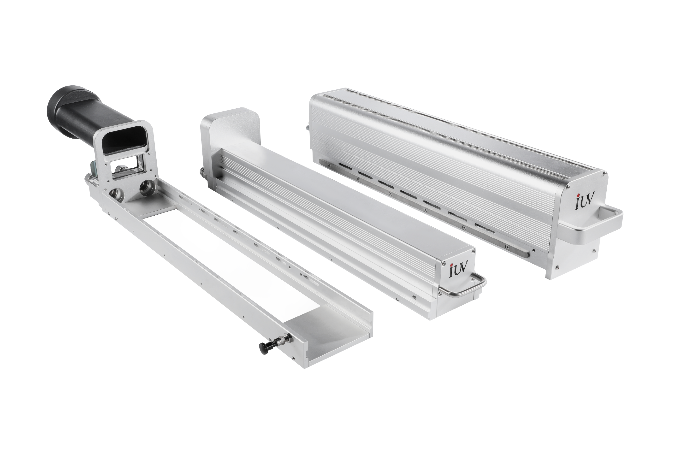
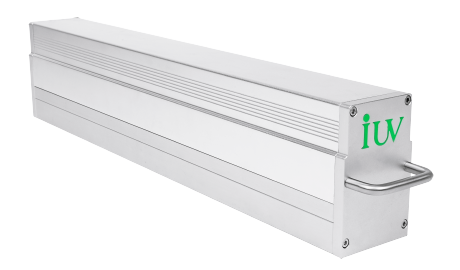
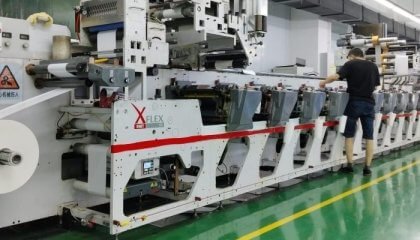
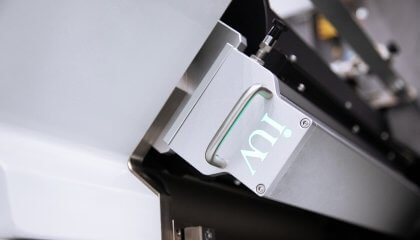
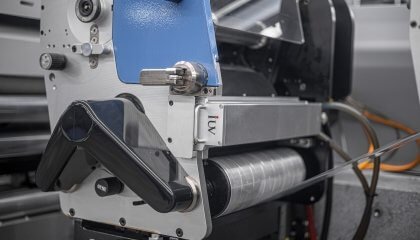
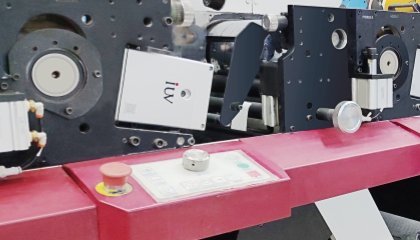
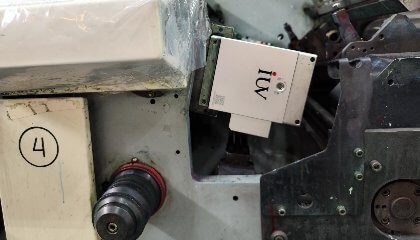
The implementation of LED UV curing technology in narrow-web flexographic and offset presses is relatively straightforward. Modular LED curing units can be retrofitted into existing press lines, or they can be specified as a factory option on new equipment.
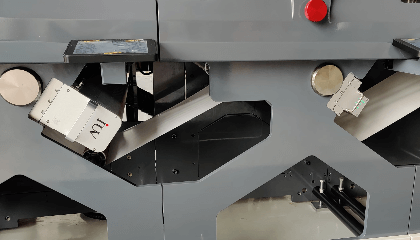
In flexography, LED UV units are typically placed between printing stations, allowing for in-line curing of each color. This is particularly beneficial for metallic inks, as it allows for precise curing after each ink layer is applied, preventing ink trapping issues and ensuring maximum metallic brilliance. For offset printing, LED UV lamps are commonly installed at the end of the press, or in inter-station positions, depending on the press configuration and the desired effects.
The setup and operation of LED UV systems are generally simpler than their mercury lamp predecessors. They require less maintenance, have a longer lifespan, and do not require the warm-up and cool-down periods associated with mercury lamps, leading to increased press uptime and productivity.
The Future of Premium Label Finishes
As brands continue to push the boundaries of label design and packaging aesthetics, the role of advanced curing technology will only grow in importance. LED UV curing offers a powerful, efficient, and versatile solution for achieving the intricate and eye-catching effects demanded by the premium label market. Its ability to precisely control the curing process, minimize heat, and provide uniform energy distribution makes it the ideal partner for printing with metallic and a wide spectrum of specialty inks. This technology is not just about faster drying; it’s about unlocking new levels of visual and tactile appeal, helping brands create labels that truly captivate and convert.