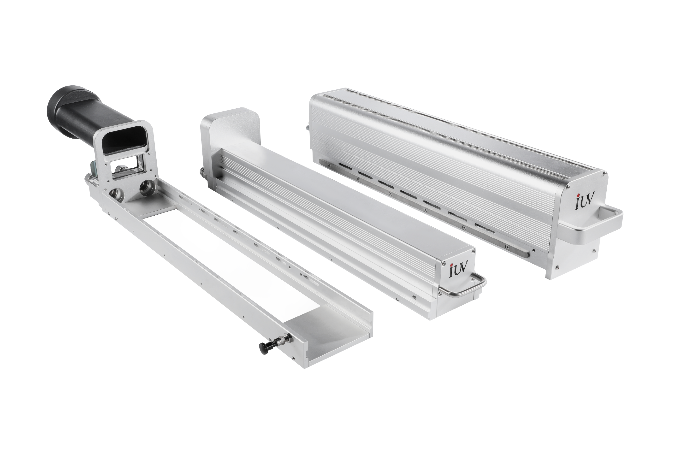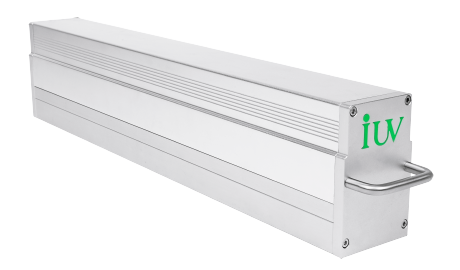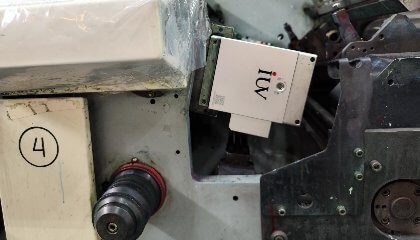
LED curing systems are revolutionizing commercial printing. They offer a faster, cleaner, and more cost-effective way to achieve high-quality results. This technology is particularly transformative for narrow web printing, label printing, flexographic printing, and offset printing. Let’s dive into why.
Traditional UV curing methods often rely on mercury vapor lamps. These lamps consume significant energy and produce substantial heat. They also contain mercury, posing environmental concerns. Furthermore, mercury lamps have a limited lifespan and require frequent replacement. This leads to increased operational costs and downtime. LED curing systems present a compelling alternative.
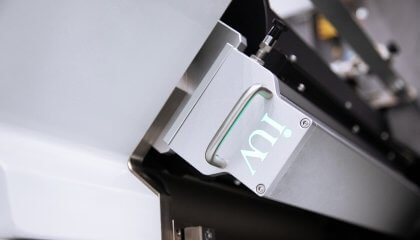
LEDs, or Light Emitting Diodes, offer a focused spectrum of UV light. This precise wavelength allows for highly efficient curing. The energy consumption is dramatically lower compared to mercury lamps. This translates directly into savings on electricity bills for printing businesses. The reduced heat output also benefits the printing process. It prevents heat-sensitive substrates from deforming. This expands the range of materials that can be printed upon.
The lifespan of LED lamps is another significant advantage. They can last for tens of thousands of hours, far exceeding the operational life of mercury lamps. This drastically reduces maintenance costs and the frequency of lamp replacements. The instant on/off capability of LEDs also means no warm-up time is needed. This boosts productivity and allows for faster job changeovers.
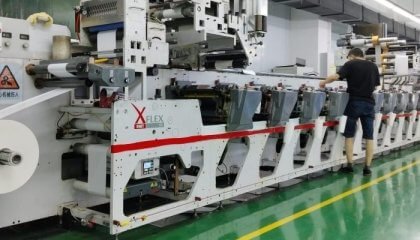
In narrow web printing, where speed and efficiency are paramount, LED curing is a game-changer. Label printing, a major segment of narrow web, benefits immensely. High-speed presses can achieve instant curing of inks and coatings. This allows for immediate rewinding and finishing of labels. Think of the increased throughput. This means more labels printed in less time. The precise control over UV output ensures consistent quality across long print runs.
Flexographic printing, widely used for packaging and labels, also sees major improvements with LED technology. The lower heat input is ideal for delicate substrates often used in food packaging. It helps maintain the integrity of the material. LED curing enables faster press speeds without compromising ink adhesion. This is crucial for meeting demanding production schedules. The reduced ozone production, a byproduct of mercury lamps, also contributes to a cleaner and safer working environment in flexo shops.
Offset printing, while traditionally using heatset or conventional UV, is also adopting LED curing. For sheetfed offset, LED systems can provide instant curing, eliminating the need for long drying tunnels. This saves valuable floor space in print facilities. It also allows for immediate post-press operations like cutting, folding, or stacking. The ability to print on a wider variety of non-absorbent substrates, like plastics and foils, is a significant advantage for offset printers looking to diversify their offerings.
The environmental benefits of LED curing are undeniable. The absence of mercury eliminates hazardous waste disposal issues. The lower energy consumption reduces the carbon footprint of printing operations. This aligns with the growing demand for sustainable printing practices. Many businesses are actively seeking eco-friendly suppliers. Adopting LED curing can be a strong selling point.
Cost-effectiveness is a major driver for adopting new printing technologies. While the initial investment in LED curing systems might seem higher, the long-term savings are substantial. Reduced energy costs, lower maintenance expenses, and increased productivity all contribute to a faster return on investment. The ability to run at higher speeds and handle a wider range of jobs also opens up new revenue streams.
The quality of print achieved with LED curing is often superior. The focused UV spectrum leads to excellent ink and coating adhesion. It provides high gloss finishes and superior scratch resistance. The reduced heat prevents ink trapping issues that can occur with thermal curing methods. This results in sharper images and crisper text.
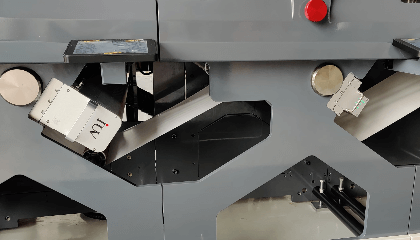
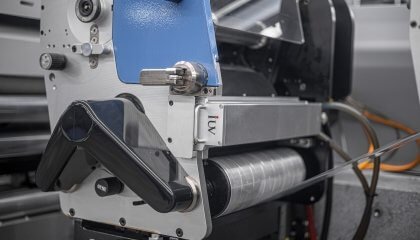
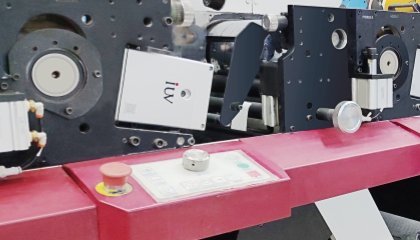
The implementation of LED curing systems requires careful consideration. The specific wavelength of the LEDs needs to match the photoinitiators in the inks and coatings being used. Manufacturers offer a range of LED systems with different wavelength outputs to cater to various applications. Compatibility with existing press equipment is also a key factor. Many press manufacturers now offer presses with integrated LED curing solutions. Retrofitting older presses is also a viable option.
Understanding the advantages of LED curing systems is the first step. Faster production speeds, cleaner processes, and significant cost savings are just the beginning. The technology empowers commercial printers to be more competitive and sustainable. It unlocks new possibilities for product decoration and material handling. Embracing this innovation is key for printers looking to thrive in today’s dynamic market.
The future of printing is undoubtedly linked to advanced curing technologies. LED systems are at the forefront of this evolution. Their efficiency, environmental friendliness, and performance benefits make them an indispensable tool for modern commercial printers. From vibrant labels to durable packaging, LED curing ensures that every print job meets the highest standards of quality and efficiency.
This technology is not just an upgrade; it’s a fundamental shift in how printing is done. It allows for greater flexibility, reduced waste, and improved operational performance. Printers who invest in LED curing are positioning themselves for success. They are ready to meet the evolving demands of their clients and the market. The move to LED is a strategic decision that pays dividends.
The precise control offered by LED curing systems allows for intricate designs and fine details to be rendered flawlessly. This is especially important in high-end label and packaging applications where visual appeal is critical. The consistent energy output ensures that each printed element is cured uniformly, preventing defects and ensuring a professional finish.
Furthermore, the reduced environmental impact is becoming increasingly important. Clients are actively seeking printers who demonstrate a commitment to sustainability. By adopting LED curing, printers can enhance their green credentials and attract environmentally conscious customers. This can provide a significant competitive edge in a crowded marketplace.
The evolution of inks and coatings has also kept pace with LED technology. Formulators have developed a wide array of UV-curable inks and coatings specifically designed for LED curing. These formulations offer excellent adhesion, durability, and visual appeal across a broad spectrum of substrates. This symbiotic relationship between curing systems and consumables drives innovation in the printing industry.
In summary, LED curing systems offer a compelling package of benefits for commercial printing. They are faster, cleaner, and more cost-effective than traditional methods. Their adoption is transforming narrow web, label, flexographic, and offset printing operations. By embracing this technology, printers can improve efficiency, reduce costs, enhance print quality, and contribute to a more sustainable future. The decision to integrate LED curing is a forward-thinking strategy for any printing business aiming for excellence and growth.