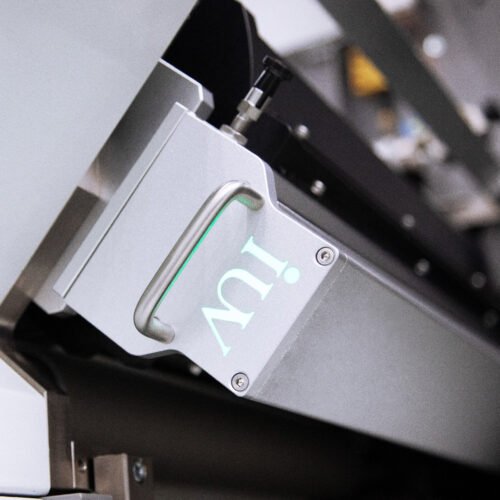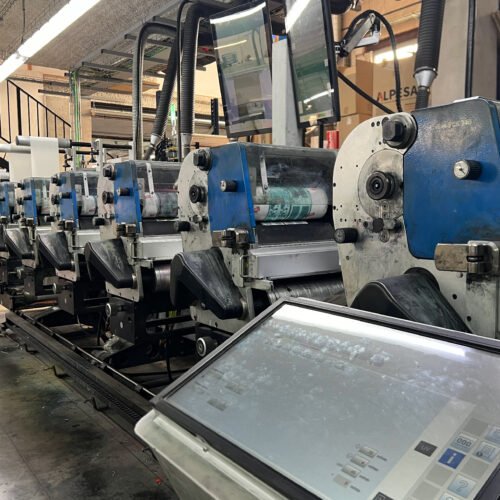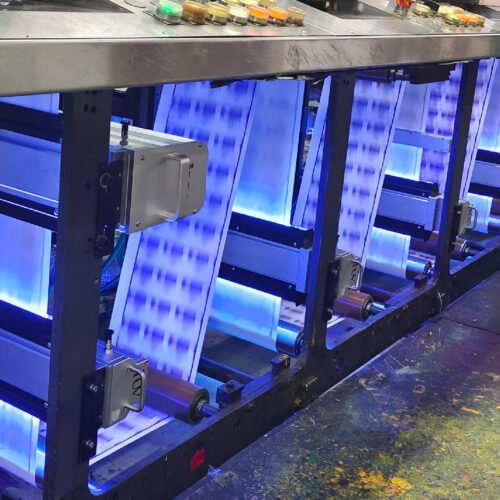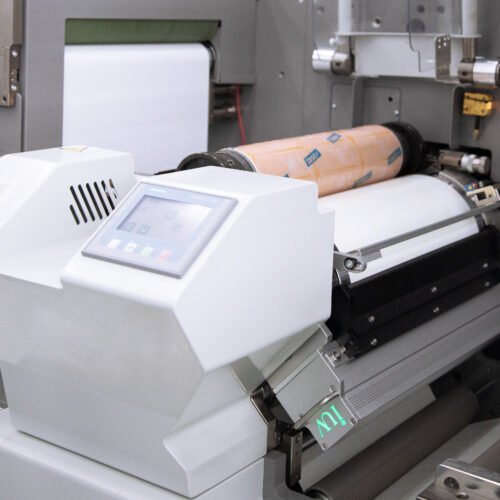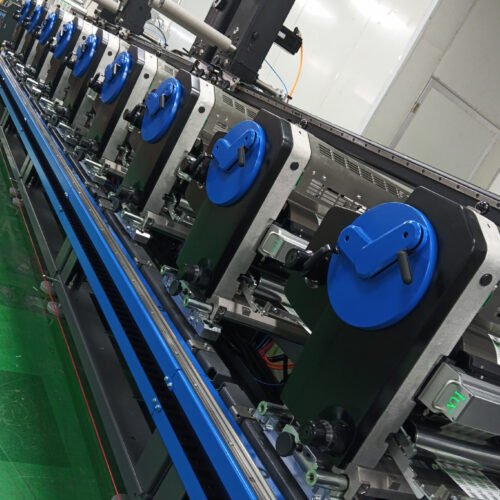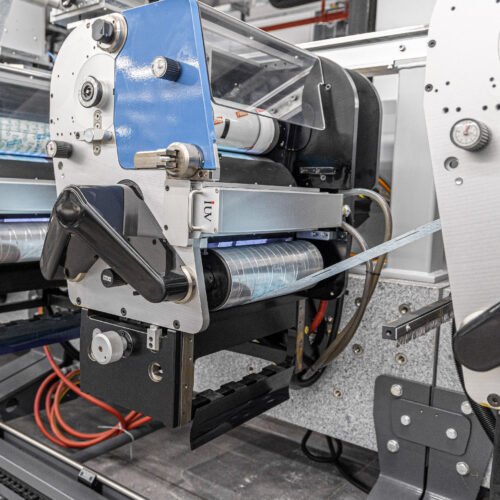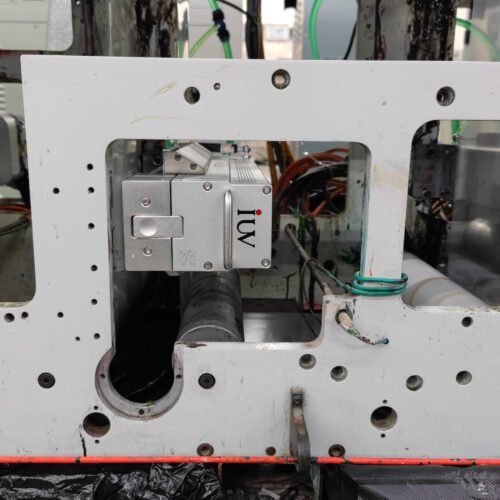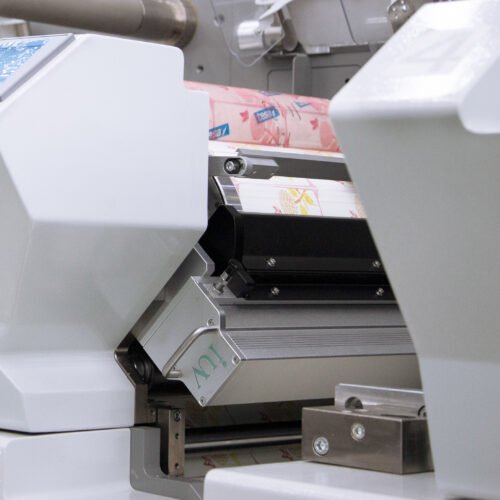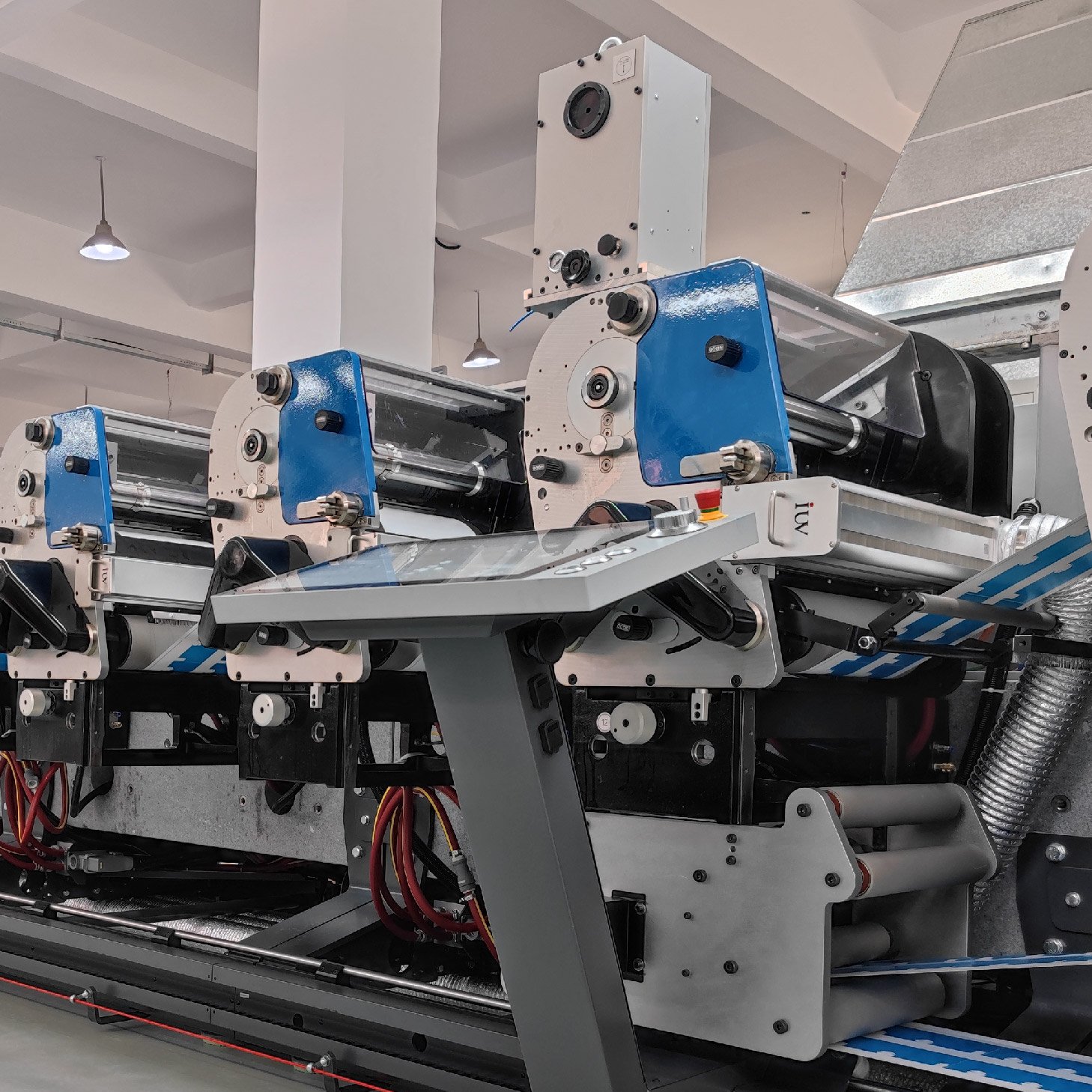
The printing industry has seen significant advancements with the introduction of LED curing systems, particularly in the production of specialty labels. These labels—such as metallic, shrink sleeves, and clear film—demand high-quality printing solutions that ensure both durability and visual appeal. LED UV curing offers several advantages over traditional curing methods, and its benefits are especially evident when applied to narrow-web printing, flexographic printing, and rotary letterpress processes. Understanding the specifics of LED curing technology and how it enhances these types of specialty labels is essential for achieving superior results in today’s competitive market.
Understanding LED UV Curing Technology
LED UV curing uses light-emitting diodes (LEDs) to rapidly cure UV inks during the printing process. Unlike traditional mercury vapor lamps, LED lamps emit a focused spectrum of UV light that directly activates photoinitiators in UV inks. This results in a fast and efficient curing process. The LED curing system offers several key benefits over conventional UV curing, such as lower energy consumption, reduced heat output, and longer lamp life. Furthermore, the ability to cure inks instantly means that printers can produce high-quality prints at faster speeds, leading to improved production efficiency.
In the context of specialty labels, LED UV curing is particularly useful for inks that require quick drying and durability, such as those used in metallic, shrink sleeve, and clear film applications.
Metallic Labels and the Role of LED Curing
Metallic labels are a popular choice in packaging due to their eye-catching appearance and premium feel. They are often used for luxury goods, cosmetics, and beverages, where high visual impact is essential. Achieving the perfect metallic finish requires precise printing techniques and fast curing to preserve the integrity of the metallic pigments.
LED UV curing systems help produce metallic labels by curing inks quickly, preventing issues like smudging or color distortion that can occur with slower curing methods. The high-intensity light from LED lamps ensures that metallic inks adhere perfectly to the substrate, enhancing the brightness and richness of the metallic effect. The use of LED curing also prevents heat damage, which can be critical when printing on sensitive metallic substrates that might warp or discolor under excessive heat.
In addition, LED curing’s faster curing speeds enable increased production rates, allowing manufacturers to meet the high demands of markets that require quick turnaround times without compromising on quality.
Shrink Sleeves and LED UV Curing
Shrink sleeves have become increasingly popular for product packaging due to their flexibility and ability to conform to the shape of the container. They are used for a variety of products, from bottles to cans, and offer a high degree of customization. The printing process for shrink sleeves can be challenging, especially when dealing with complex designs or intricate details that must adhere to a curved or irregular surface.
LED UV curing systems provide several advantages for printing shrink sleeves. Firstly, the rapid curing process reduces the potential for ink smudging or offsetting, which is critical when printing on flexible materials like shrink films. LED UV inks cure quickly on the surface of the shrink sleeve, ensuring that the print remains intact even after the sleeve undergoes the shrinking process in a heat tunnel.
Moreover, LED curing offers the ability to print with high-quality, vibrant inks that stand up well to the physical stresses of shrink film applications, such as stretching and bending. This ensures that the printed design remains crisp and vibrant after the sleeve is applied to the container.
Clear Film Labels and LED Curing
Clear film labels are a staple in the packaging world, often used for products that require a clean and transparent appearance. Whether applied to bottles, food containers, or consumer goods, clear labels offer a sleek, minimalist look while still providing ample space for branding and product information. Printing on clear films presents unique challenges, as the ink must not only adhere well to the substrate but also provide sufficient opacity and color vibrancy, all while maintaining the label’s transparent nature.
LED UV curing systems excel in clear film label production. The technology allows for precise ink curing without overheating the delicate film material. With LED curing, the inks dry quickly and firmly, minimizing the risk of ink migration or peeling, which is a common problem when working with clear substrates. This is particularly important in the production of labels for food and beverage packaging, where high standards of print durability and food safety are required.
Additionally, LED UV curing enables the use of specialty inks, such as spot coatings or matte finishes, which are essential for producing clear labels with high-quality finishes and unique tactile effects. The fast curing times also make it easier to print multiple layers of ink without smudging, ensuring the final product has consistent color and clarity.
Narrow-Web Flexographic Printing for Specialty Labels
Narrow-web flexographic printing is one of the most commonly used methods for producing specialty labels, including metallic, shrink sleeve, and clear film labels. This method uses flexible relief plates to transfer ink to the substrate, which is ideal for printing on non-porous materials like films and foils.
With LED UV curing, narrow-web flexographic printers benefit from faster drying times and lower energy consumption. The quick curing process ensures that ink adheres well to a variety of substrates, including films that may not respond as well to traditional drying methods. Moreover, the flexibility of LED UV inks allows them to stretch and conform to the contours of shrink sleeves or flexible clear films without cracking or losing their vibrancy.
Conclusion
LED UV curing systems have revolutionized the production of specialty labels, providing benefits such as faster curing times, energy efficiency, and higher-quality prints. These advantages are especially significant in applications involving metallic labels, shrink sleeves, and clear films, where precision and durability are paramount. Whether in flexographic, letterpress, or other narrow-web printing methods, LED UV curing offers a solution that not only improves productivity but also enhances the overall print quality. As the demand for high-quality specialty labels continues to grow, LED UV curing will remain at the forefront of printing technology, providing manufacturers with the tools they need to meet the ever-evolving needs of the market.