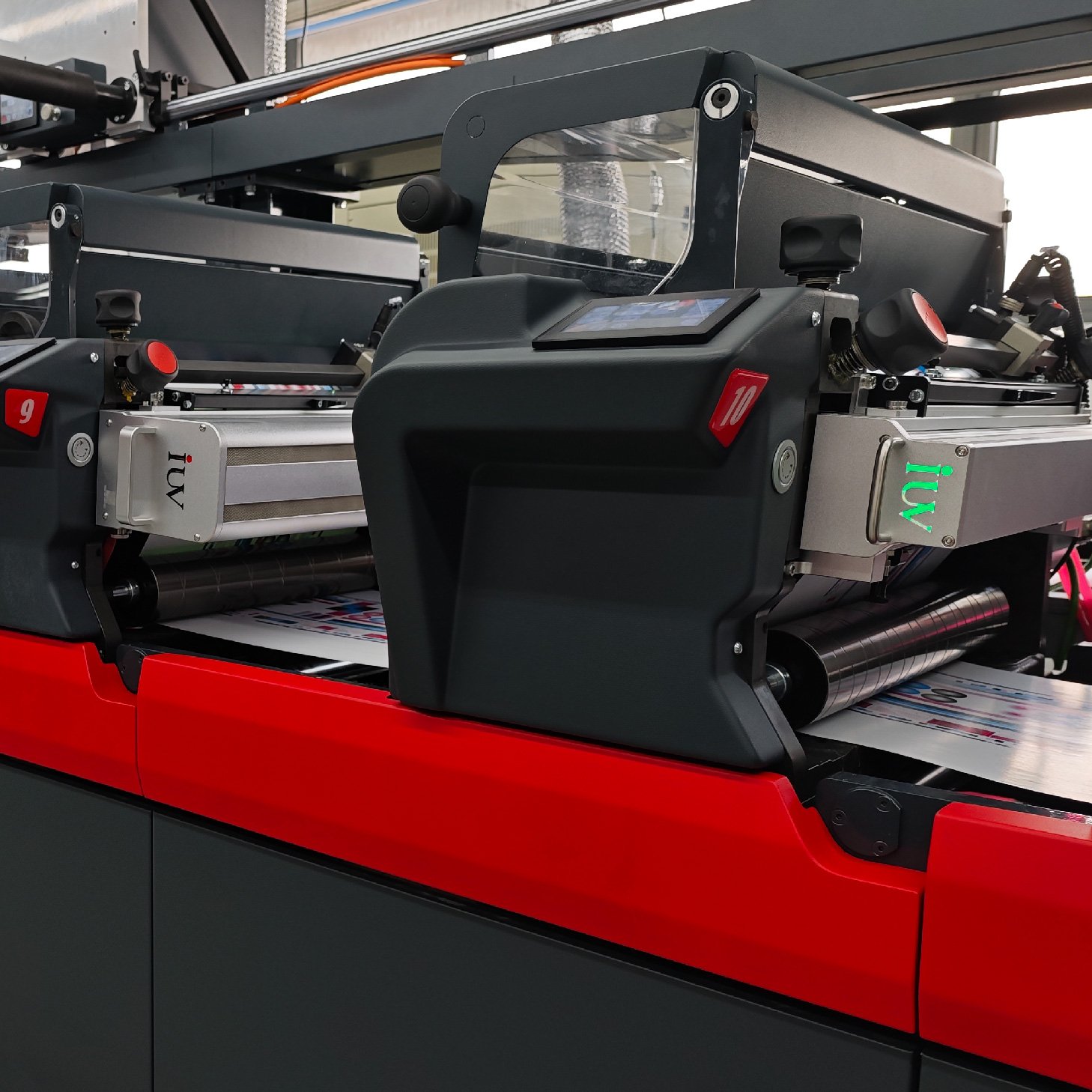
LED Curing Systems for Flexible Substrates: Solving Adhesion Problems in Packaging
Achieving robust adhesion on flexible packaging is a persistent challenge. This is especially true when printing with UV inks and coatings. Fortunately, advancements in LED UV curing technology offer powerful solutions. These systems are transforming how printers handle demanding flexible substrates. They directly address common adhesion issues, leading to higher quality and more durable packaging.
Traditional mercury lamp UV curing systems have limitations. They can generate significant heat. This heat can warp or damage heat-sensitive flexible materials. Furthermore, mercury lamps emit a broad spectrum of light. This can lead to inefficient energy use and uneven curing. LED UV curing technology overcomes these drawbacks. It provides a more controlled and efficient way to cure inks and coatings.
Understanding Adhesion on Flexible Packaging
Adhesion refers to the bond between the ink or coating and the substrate. On flexible packaging, this bond must withstand stretching, bending, and environmental exposure. Several factors influence adhesion. Substrate surface energy is paramount. Low surface energy materials, like many polyolefins (polyethylene, polypropylene), are inherently difficult for inks to adhere to. Proper surface treatment, such as corona or plasma, is often necessary. However, even with treatment, achieving lasting adhesion can be tricky.
Ink and coating formulation plays a vital role. The chemistry of the uncured material must be compatible with the substrate. It also needs to react effectively under UV light. The curing process itself is critical. Incomplete curing leaves uncured monomers and oligomers. These can migrate, affect downstream processes, or compromise the final adhesion. Over-curing can sometimes lead to brittleness, which also impacts flexibility and adhesion.
The Power of LED UV Curing
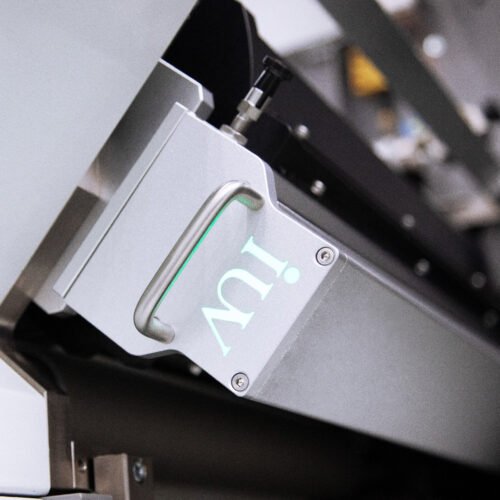
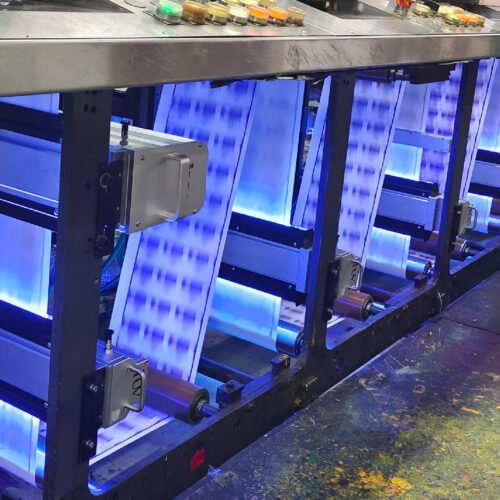
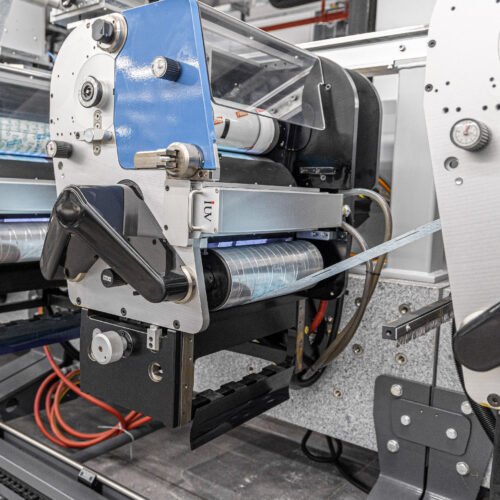
LED UV curing systems utilize light-emitting diodes. These diodes emit specific wavelengths of UV light. This targeted spectrum is precisely matched to the photoinitiators in UV inks and coatings. This results in highly efficient and rapid curing. Unlike mercury lamps, LEDs generate very little heat. This is a significant advantage for heat-sensitive flexible films. Printers can run at higher speeds without risking substrate distortion.
The monochromatic nature of LED light ensures consistent curing. There are no broad spectrum variations to contend with. This means less wasted energy and more predictable results. The instant on/off capability of LEDs also contributes to energy savings. They only consume power when actively curing. This contrasts with mercury lamps, which require warm-up and cool-down periods.
Solving Adhesion Problems with LED Technology
One of the key benefits of LED UV curing for flexible substrates is its ability to achieve thorough and consistent cure. The specific wavelengths emitted by LEDs can penetrate thicker ink layers more effectively. This ensures that photoinitiators throughout the ink film are activated. Proper curing is fundamental to strong adhesion. When inks and coatings cure completely, they form a solid, cross-linked film. This film bonds tightly to the substrate.
LEDs allow for precise control over UV intensity and exposure time. This fine-tuning is crucial for optimizing the curing process. Printers can tailor parameters to specific inks, substrates, and press speeds. This precision helps prevent under-curing, a common culprit of poor adhesion. It also helps avoid over-curing, which can make the ink film brittle and prone to cracking when the substrate flexes.
Applications in Narrow Web Printing and Beyond
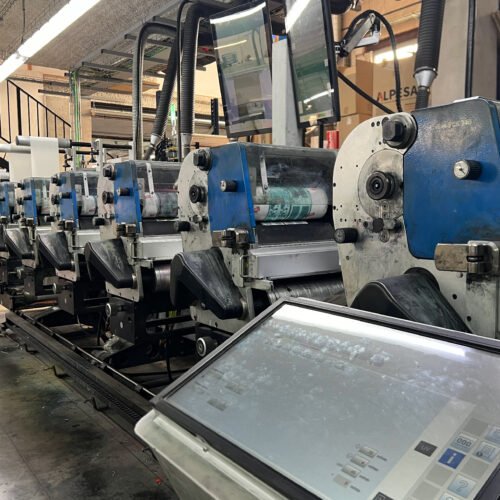
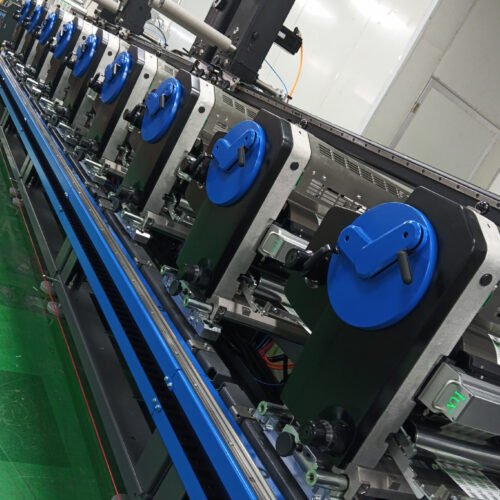
Narrow web printing is a dominant force in label and flexible packaging production. This sector heavily relies on flexographic (flexo) and offset (lithographic) printing. Both processes benefit immensely from LED UV curing.
In flexographic printing, inks are transferred via a raised image plate. Achieving sharp details and vibrant colors on flexible films is essential. LED curing ensures that inks cure quickly on the press. This allows for immediate handling and further processing. It prevents ink rub-off and smudging, which are common issues with less efficient curing methods. The reduced heat from LEDs also preserves the integrity of the anilox rolls and printing plates.
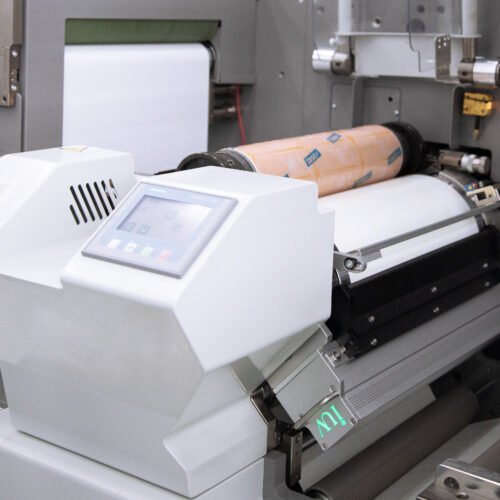
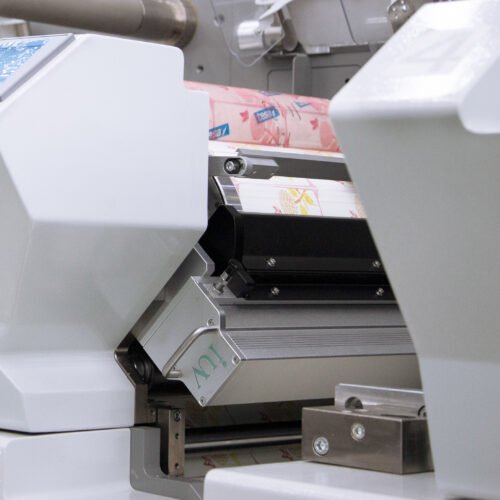
Offset printing, particularly for packaging, also sees advantages. While traditionally known for sheetfed applications, web offset is used for specific packaging runs. LED UV curing in offset allows for faster turnaround times. It enables immediate stacking or finishing of printed materials. This is vital in the fast-paced packaging industry.
Ink and Coating Considerations
When transitioning to LED UV curing, choosing the right inks and coatings is important. Modern UV ink and coating formulations are designed to work with specific LED wavelengths. These formulations contain photoinitiators that are highly sensitive to the light emitted by LEDs. This ensures maximum cure efficiency.
Printers should consult with ink manufacturers. They can help select the optimal products for their specific application and LED curing system. Using inks and coatings specifically developed for LED curing will yield the best adhesion results. These formulations are engineered for rapid polymerization under LED light. They minimize the presence of residual uncured components. This directly contributes to improved adhesion and overall package performance.
Benefits for the Packaging Converter
For packaging converters, implementing LED UV curing systems means several tangible benefits. Reduced energy consumption translates to lower operating costs. The longer lifespan of LED lamps compared to mercury lamps also lowers maintenance and replacement expenses.
The enhanced adhesion and print quality lead to fewer rejected jobs. This boosts profitability and customer satisfaction. The ability to print on a wider range of flexible substrates, including those with challenging surfaces, opens up new market opportunities. The environmental advantages are also noteworthy. LEDs are mercury-free, making them a more eco-friendly choice.
In summary, LED UV curing systems represent a significant technological leap. They provide an effective solution for adhesion problems on flexible packaging. By offering controlled, efficient, and low-heat curing, LEDs empower printers. They enable the production of high-quality, durable, and visually appealing flexible packaging. This technology is setting a new standard in the industry.