<!-- Meta Pixel Code --> <!-- 结束元像素代码 -->

Intelligent UV Automation: Enhancing Print Accuracy and Curing Efficiency in Narrow-Web Production

Intelligent UV Automation Enhancing Print Accuracy and Curing Efficiency in Narrow-Web Production

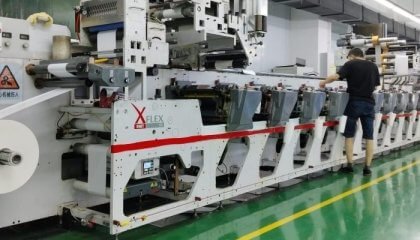
The landscape of narrow-web printing is constantly evolving. Labels and flexible packaging demand higher quality, faster turnaround times, and greater cost-effectiveness. Achieving these goals often hinges on optimizing the curing process. This is where intelligent UV automation steps in, promising to revolutionize print accuracy and curing efficiency.

The Precision Challenge in Narrow-Web Printing

Narrow-web printing, prevalent in label and flexible packaging production, operates under tight tolerances. Even minor deviations in ink laydown or curing can lead to significant quality issues. Dot gain, color shifts, and incomplete ink coverage are common concerns. These problems are amplified when dealing with high-speed presses and intricate designs.

Flexographic and offset printing processes, widely used in narrow-web applications, rely on precise ink transfer. In flexo, the anilox roll and printing plate work in tandem. In offset, the blanket transfers ink from the plate to the substrate. Any inconsistency in these steps, combined with suboptimal curing, can result in print defects. For instance, insufficient UV curing can lead to smudging, poor rub resistance, and adhesion problems. Conversely, over-curing can cause substrate degradation or excessive heat buildup.

Understanding LED UV Curing Technology

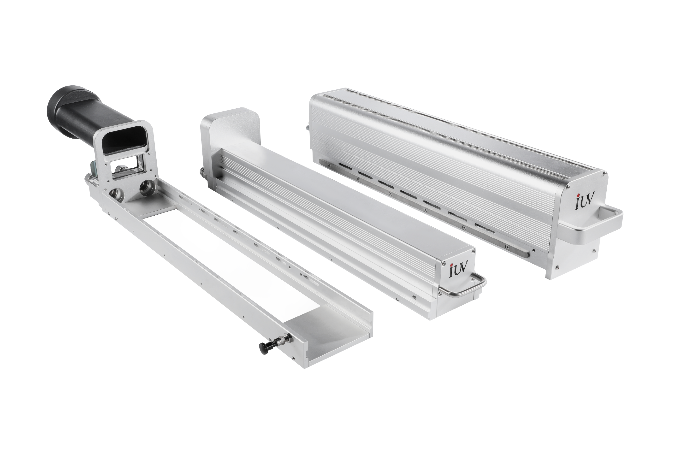
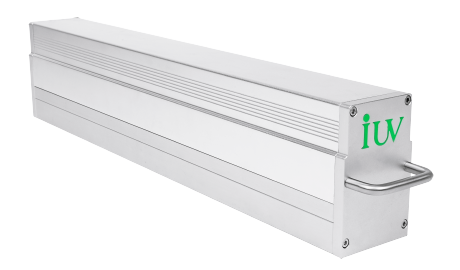
UV curing uses ultraviolet light to instantly solidify inks, coatings, and adhesives. Traditional mercury arc lamps have been the standard for decades. However, Light Emitting Diode (LED) UV technology offers a compelling alternative. LED UV systems emit light at specific wavelengths, tailored to the photoinitiators within the UV-curable material.

The advantages of LED UV are numerous. They consume less energy than mercury lamps, have a much longer lifespan, and generate less heat. This reduced heat is particularly beneficial for heat-sensitive substrates common in narrow-web printing, such as thin films and some papers. Furthermore, LED UV lamps achieve full cure rapidly, often in fractions of a second, contributing to higher press speeds.

The Need for Intelligent Automation

While LED UV technology itself is advanced, its true potential is unlocked through intelligent automation. Manual control over UV curing systems can be inconsistent. Variations in lamp power, distance from the substrate, and exposure time can occur, especially across long print runs or when changing jobs. This variability directly impacts print quality and production efficiency.

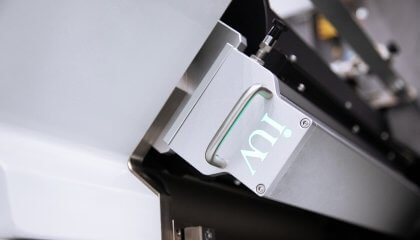
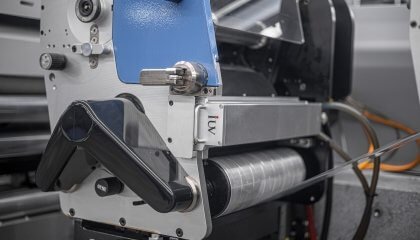
Intelligent UV automation integrates advanced sensors and control systems with the UV curing units. These systems can monitor and adjust curing parameters in real-time, ensuring optimal performance. This level of control is crucial for maintaining consistent results, reducing waste, and maximizing press uptime.

Enhancing Print Accuracy with Smart Curing

Print accuracy in narrow-web applications is paramount. This includes maintaining sharp details, consistent color, and proper ink density. Intelligent UV automation contributes to this in several ways:

  • Precise Wavelength Control: LED UV systems can be precisely tuned to specific wavelengths. This ensures that the photoinitiators in the ink are activated efficiently and uniformly, leading to a complete and consistent cure. This avoids issues like under-curing, which can result in poor print definition, or over-curing, which might alter ink properties.
  • Optimized Energy Delivery: Automated systems can precisely control the energy output of the UV lamps. This means delivering the exact amount of UV energy required for the specific ink and substrate combination. This prevents uneven curing across the web width or along the print length, which can cause optical inconsistencies.
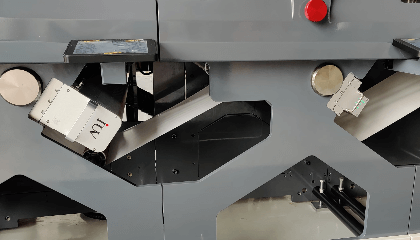
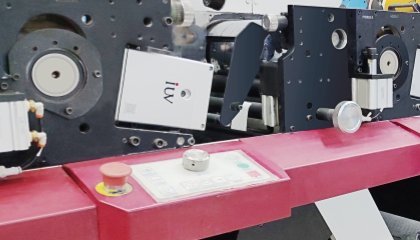
  • Consistent Curing Across the Web: Modern narrow-web presses often have multiple UV curing units. Intelligent automation ensures that each unit operates at peak performance and delivers consistent cure across the entire width of the web. This is vital for multi-color jobs where each ink station needs to be cured effectively.
  • Reduced Thermal Impact: As mentioned, LED UV systems generate less heat than traditional lamps. Intelligent automation further refines this by controlling the intensity and duration of UV exposure. This minimizes thermal stress on the substrate, preventing distortion or shrinkage that could affect registration and overall print accuracy.
  • Real-time Monitoring and Feedback: Integrated sensors can monitor factors like lamp temperature, UV irradiance, and even substrate temperature. This data is fed back into the control system, allowing for immediate adjustments. If the system detects a deviation, it can automatically compensate, ensuring that the cure remains optimal.

Boosting Curing Efficiency in Production

Efficiency in narrow-web printing translates to higher throughput, reduced waste, and lower operating costs. Intelligent UV automation significantly enhances curing efficiency:

  • Faster Curing Speeds: By precisely controlling the UV output, intelligent systems can achieve optimal cure in the shortest possible time. This allows presses to run at their maximum mechanical speeds without compromising cure quality, directly increasing production output.
  • Reduced Setup Times: Automated systems often feature job memory functions. Pre-programmed curing profiles for specific inks, substrates, and press speeds can be recalled instantly. This dramatically reduces the time spent on manual adjustments and testing when switching between jobs, leading to faster changeovers.
  • Minimized Waste and Rework: Consistent and reliable curing minimizes the occurrence of defects. This means fewer rejected labels or packaging materials, less material waste, and reduced need for costly rework. The financial impact of this waste reduction can be substantial.
  • Lower Energy Consumption: LED UV systems are inherently more energy-efficient than mercury lamps. Intelligent automation further optimizes this by only delivering the necessary UV energy. When the press is stopped or the UV units are not needed for a particular section, they can be automatically turned off or reduced to standby power, saving significant energy.
  • Extended Lamp Life and Reduced Maintenance: LED UV lamps have a much longer operational life than mercury lamps. Intelligent automation helps manage their performance and usage, contributing to their longevity. This translates to fewer lamp replacements and reduced maintenance downtime, further improving overall equipment effectiveness (OEE).
  • On-Demand Curing: Some advanced systems allow for on-demand curing. This means the UV lamps are only active when the substrate is precisely positioned beneath them. This is particularly useful in intermittent printing processes or when running shorter print runs where stopping and starting are frequent.

Applications in Flexographic and Offset Narrow-Web

Both flexographic and offset printing benefit immensely from intelligent UV automation.

Flexographic Printing: In flexo, precise ink transfer is key. If UV curing is inconsistent, the thick ink laydown typical of flexo can lead to curing issues. Intelligent UV automation ensures that even heavy ink films are fully cured, maintaining their opacity, gloss, and resistance properties. It also helps prevent issues like ink trapping problems where uncured ink from one station affects the ink laydown of the next.

Offset Printing: Narrow-web offset often requires very fine detail and precise registration. Inconsistent curing can lead to ink dot gain variations or poor adhesion on certain substrates. Smart UV systems ensure that the thin ink films used in offset are cured uniformly, preserving image fidelity and ensuring durability. The reduced heat from LED UV is also advantageous for offset, which can sometimes put more stress on substrates.

The Future is Automated and Intelligent

The drive for higher quality, faster speeds, and greater sustainability in narrow-web printing makes intelligent UV automation not just a desirable upgrade, but a necessary evolution. By integrating smart control with efficient LED UV technology, printers can achieve unprecedented levels of print accuracy and curing efficiency.

This technology empowers label and packaging converters to meet the increasingly demanding specifications of brand owners. It allows them to reduce operational costs, minimize environmental impact, and gain a competitive edge in a challenging market. As the printing industry continues to embrace digital integration and automation, intelligent UV curing stands out as a critical component for success.

Contact IUV Curing Experts

滚动至顶部