The quest for enhanced print quality, increased efficiency, and reduced waste is a constant in the modern printing environment. For label and narrow web printers, these demands are particularly acute. Two pivotal technologies offering solutions are LED UV curing systems and inline quality inspection units. Bringing these together creates a powerful synergy, optimizing production workflows and elevating the final product.
The Rise of LED UV Curing in Printing
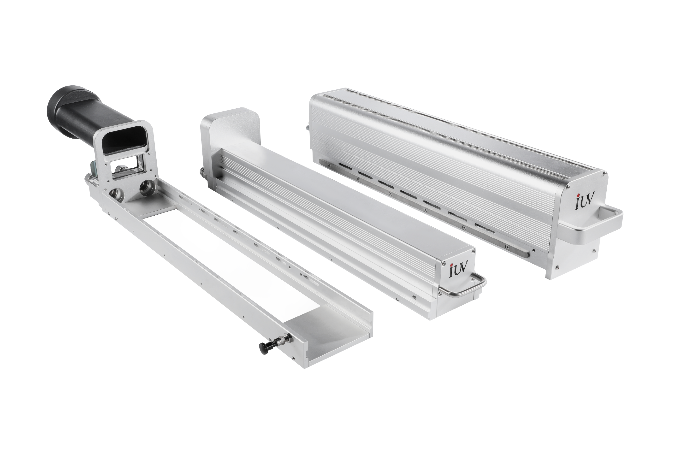
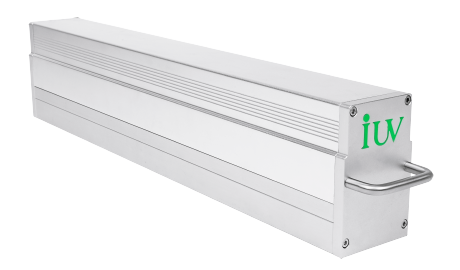
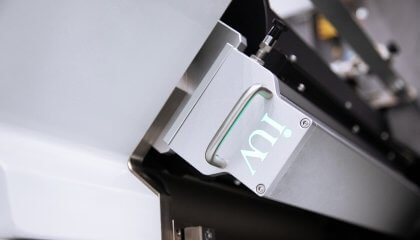
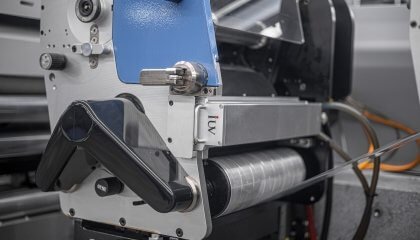
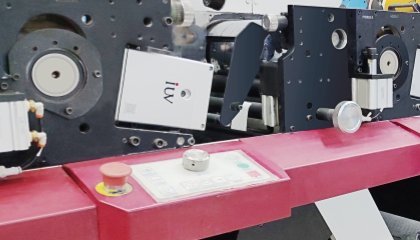
Traditional UV curing methods often relied on mercury lamps. While effective, these systems generated significant heat, consumed considerable energy, and had a finite lifespan. The advent of LED UV curing has revolutionized this landscape. LEDs offer a more targeted and energy-efficient light source, emitting specific wavelengths that initiate the photo-polymerization process in UV-curable inks and coatings.
The benefits of LED UV curing are numerous. They operate at lower temperatures, which is crucial for heat-sensitive substrates common in label printing. Their energy consumption is drastically lower than mercury lamps, leading to significant cost savings. Furthermore, LED systems boast an exceptionally long operational life, reducing downtime associated with lamp replacements. The instant on/off capability also contributes to efficiency, eliminating warm-up times.
Understanding Inline Quality Inspection
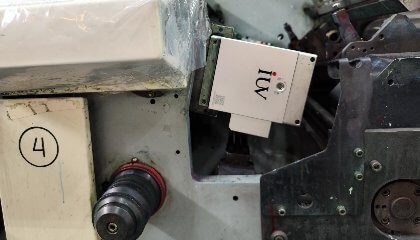
Inline quality inspection units are sophisticated systems that monitor print quality in real-time as the job runs. These units typically employ high-resolution cameras and advanced image processing software. They are designed to detect a wide range of defects, including color variations, misregistration, spots, hickeys, voids, and ink streaks.
The primary advantage of inline inspection is its proactive approach to quality control. Instead of relying on manual checks that occur after a batch of printing, these systems identify issues immediately. This allows operators to halt the press or make adjustments before significant amounts of waste are produced. The data generated by these systems can also be invaluable for process analysis and continuous improvement.
The Synergy: Integrating LED UV and Inline Inspection
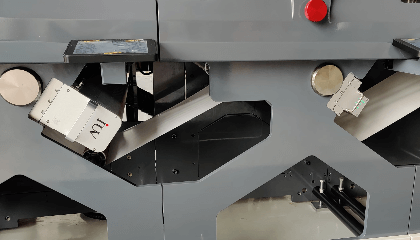
The integration of LED UV curing systems with inline quality inspection units presents a compelling proposition for label, flexographic, and offset printers. This combination creates a closed-loop system where curing and inspection are not sequential but interconnected.
When an inline inspection unit detects a defect, it can trigger immediate actions. In a system equipped with LED UV curing, this trigger can be programmed to control the UV lamps. For instance, if a defect is identified, the system could momentarily reduce or even switch off the LED UV output in the affected area or for the entire run until the issue is resolved. This prevents unnecessary curing of potentially defective print, saving ink and energy, and avoiding the need to dispose of fully cured but flawed material.
Conversely, the LED UV curing system’s performance directly impacts the effectiveness of the inline inspection. Consistent and uniform curing ensures that the ink or coating has reached its final state reliably. Inconsistent curing can lead to variations in color or finish that might be misinterpreted as defects by the inspection system, leading to false positives. Therefore, the stability and precision of the LED UV system are paramount.
Applications in Key Printing Processes
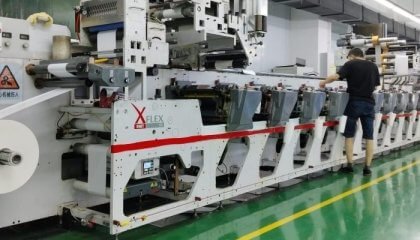
Narrow Web Printing: This sector, encompassing labels and flexible packaging, benefits immensely. Narrow web presses often run at high speeds, making manual quality control challenging. Integrating LED UV curing with inline inspection ensures that each label is not only perfectly cured but also flawlessly printed before it moves to the next stage. This is critical for brand integrity and consumer safety.
Flexographic Printing: Flexo is a dominant force in label and packaging. The ability of LED UV curing to handle a wide range of substrates, including sensitive films and foils, is a significant advantage. When coupled with inline inspection, flexo printers can achieve unparalleled consistency. The inspection system can verify precise ink laydown and color matching, while the LED UV ensures rapid and thorough curing, maintaining the integrity of fine details and solid areas.
Offset Printing (Sheetfed and Web): While traditionally associated with different curing methods, offset printing is increasingly adopting UV technology, especially for high-quality packaging and specialty applications. Integrating LED UV curing with inline inspection in offset workflows allows for immediate detection of print anomalies that might occur due to plate issues, ink density fluctuations, or substrate variations. The rapid curing capability of LEDs also means faster job turnaround times, a key differentiator in competitive markets.
Practical Considerations for Integration
Implementing this integrated solution requires careful planning.
- System Compatibility: Ensure that the chosen LED UV curing system and the inline inspection unit can communicate effectively. Modern systems often offer APIs or standard protocols for seamless integration.
- Wavelength and Power: The LED UV system’s wavelength output must be appropriate for the inks and coatings being used. The power density needs to be sufficient for rapid and complete curing at the press speed. The inspection system’s capabilities must align with the types of defects you anticipate.
- Placement: The relative positioning of the LED UV curing lamps and the inspection cameras is crucial. The inspection should ideally occur immediately after curing to assess the final state, or strategically placed to capture critical print elements before or during curing.
- Software and Automation: The software controlling the integrated system should be user-friendly and allow for customizable defect thresholds and automated responses. This might include automatic press stops, alerts to operators, or even automatic rejection of the printed web.
- Substrate Handling: Consider how the different curing and inspection units might affect substrate tension and handling, especially for thin or delicate materials.
Enhancing Efficiency and Reducing Waste
The primary driver for integrating LED UV curing with inline quality inspection is the significant reduction in waste. By catching defects the moment they occur, printers avoid producing entire rolls of printed material that is unsalvageable. This translates directly into:
- Reduced Material Costs: Less wasted ink, coating, and substrate.
- Lower Energy Consumption: Efficient LED curing and avoiding unnecessary cycles.
- Minimized Downtime: Faster issue identification means quicker resolution.
- Improved Throughput: Consistent quality and fewer stops lead to higher production speeds.
- Enhanced Customer Satisfaction: Delivering defect-free products reliably.
The Future of Print Quality Assurance
The trend towards greater automation and data-driven decision-making in printing is undeniable. The integration of LED UV curing and inline quality inspection is a prime example of this evolution. It moves beyond simply “curing” and “inspecting” to creating an intelligent system that actively manages quality throughout the production process.
As printing technology advances, we can expect these integrated solutions to become even more sophisticated, incorporating artificial intelligence and machine learning for predictive quality control. For label printers, flexographers, and offset specialists seeking to maintain a competitive edge, embracing this synergistic approach is not just an option—it’s a strategic imperative for achieving superior print quality, operational excellence, and sustainable production.