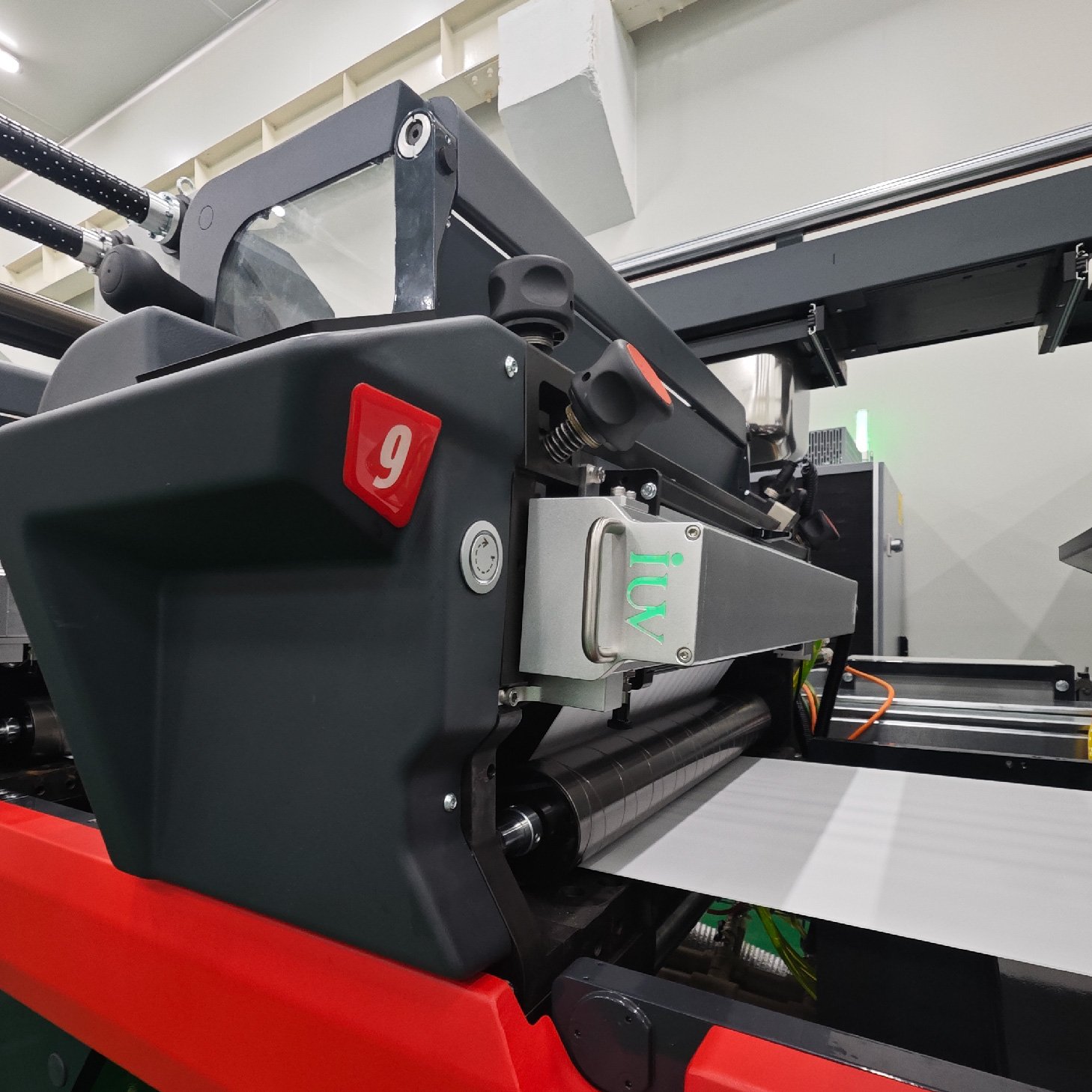
Modernize Your Flexo Press with LED Curing Technology
Is your narrow web flexo press ready for a significant upgrade? Integrating LED curing systems offers a powerful path to enhanced efficiency and superior print quality. This guide walks you through the process, making it accessible for label printers looking to adopt cutting-edge UV curing technology. Let’s explore how this transition can transform your operations.
Understanding LED UV Curing
UV curing uses ultraviolet light to instantly dry inks, coatings, and adhesives. Traditional UV systems often employ mercury lamps. LED UV curing, however, utilizes light-emitting diodes. These diodes offer a more energy-efficient and environmentally friendly alternative. They also provide a more consistent and controllable light output. This precision is key for achieving the best results in flexographic printing.
LEDs emit a specific wavelength of UV light. This means you need inks and coatings formulated to cure under these precise wavelengths. This is a critical consideration for any label printing business. The spectral output of LEDs is narrow, unlike the broad spectrum of mercury lamps. This specificity ensures efficient energy transfer and faster curing times.
Why Choose LED Curing for Flexo Presses?
The benefits of LED curing for flexographic printing are substantial. Firstly, energy savings are significant. LEDs consume far less power than mercury lamps. This translates directly into lower operating costs for your printing business. Think about the impact on your monthly utility bills.
Secondly, LED systems have a much longer lifespan. Mercury lamps need frequent replacement, adding to maintenance costs and downtime. LEDs can last for tens of thousands of hours. This drastically reduces the need for lamp changes and associated expenses. A longer lifespan means more uptime for your flexo press.
Thirdly, LED curing offers improved print quality. The consistent and uniform light output from LEDs minimizes variations across the printed substrate. This leads to sharper details, more vibrant colors, and better ink adhesion. For label printing, where visual appeal is paramount, this is a game-changer.
Furthermore, LED systems generate less heat. This is a major advantage, especially when printing on heat-sensitive materials like thin films or certain plastics. Reduced heat means less substrate distortion and fewer printing defects. Your press can run cooler and more reliably.
The Step-by-Step Integration Guide
Integrating LED curing systems into your existing flexo press requires careful planning. Here’s a breakdown of the key steps.
Step 1: Assess Your Existing Flexo Press
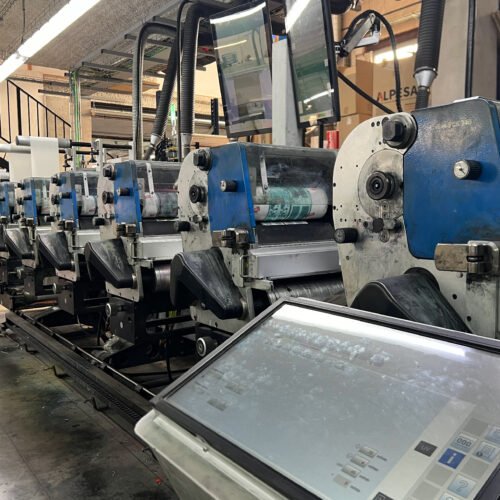
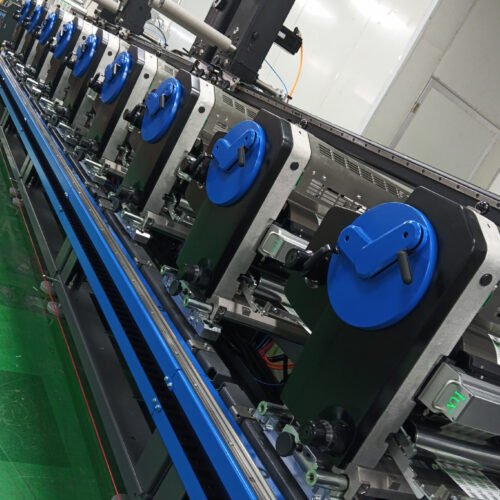
Before you begin, thoroughly evaluate your current flexographic press. Consider its physical space, power capabilities, and ventilation. You need to determine where the LED units will be mounted. Will they fit comfortably between print stations or at the end of the press? Ensure there is adequate room for the necessary power supplies and control units.
Check the electrical infrastructure of your press. LED systems require a stable and sufficient power supply. You might need an electrical upgrade to support the new curing units. Consult with an electrician if you are unsure about your press’s current capacity. Understanding these limitations early prevents costly surprises later.
Step 2: Select the Right LED Curing System
Choosing the correct LED system is paramount. Consider the wavelength of the LEDs. Common wavelengths for UV curing are 365nm, 395nm, and 405nm. Your ink and coating suppliers will advise on the best wavelength for their products. Ensure the LED system you choose matches these specifications.
Think about the power density required. This refers to the intensity of the UV light emitted. It directly impacts curing speed. Higher power density generally allows for faster press speeds. However, it also generates more heat, so a balance is often needed. Discuss your production requirements with the LED system manufacturer.
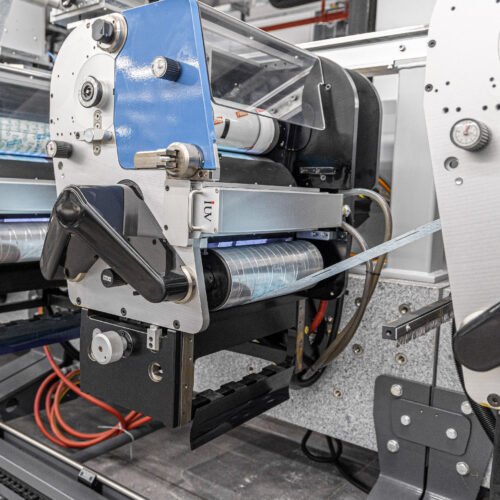
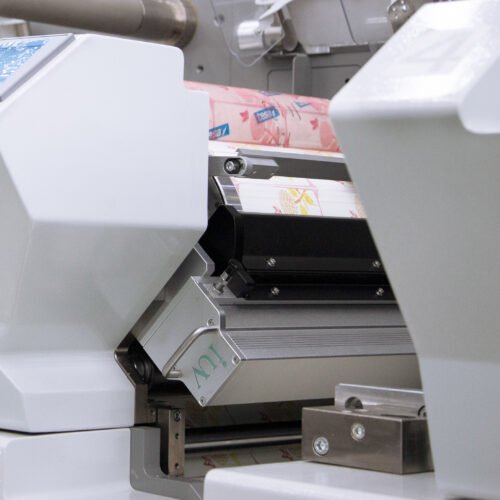
Consider the size and configuration of the LED units. They come in various widths to match your press. You’ll need to decide on the number of curing units required. Typically, you’ll need at least one unit after the last print station. Additional units might be necessary for overprint varnishes or special effects.
Step 3: Ink and Coating Compatibility
This is a critical step for label printing success. You cannot use traditional UV inks and coatings with LED curing systems. You must switch to LED-curable formulations. Work closely with your ink and coating suppliers. They will provide you with compatible products designed for the specific wavelengths of your chosen LED system.
These specialized inks and coatings are formulated to react efficiently under the narrow spectrum of LED light. Ask your suppliers for samples and conduct thorough print trials. Test for adhesion, scratch resistance, color vibrancy, and overall print quality. This testing phase is non-negotiable for ensuring consistent results.
Step 4: Installation and Retrofitting
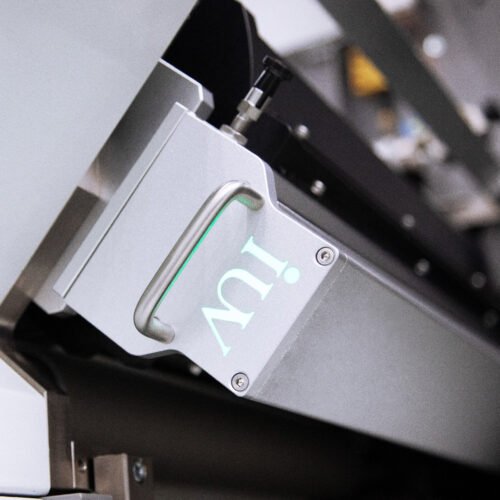
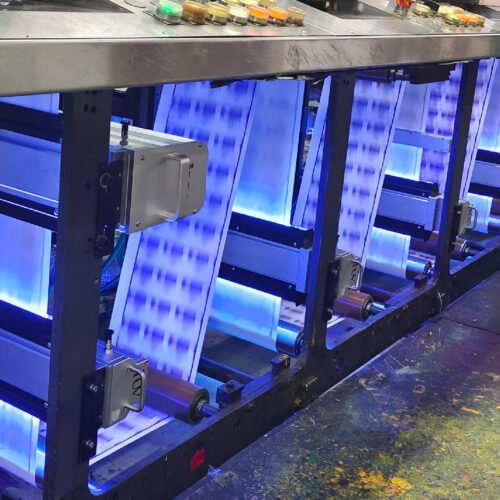
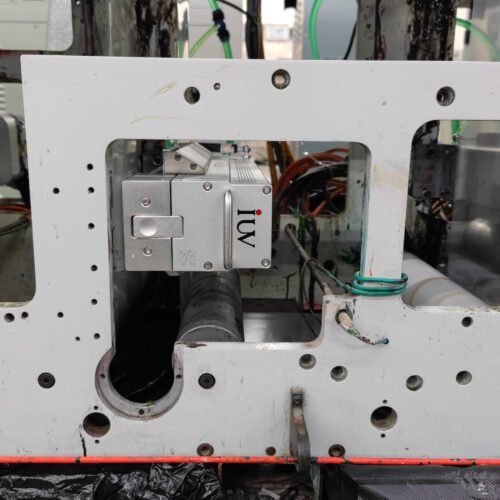
The actual installation of the LED curing system involves mounting the units onto your flexo press. This often requires custom brackets or modifications to the press frame. Professional installation is highly recommended to ensure proper alignment and secure mounting. Incorrect placement can lead to uneven curing or damage to the press.
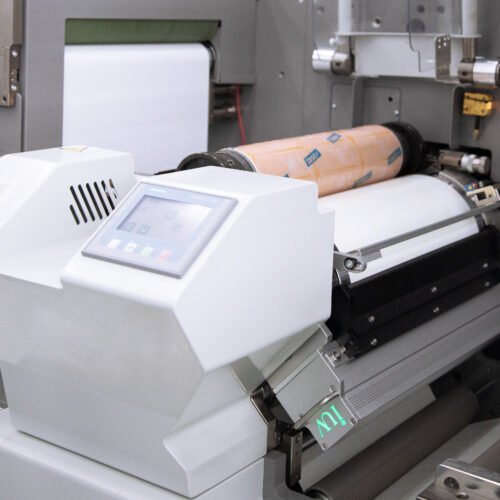
Connect the LED units to their power supplies and control systems. The controls allow you to manage the intensity, on/off cycles, and other parameters of the curing process. Ensure these controls are integrated seamlessly with your press’s operation. Proper wiring and connections are essential for safety and performance.
Step 5: Testing and Optimization
Once installed, rigorous testing is crucial. Begin with low press speeds and gradually increase them. Monitor the curing process closely. Use a radiometer to measure the UV dose delivered to the substrate. This ensures you are achieving the required energy levels for proper curing.
Adjust the power output and exposure time of the LED units to find the optimal settings. This often involves a balance between curing speed, energy consumption, and print quality. Collaborate with your press operators and ink suppliers during this phase. Their experience is invaluable in fine-tuning the system for your specific needs.
Fine-tune the placement of the LED heads. Even slight adjustments can improve uniformity. Look for any signs of incomplete curing, such as smudging or poor ink adhesion. Address these issues promptly through adjustments to your settings or ink formulation.
Step 6: Training Your Team
Ensure your press operators are well-trained on the new LED curing system. They need to understand its operation, maintenance, and troubleshooting. Proper training will maximize the benefits of the new technology and minimize potential errors. Familiarize them with the control interface and safety procedures.
Benefits for Narrow Web Flexo Printing
For narrow web flexo printing, LED curing offers distinct advantages. The ability to print at higher speeds directly impacts productivity. Reduced energy consumption lowers operational costs, a significant factor in a competitive market. The consistent quality achieved with LED systems is vital for labels, where brand consistency and visual appeal are paramount.
The environmental benefits are also noteworthy. Lower energy usage means a smaller carbon footprint. The absence of mercury in LED lamps makes them a safer and more environmentally responsible choice. This aligns with growing demands for sustainable printing practices in the label industry.
Common Challenges and Solutions
One common challenge is the initial investment cost. LED systems represent a capital expenditure. However, the long-term savings in energy, lamp replacement, and improved productivity often provide a strong return on investment. Thoroughly calculate the ROI to justify the upgrade.
Another consideration is the need for specialized LED inks and coatings. This requires a shift in your current supply chain. Proactive engagement with your suppliers early in the process mitigates this challenge. They are your partners in this transition.
Conclusion
Integrating LED curing systems into your existing flexo press is a strategic move for any label printing business. It offers enhanced efficiency, superior print quality, and significant cost savings. By following a structured approach, from press assessment to final optimization, you can successfully transition to this advanced UV curing technology. Embrace the future of flexographic printing with LED innovation.