The landscape of narrow-web printing is constantly evolving. For label converters, achieving superior ink adhesion is paramount. This is not just about aesthetics; it directly impacts product durability and brand integrity. Traditional UV curing methods have served the industry well. However, modern narrow-web LED flexo solutions offer significant advancements, particularly in ink adhesion. This article delves into how these innovations are reshaping the printing process and delivering tangible benefits.
The Science of Ink Adhesion in Flexography
Ink adhesion is the measure of how well ink bonds to the substrate. In flexography, this process involves several key factors. The ink formulation itself plays a critical role. Pigments, binders, and solvents all contribute to the ink’s ability to wet and adhere to the surface. Substrate properties are equally important. Surface energy, porosity, and any pre-treatments significantly influence adhesion. The printing process parameters, such as impression pressure and anilox roll selection, also affect ink transfer and, consequently, adhesion.
Poor ink adhesion can manifest in various ways. Scuffing and scratching can easily damage the printed image. Water or chemical resistance can be compromised, leading to issues in product application environments. For food and pharmaceutical labels, where compliance and safety are non-negotiable, inadequate adhesion can lead to costly recalls. Therefore, achieving robust and consistent ink adhesion is a core objective for any label printer.
Traditional UV Curing vs. LED UV Curing
Historically, mercury vapor lamps have been the standard for UV curing in flexography. These lamps emit a broad spectrum of UV light. They require a warm-up period and generate considerable heat. The curing process relies on photoinitiators within the ink to absorb UV energy and initiate polymerization. While effective, this technology has limitations.
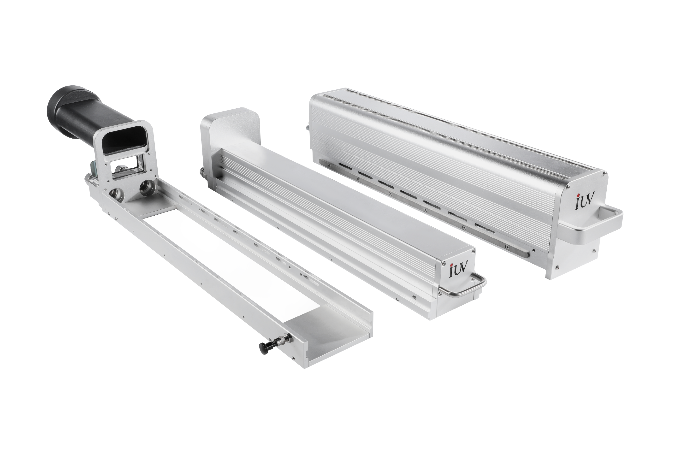
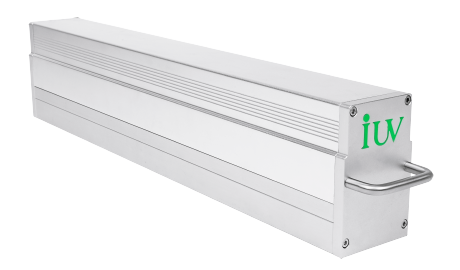
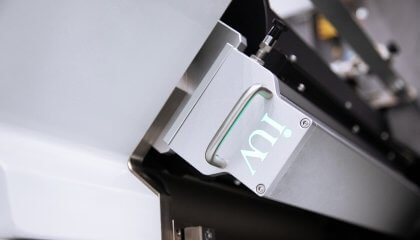
LED UV curing utilizes light-emitting diodes to produce UV light. These diodes emit a specific wavelength, typically in the UV-A range (365 nm or 395 nm). This targeted emission offers several advantages over traditional lamps. LED lamps reach full intensity instantly. They consume less energy and generate significantly less heat. This reduction in heat is particularly beneficial for sensitive substrates, preventing distortion or damage.
How LED UV Curing Enhances Ink Adhesion
The impact of LED UV curing on ink adhesion is multifaceted. The precise wavelength emitted by LEDs leads to more efficient photoinitiator activation. This results in faster and more complete curing of the ink. A fully polymerized ink film is inherently stronger and more resistant to delamination.
Furthermore, the lower heat output from LED systems is a significant advantage. Traditional UV lamps can overheat the substrate, especially thin films. This heat can alter the substrate’s surface properties, potentially hindering ink adhesion. With LED curing, the substrate remains cooler, preserving its surface integrity and ensuring optimal conditions for ink bonding.
The focused spectral output of LEDs also allows for the development of specialized ink formulations. Printers can now utilize inks optimized for LED curing, which contain photoinitiators that respond exceptionally well to the specific wavelengths emitted. These tailor-made inks are designed to achieve maximum cross-linking and superior adhesion on a wider range of substrates.
Narrow-Web LED Flexo Solutions in Practice
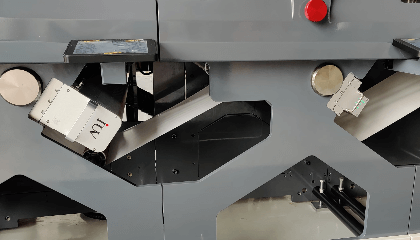
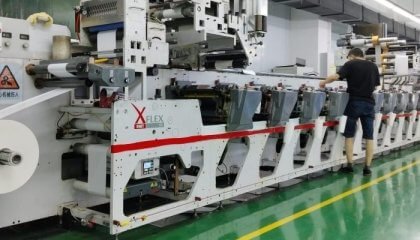
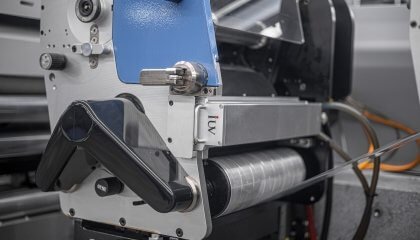
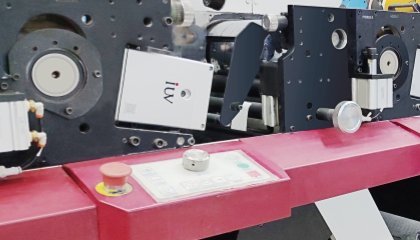
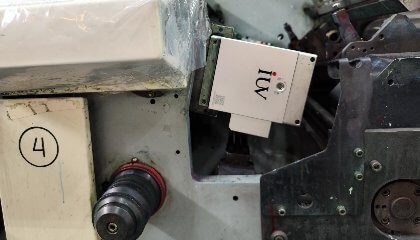
Modern narrow-web flexo presses are increasingly incorporating LED UV curing technology. These integrated solutions offer a streamlined printing process. The immediate on/off capability of LEDs allows for precise control over the curing at each print station. This is especially useful for complex multi-color jobs where maintaining ink integrity between stations is crucial.
The efficiency gains are substantial. Faster curing speeds mean higher production throughput. Reduced energy consumption translates to lower operating costs. The extended lifespan of LED lamps compared to mercury lamps also lowers maintenance and replacement expenses.
For label converters, the ability to print on a wider variety of substrates is a key benefit. From challenging plastics and foils to delicate papers, LED curing, coupled with appropriate ink technology, facilitates excellent adhesion. This opens up new market opportunities and allows printers to offer more versatile solutions to their clients.
Substrate Considerations for Improved Adhesion
When implementing LED UV flexo solutions, careful consideration of the substrate is essential for maximizing ink adhesion. Different materials have varying surface energies and receptivity to inks.
- Polypropylene (PP) and Polyethylene (PE) Films: These plastics often require surface pre-treatment, such as corona or plasma, to increase their surface energy. This ensures the ink can properly wet and adhere to the film. LED curing can then lock this adhesion effectively.
- Paper and Coated Papers: While generally more porous, coated papers can still benefit from optimized ink formulations for LED curing. The faster cure prevents ink penetration that could weaken adhesion.
- Specialty Films and Foils: These materials can be particularly challenging. The correct ink chemistry and a well-controlled LED curing process are critical for achieving durable adhesion.
Ink Formulation for LED Flexo
The development of ink systems specifically designed for LED UV curing has been a major driver of improved adhesion. These inks feature:
- High-Speed Photoinitiators: Engineered to respond rapidly to the specific wavelengths of LED lamps.
- Optimized Binder Systems: These binders are chosen for their compatibility with the LED-cured ink film and their ability to form a strong bond with the substrate.
- Low-Odor and Low-Migration Properties: Increasingly important for food and pharmaceutical applications, these inks ensure safety while maintaining performance.
Printers must work closely with their ink suppliers to select formulations that are optimized for their specific press, substrate, and application requirements.
Achieving Optimal Adhesion: A Holistic Approach
Improving ink adhesion with narrow-web LED flexo solutions is not solely about the curing technology. It requires a holistic approach that encompasses:
- Press Setup: Correct anilox roll selection for optimal ink transfer, appropriate impression settings, and proper doctor blade configuration.
- Substrate Preparation: Ensuring the substrate is clean and, if necessary, appropriately pre-treated.
- Ink Management: Using fresh, properly stored inks and maintaining consistent viscosity.
- Curing System Optimization: Calibrating the LED lamps to deliver the correct UV dose and spectral output for the specific ink and substrate combination.
By paying attention to each of these elements, label converters can unlock the full potential of their narrow-web LED flexo equipment. The result is consistently high-quality prints with exceptional ink adhesion, meeting the demanding standards of today’s market. This technology represents a significant step forward, offering enhanced performance, efficiency, and versatility for the modern printing operation.