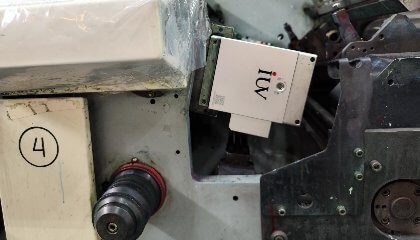
In the fast-paced world of label printing, optimizing workflow efficiency is paramount. Manufacturers constantly seek ways to speed up production, reduce waste, and improve overall output quality. One area that has seen significant advancement is UV curing technology, particularly with the integration of smart control systems for LED UV curing. This innovation is revolutionizing how printers approach their production lines, offering tangible benefits across various printing methods like flexography, offset, and narrow web printing.
The Evolution of UV Curing in Print
For years, traditional UV curing systems using mercury vapor lamps were the industry standard. While effective, they presented several challenges. These lamps consumed considerable energy, generated significant heat, and had a limited lifespan, requiring frequent replacement and contributing to downtime. Furthermore, their broad spectrum output often led to wasted energy and uneven curing.
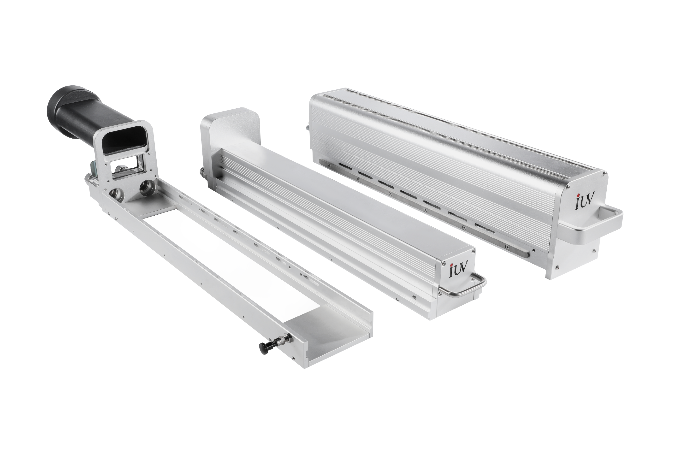
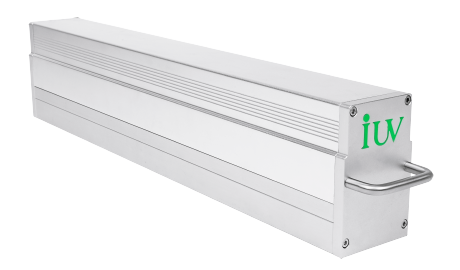
The advent of LED UV curing marked a substantial leap forward. LEDs offer a more focused wavelength of UV light, leading to more precise and efficient curing. They consume less energy, produce less heat, and boast a much longer operational life. However, the true game-changer for workflow efficiency has been the integration of “smart” control systems with these LED UV units.
Understanding Smart LED UV Curing Control
A smart LED UV curing control system goes beyond simply turning the lamps on and off. It’s an intelligent layer that integrates with the printing press and the overall production management system. These systems offer granular control over various parameters, allowing for real-time adjustments and data-driven optimization.
Key features of these smart systems often include:
- Precise Power Management: The ability to precisely control the intensity of the UV output. This means printers can match the exact energy required for specific inks, coatings, or substrates, avoiding over-curing or under-curing.
- Wavelength Specificity: LEDs operate at very specific wavelengths. Smart controls ensure these wavelengths are delivered consistently and at the optimal intensity for maximum photoinitiator activation.
- Automated Monitoring and Diagnostics: Systems can continuously monitor performance, detect anomalies, and even predict potential failures. This proactive approach significantly reduces unexpected downtime.
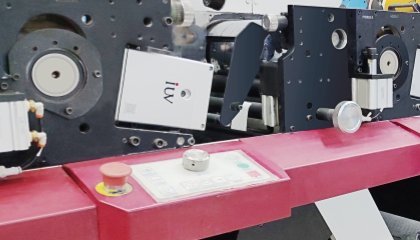
- Integration with Press Controls: Seamless integration allows the curing system to communicate with the printing press. This enables synchronized startup and shutdown, as well as dynamic adjustments based on press speed and job changes.
- Data Logging and Reporting: Comprehensive data logging captures critical curing parameters for each job. This information is invaluable for quality control, troubleshooting, and process improvement.
- Remote Access and Control: Many advanced systems allow for remote monitoring and even adjustments, providing flexibility for operators and supervisors.
Enhancing Workflow Efficiency in Label Printing
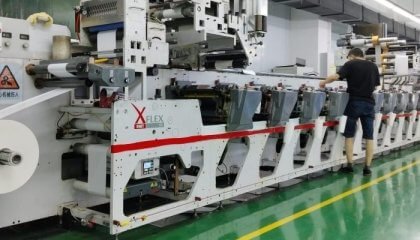
Label printing, especially in the narrow web sector, demands high speeds and intricate detail. Smart LED UV curing systems directly address these demands by:
- Reducing Setup Times: When switching between jobs, printers can program specific curing profiles for each. This eliminates the need for manual dial-in of lamp intensity and speeds up the transition from one job to the next. The system remembers the optimal settings, ensuring consistency and reducing operator error.
- Minimizing Waste: Precise control over UV energy means inks and coatings cure effectively on the first pass. This reduces the likelihood of uncured ink transfer (set-off) to the back of the substrate or to subsequent print stations. Less waste means lower material costs and less time spent on rework.
- Increasing Press Speeds: With efficient and consistent curing, presses can often be run at higher speeds without compromising quality. This directly translates to higher throughput and increased production capacity. Smart controls ensure that even at higher speeds, sufficient UV energy is delivered for proper curing.
- Improving Quality and Durability: Consistent curing leads to more robust and durable print results. Whether it’s scratch resistance, chemical resistance, or color vibrancy, the outcome is more predictable and reliable, reducing customer complaints and returns.
Benefits for Flexographic Printing
Flexography, a dominant force in label and packaging printing, benefits immensely from smart LED UV curing.
- Ink Compatibility: Flexo inks, particularly UV-curable formulations, are designed to react to specific UV wavelengths. Smart LED systems ensure the correct wavelength and intensity are delivered, leading to faster and more complete curing, even with opaque or dense inks.
- Substrate Versatility: Flexo printing often involves a wide range of substrates, from thin films to thicker papers. The ability to precisely control UV output allows printers to adapt the curing process to the thermal and physical properties of each substrate, preventing issues like film shrinkage or warping caused by excessive heat.
- Reduced Dot Gain and Sharpness: Consistent curing helps maintain the integrity of fine details and halftones. Smart controls ensure that UV energy is applied uniformly across the printed area, minimizing unwanted spread or loss of definition that can occur with less controlled systems.
- Extended Anilox Roll Life: While not directly related to curing, the reduced heat generated by LED UV systems compared to mercury lamps can indirectly contribute to the longevity of other press components, including anilox rolls, by reducing overall thermal stress on the press.
Impact on Offset Printing
In sheetfed and web offset printing, particularly for labels and packaging, smart LED UV curing brings significant advantages.
- Faster Drying on Non-Absorbent Stocks: Offset printing commonly uses a wider variety of paper stocks, including coated and synthetic materials that do not absorb ink well. UV curing is essential for these substrates. Smart LED systems provide the rapid and efficient curing needed to prevent smudging and enable immediate post-press handling, such as stacking or die-cutting.
- Reduced VOC Emissions: Traditional offset inks release Volatile Organic Compounds (VOCs). UV-curable offset inks, when properly cured, offer a much cleaner alternative with minimal VOC emissions. Smart LED controls ensure complete curing, maximizing the environmental benefits of using UV inks.
- Elimination of Powder Sprays: In sheetfed offset, anti-set-off powders are often used to prevent wet ink from transferring between sheets. UV curing eliminates the need for these powders, which can interfere with downstream processes like foiling or embossing and create a mess. Smart LED systems ensure the ink is dry to the touch immediately.
- Color Consistency: Offset printing relies on precise ink transfer and drying. Smart LED UV ensures that the ink cures consistently from sheet to sheet, or across a continuous web, maintaining color fidelity and reducing batch-to-batch variations.
Addressing Narrow Web Printing Needs
Narrow web printing, primarily for labels and flexible packaging, is an area where the benefits of smart LED UV curing are most pronounced due to the high volume and rapid changeovers typical of the sector.
- On-the-Fly Adjustments: Smart systems allow for adjustments to be made without stopping the press. As ink densities change or different substrates are introduced, the UV output can be fine-tuned dynamically. This is crucial for maintaining quality and speed in a continuous production environment.
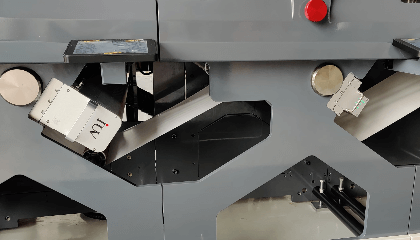
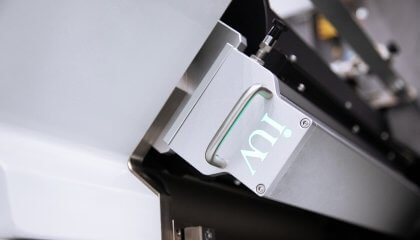
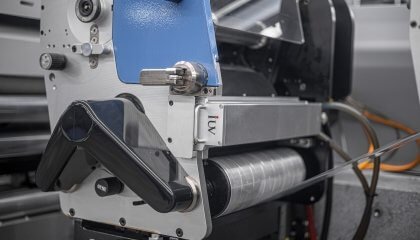
- Compact Footprint: LED UV curing units are typically more compact than traditional mercury lamp systems. This is a significant advantage on narrow web presses where space is often at a premium. Smart controls are often integrated into these compact modules, saving valuable real estate on the press.
- Energy Savings: Narrow web printers often run multiple machines. The energy efficiency of LED UV technology, coupled with smart power management, leads to substantial reductions in electricity costs over time.
- Faster Turnaround Times: By enabling higher press speeds, quicker job changeovers, and immediate post-print handling, smart LED UV systems significantly shorten overall production lead times. This allows printers to be more responsive to customer demands and gain a competitive edge.
The “Smart” Advantage: Data and Control
The “smart” aspect of these systems is what truly elevates workflow efficiency. It’s about moving from reactive troubleshooting to proactive optimization.
- Predictive Maintenance: By analyzing performance data, smart systems can identify trends that may indicate an impending component failure. This allows for scheduled maintenance, preventing costly breakdowns during critical production runs.
- Process Optimization: The detailed data logs provide a wealth of information for analyzing print jobs. Printers can identify which curing settings yield the best results for specific ink/substrate combinations. This knowledge can be used to create standard operating procedures and continuously improve quality.
- Traceability and Compliance: For regulated industries, having precise records of the curing process for each batch of product can be essential for quality assurance and compliance. Smart systems provide this auditable trail.
- Reduced Operator Dependency: While skilled operators are still vital, smart systems automate many of the complex adjustments previously left to individual experience. This reduces the learning curve for new operators and ensures a more consistent outcome regardless of who is running the press.
Conclusion: A Smarter Path to Efficiency
The integration of smart control systems with LED UV curing technology is not just an incremental improvement; it’s a transformative step for the printing industry. For label, flexographic, offset, and narrow web printers, these systems offer a clear path to enhanced workflow efficiency. By providing precise control, enabling real-time adjustments, reducing waste, and minimizing downtime, smart LED UV curing empowers printers to achieve higher speeds, better quality, and greater profitability. Investing in this technology is investing in a more streamlined, responsive, and competitive future for print production.