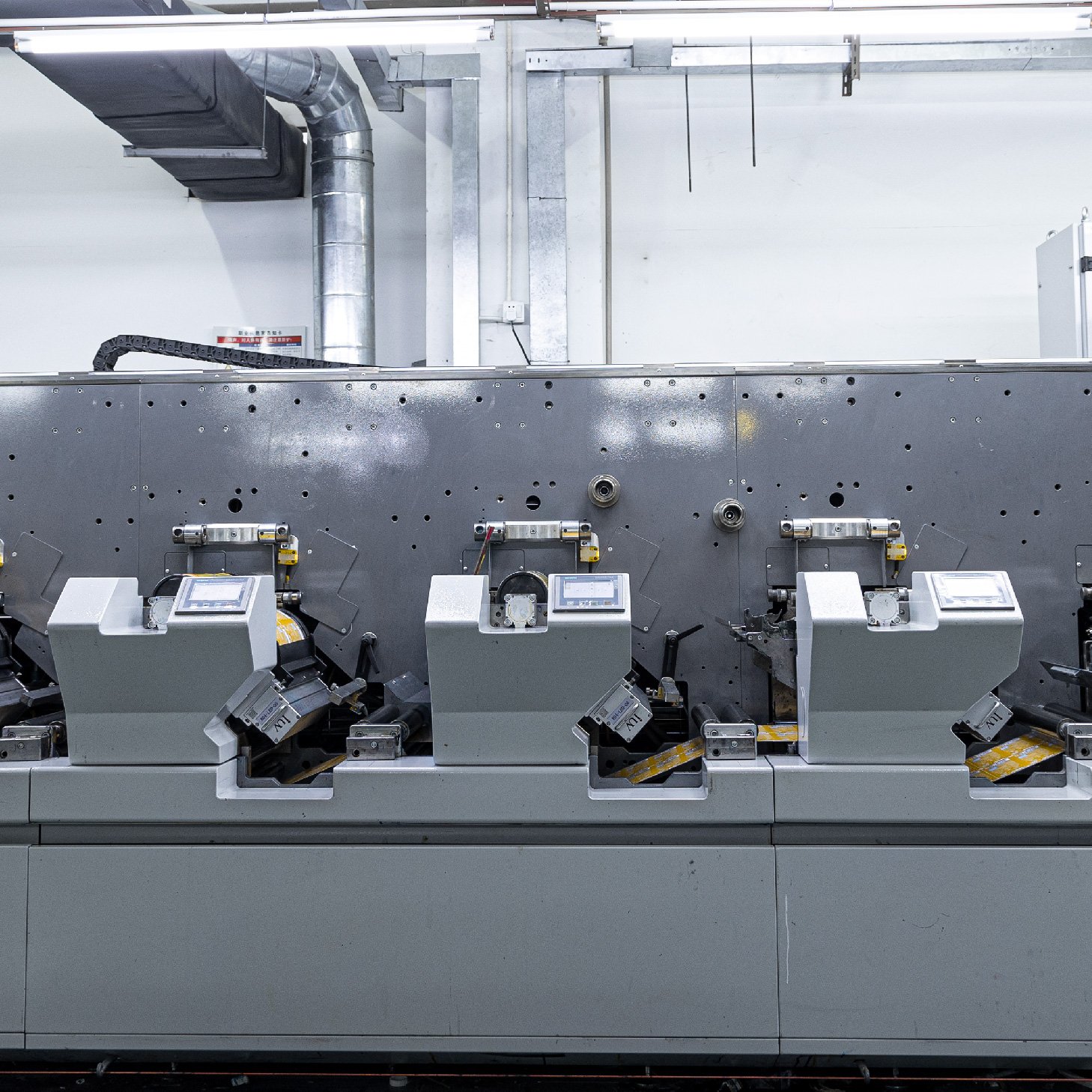
Here’s a Google-optimized piece about UV curing systems and high-volume label production, written from the perspective of a seasoned printing industry equipment and process engineer with a knack for SEO copywriting.
High-volume label production demands speed and precision. In today’s competitive market, manufacturers constantly seek ways to boost efficiency and lower costs. This is where advanced UV curing systems truly shine. They are not just a piece of equipment; they represent a significant leap forward in streamlining the entire label printing process.
For years, traditional drying methods presented limitations. Heat-set inks required long drying tunnels, consuming valuable floor space and energy. Solvent-based inks posed environmental concerns and complex ventilation needs. These challenges often created bottlenecks, slowing down production and increasing operational expenses, especially for narrow web printing applications.
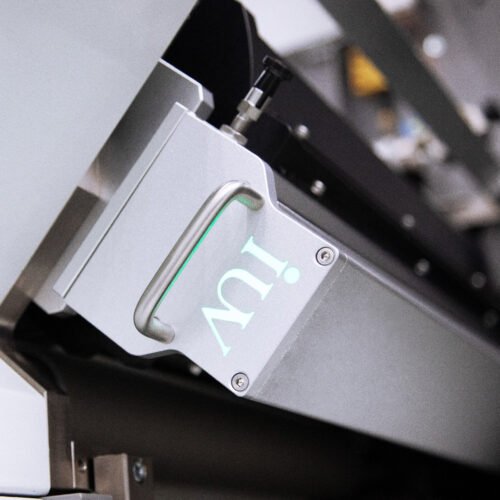
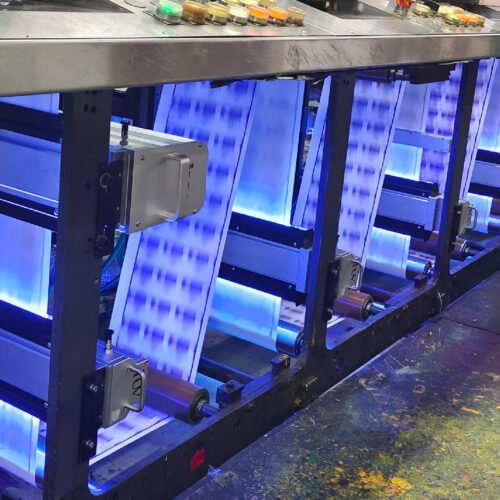
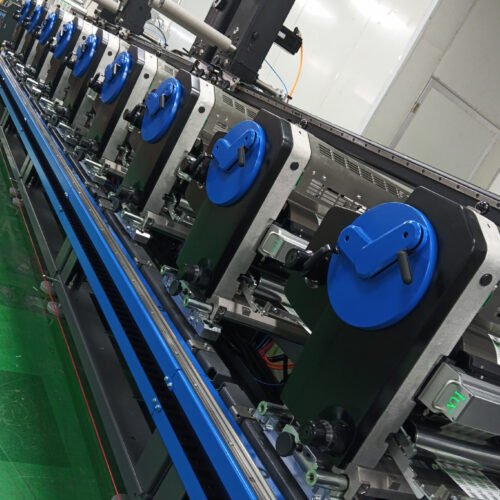
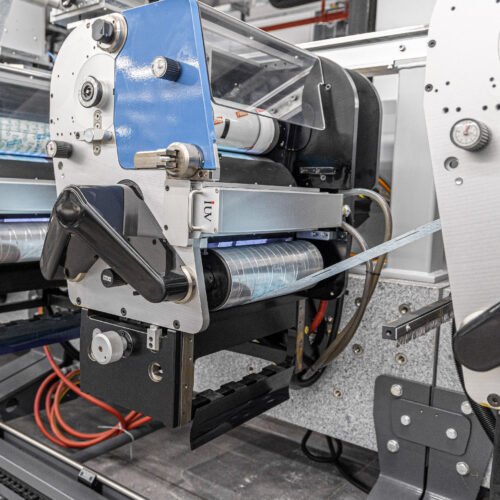
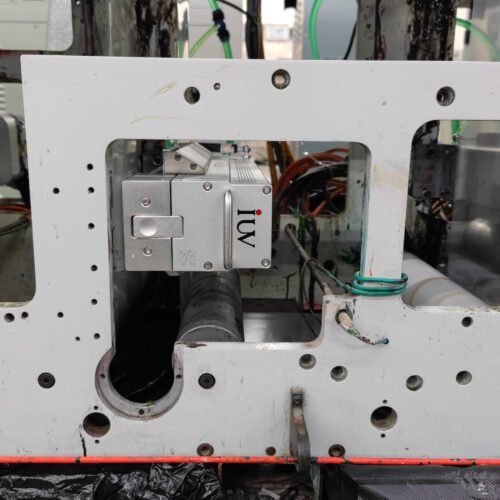
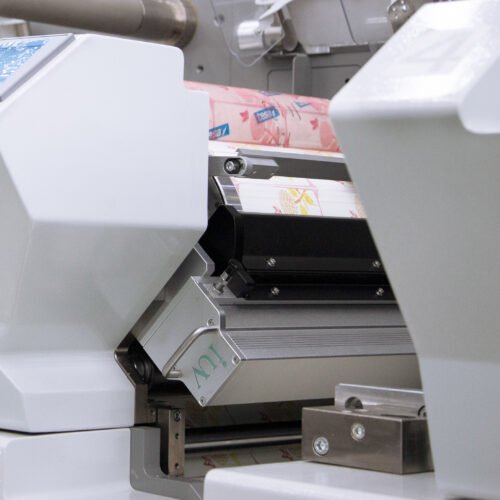
The advent of UV (ultraviolet) curing technology has dramatically reshaped the landscape of label printing. UV curing utilizes specialized lamps to instantly solidify inks, coatings, and adhesives as they pass through the printing press. This immediate solidification, or “curing,” offers a cascade of benefits for high-volume operations.
One of the most impactful advantages is the substantial increase in production speed. Unlike heat-set or air-dried inks, UV-curable inks cure almost instantaneously. This means printed webs can be immediately rewound or moved to the next process step. This eliminates drying time, allowing presses to run at their maximum mechanical speed without compromise. For narrow web printers producing thousands, even millions, of labels daily, this speed translates directly into higher output and quicker order fulfillment.
Furthermore, UV curing significantly enhances print quality and durability. UV inks form a tough, resilient layer upon curing. This makes labels resistant to scratching, abrasion, and chemical exposure. Think about labels on cleaning products, automotive fluids, or food packaging – these often face harsh environments. UV-cured labels maintain their pristine appearance and legibility, crucial for branding and consumer information. This robust finish is achievable across various printing methods, including flexographic printing and offset printing.
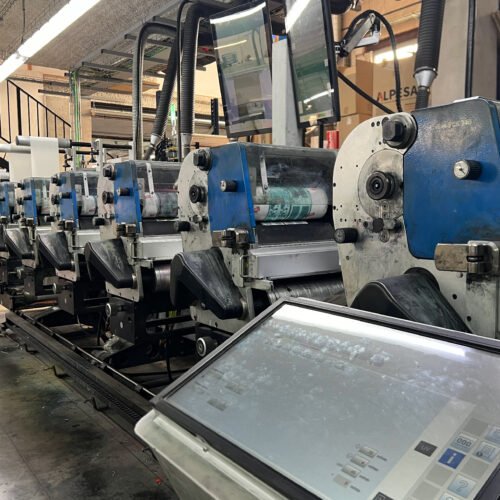
Flexographic printing, a workhorse in narrow web label production, integrates seamlessly with UV curing. In flexo, a raised image carrier transfers ink to the substrate. UV-cured inks are ideal here because they help maintain the fine details and sharp edges required for high-quality label graphics. The instant cure prevents ink from spreading or “dot gain,” ensuring consistent results run after run. This reliability is paramount when producing large quantities of identical labels.
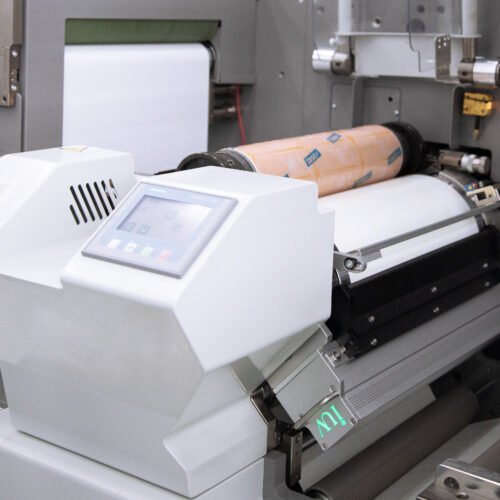
Offset printing, while sometimes associated with sheet-fed applications, also finds a place in high-volume label production, particularly for high-end labels requiring intricate detail. UV curing in offset presses allows for crisp, vibrant images with excellent color reproduction. The fast curing ensures that multiple passes or coating applications can occur within the same printing unit, further boosting efficiency and enabling complex multi-layer effects.
The economic benefits of UV curing systems are also considerable. While the initial investment in UV lamps and associated equipment might be higher, the long-term savings are substantial. Reduced energy consumption compared to heat-set dryers is a significant factor. UV lamps, especially modern LED UV systems, are far more energy-efficient. They also have a much longer lifespan, reducing replacement costs and downtime.
LED UV curing technology represents the latest evolution in this field. Compared to traditional mercury vapor UV lamps, LED systems offer even greater advantages. They consume less energy, produce less heat (which is beneficial for heat-sensitive substrates), have an exceptionally long operational life, and are more environmentally friendly as they don’t contain mercury. The precise wavelength control of LED UV also ensures optimal curing for specific ink formulations, leading to consistent quality. For high-volume operations, the reliability and reduced maintenance of LED UV systems translate into significantly less unscheduled downtime.
The versatility of UV curing extends to the substrates it can print on. Because the curing process generates minimal heat, printers can confidently use a wider range of materials, including thin films and heat-sensitive plastics, which might be damaged by conventional drying methods. This opens up new possibilities for label design and application.
Environmental considerations are increasingly important in manufacturing. UV curing technology is often favored for its reduced environmental impact. UV-curable inks and coatings are typically 100% solids, meaning they contain very low or no volatile organic compounds (VOCs). This eliminates the need for extensive exhaust systems required for solvent-based inks, leading to a cleaner working environment and reduced emissions.
In essence, the integration of UV curing systems, particularly the advanced LED UV technology, is not just an upgrade; it’s a strategic imperative for businesses focused on streamlining high-volume label production. It empowers printers to achieve faster speeds, superior quality, greater durability, and significant cost savings, all while offering environmental advantages. The ability to cure inks instantly on a wide array of substrates, coupled with the reliability of modern UV technology, ensures that label manufacturers can meet the ever-growing demands of the market with efficiency and excellence. This is the future of high-volume label printing, driven by innovation in curing technology.