UV Curing: The Future of High-Performance Printing
The printing industry is experiencing a profound transformation, driven by innovative technologies that enhance efficiency, quality, and sustainability. At the forefront of this revolution are UV curing systems. These advanced systems are changing how we print, especially in sectors like label printing, flexography, and offset lithography. They offer faster drying times, superior durability, and a reduced environmental impact compared to traditional methods.
Understanding UV Curing Technology
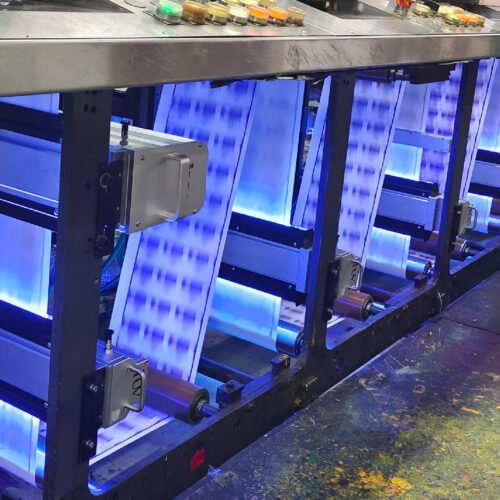
UV curing, or ultraviolet curing, is a process where liquid ink, coating, or adhesive is rapidly hardened, or “cured,” when exposed to ultraviolet light. This photochemical process involves photoinitiators within the ink or coating. When struck by UV light, these photoinitiators generate reactive species that initiate a rapid polymerization process. This transforms the liquid into a solid, durable film almost instantaneously.
The Rise of LED UV Curing
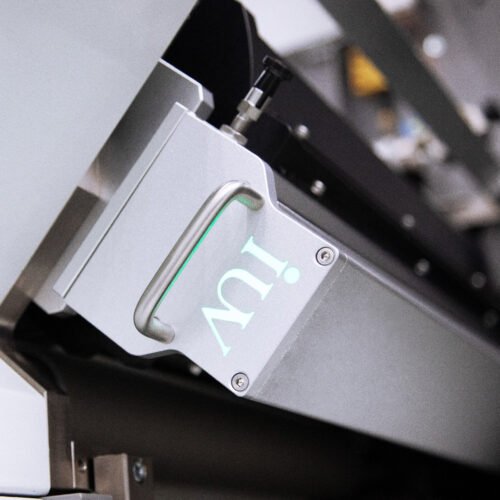
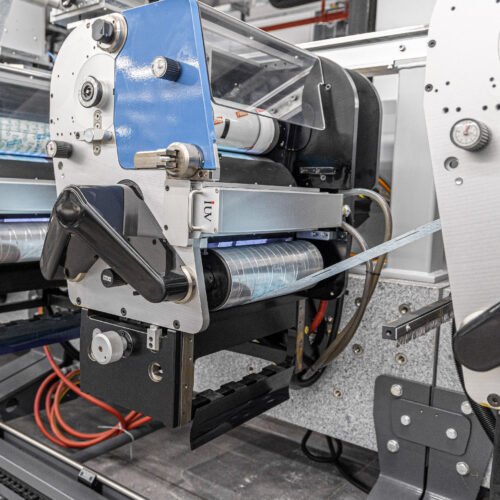
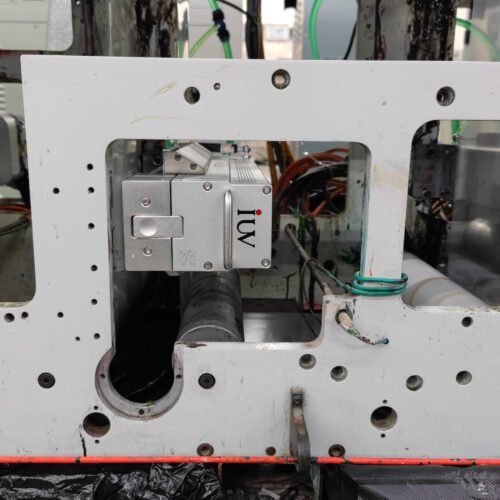
While traditional UV lamps have been used for decades, the advent of LED UV curing technology marks a significant leap forward. LED (Light Emitting Diode) UV systems offer several key advantages. They consume less energy, have a much longer lifespan, and produce less heat than conventional mercury vapor lamps. This translates to lower operating costs and improved working conditions. Furthermore, LED UV lamps emit a more focused spectrum of UV light, leading to more efficient and consistent curing.
Transforming Label Printing
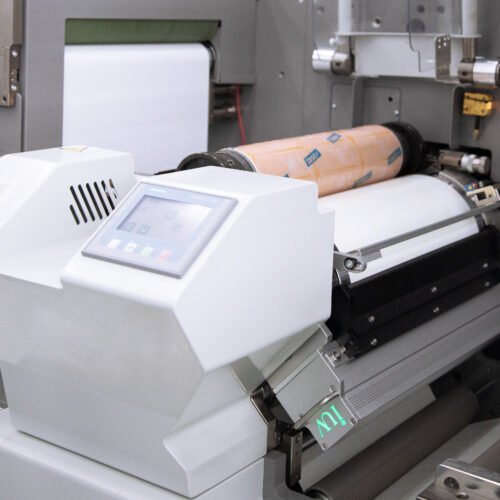
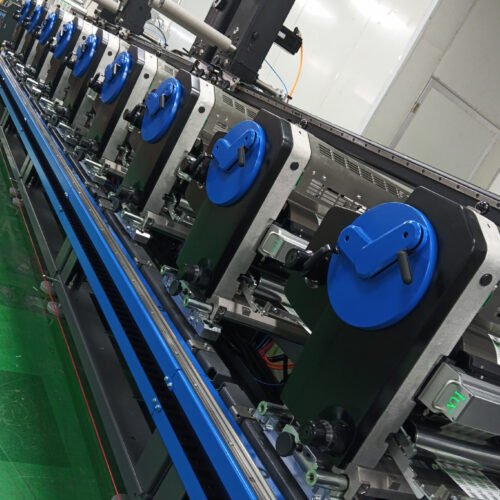
Label printing is a prime example of where UV curing shines. The demand for high-quality, durable, and visually appealing labels is immense. UV inks and coatings allow label printers to achieve vibrant colors, sharp details, and special effects like high-gloss finishes or textured patterns. The fast curing speeds mean that labels can be printed and finished in a single pass, dramatically increasing production throughput. This is crucial for short-run, variable data label jobs.
For narrow web label printers, UV curing is almost indispensable. The ability to print on a wide range of substrates, including films and foils, without excessive heat build-up is a major benefit. This versatility allows for the production of labels for diverse applications, from food and beverage packaging to industrial and cosmetic products. The resistance of UV-cured inks to abrasion, chemicals, and fading ensures that labels remain legible and attractive throughout their intended lifespan.
Enhancing Flexographic Printing
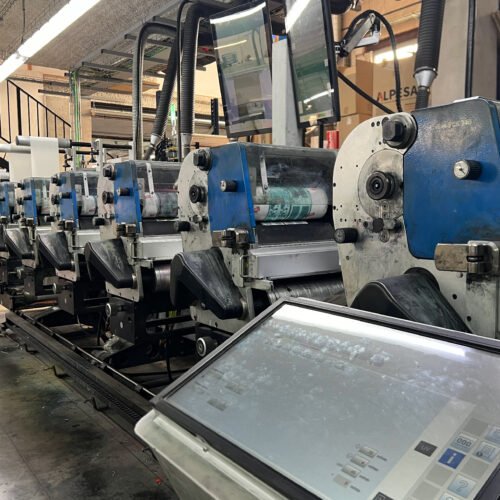
Flexography, often referred to as flexo printing, is a highly versatile printing process widely used for packaging and labels. UV curing has significantly elevated the capabilities of flexo printing. UV-curable inks allow for finer print details and a broader color gamut, leading to sharper images and more impactful graphics. The quick drying nature of UV inks prevents ink transfer between printed surfaces, a common issue in high-speed flexo operations.
This means that printers can achieve consistent quality on a variety of substrates, including plastics, paper, and corrugated board. The environmental benefits are also noteworthy. UV flexo inks typically contain very low levels of volatile organic compounds (VOCs) compared to solvent-based inks. This aligns with growing industry and consumer demand for more sustainable printing solutions. The reduced waste and faster turnaround times further contribute to the economic viability of UV flexo printing.
Revolutionizing Offset Lithography
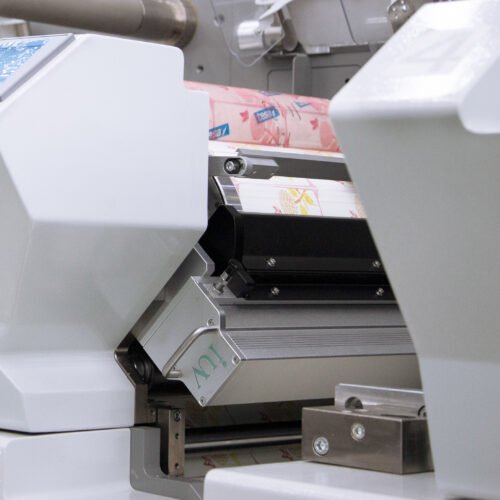
Offset lithography, another cornerstone of the printing industry, is also benefiting from UV curing. UV offset printing allows for the immediate handling of printed sheets without the need for lengthy drying times or anti-set-off powders. This accelerates post-press processes like cutting, folding, and binding, leading to shorter production cycles.
The ability to print on non-absorbent substrates like plastics, vinyl, and synthetic papers opens up new creative possibilities for commercial printers. Applications range from durable point-of-purchase displays and signage to high-quality business cards and book covers. UV coatings can add a protective layer that enhances the longevity and visual appeal of printed materials. This makes offset printing a more robust and versatile option for a wider array of projects.
The Advantages of UV Curing Systems
The widespread adoption of UV curing systems stems from a compelling list of benefits:
- Speed: Curing occurs in seconds, allowing for much faster production speeds.
- Quality: Achieves sharper images, vibrant colors, and consistent finishes.
- Durability: Creates prints that are resistant to scratching, fading, and chemicals.
- Versatility: Works on a wide range of substrates, including non-porous materials.
- Sustainability: Low VOC emissions and reduced waste compared to traditional methods.
- Efficiency: Lower energy consumption (especially with LEDs) and reduced setup times.
- Cost Savings: Faster turnaround, less waste, and lower energy bills contribute to overall cost reduction.
The Future is Bright and Cured
UV curing technology, particularly with the advancement of LED UV systems, is undeniably revolutionizing the printing industry. From the intricate designs on narrow web labels to the broad strokes of packaging and commercial print, UV systems offer unparalleled performance. They enable printers to meet the demands for higher quality, faster turnaround, and more sustainable practices. As the technology continues to evolve, we can expect even more innovative applications and enhanced benefits, solidifying UV curing as a fundamental pillar of modern printing.