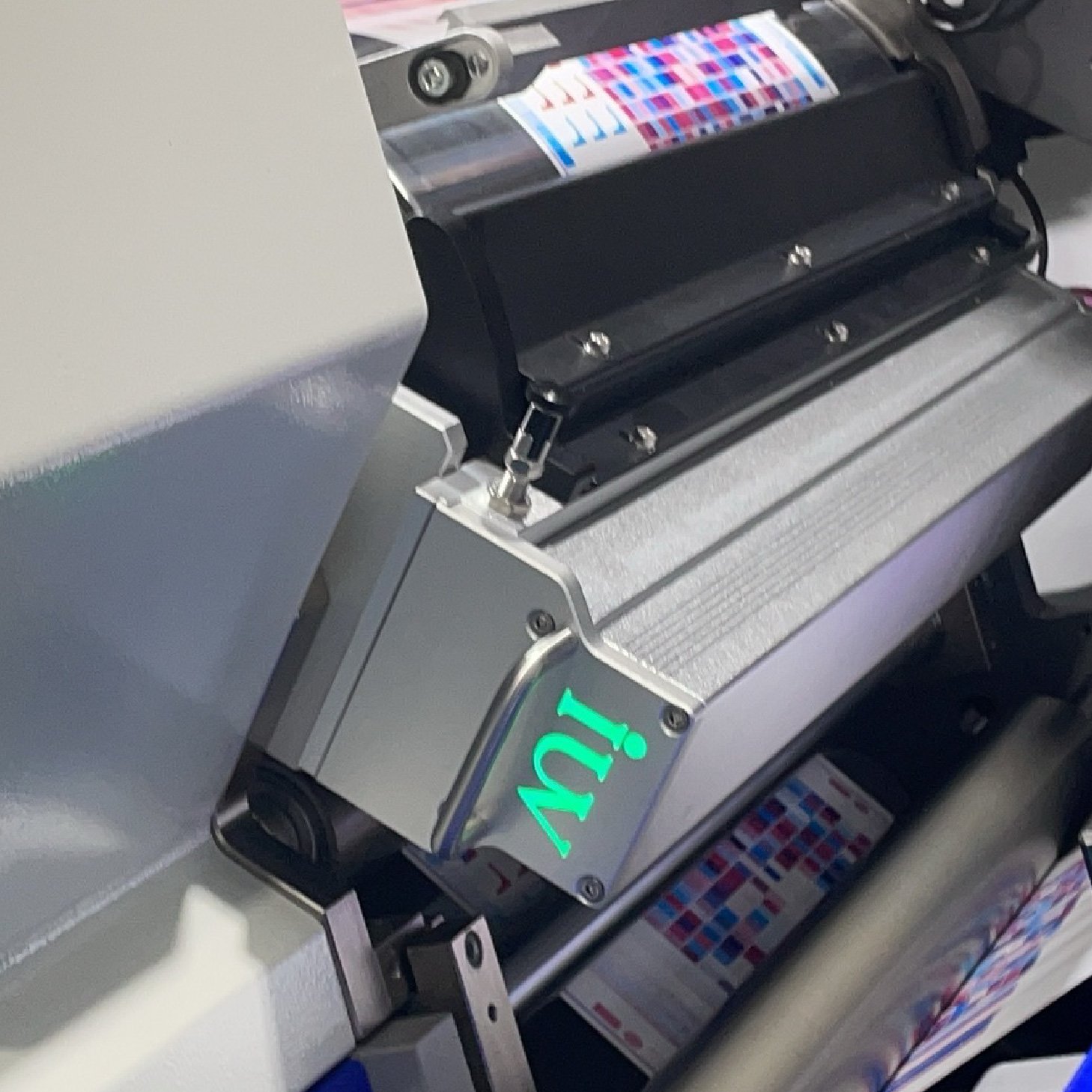
UV curing technology is changing the printing landscape. It offers a greener way to produce high-quality prints. This advanced method uses ultraviolet light to instantly dry inks and coatings. This process is significantly faster and more efficient than traditional drying methods.
Many printing sectors are adopting UV curing. This includes label printing, flexible packaging, and narrow web printing. Even offset and flexographic printing are benefiting greatly. The drive for sustainability makes UV curing a top choice.
The Environmental Benefits of UV Curing
Traditional printing methods often rely on heat or air to dry inks. This can release volatile organic compounds (VOCs) into the atmosphere. VOCs are harmful to air quality and human health. UV curable inks, however, contain little to no VOCs.
When exposed to UV light, the ink monomers and oligomers polymerize. This forms a solid, durable ink film. The process is nearly instantaneous. This means less energy is consumed compared to heat-set printing. The reduced energy usage translates to a smaller carbon footprint for print businesses.
Furthermore, UV curing eliminates the need for solvents in many applications. This not only improves air quality but also reduces waste. Less solvent usage means fewer hazardous materials to manage and dispose of.
UV Curing in Label Printing
The label printing industry is a major adopter of UV curing. Labels often require vibrant colors and high durability. They need to withstand various environmental conditions. UV inks and coatings provide just that.
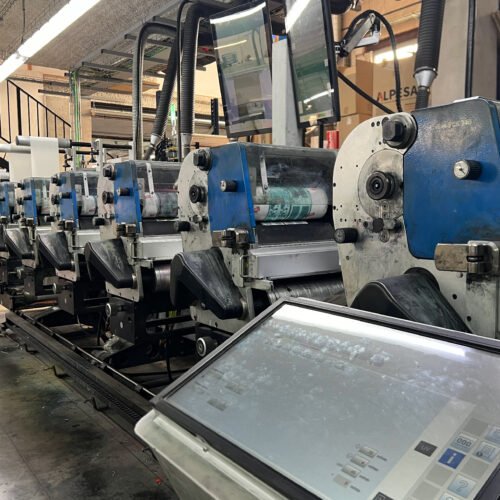
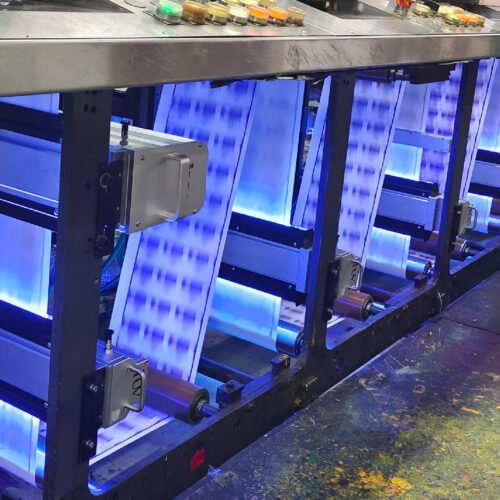
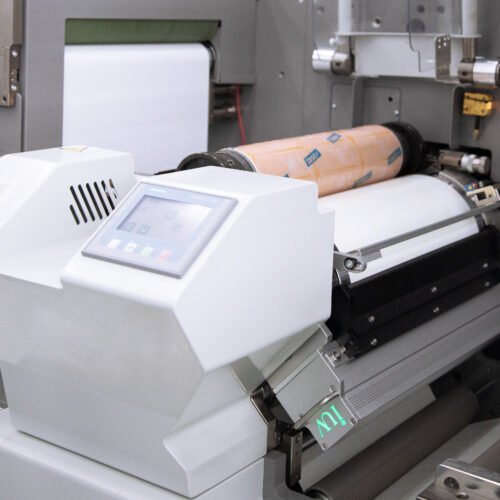
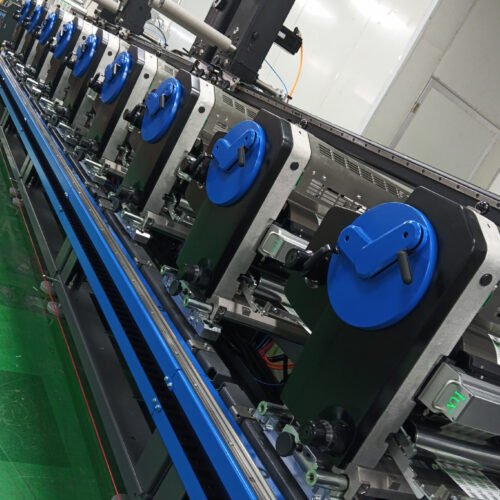
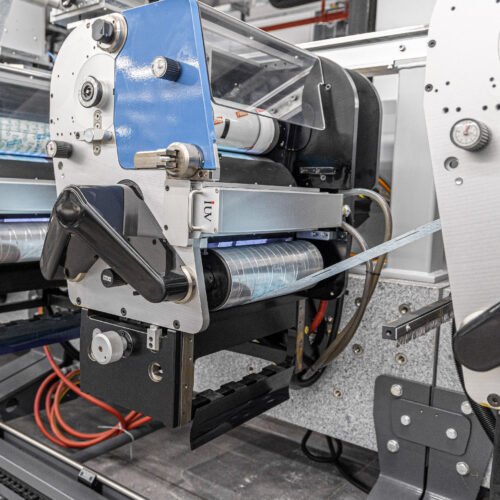
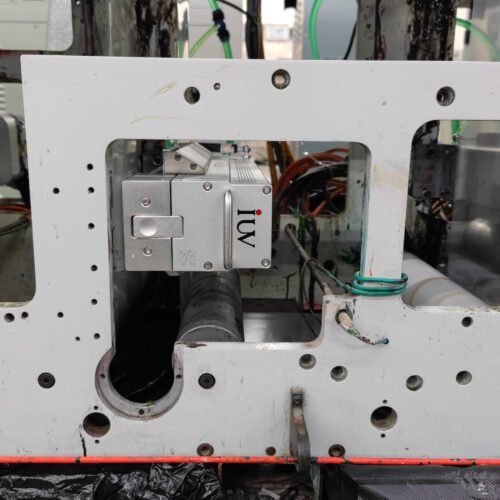
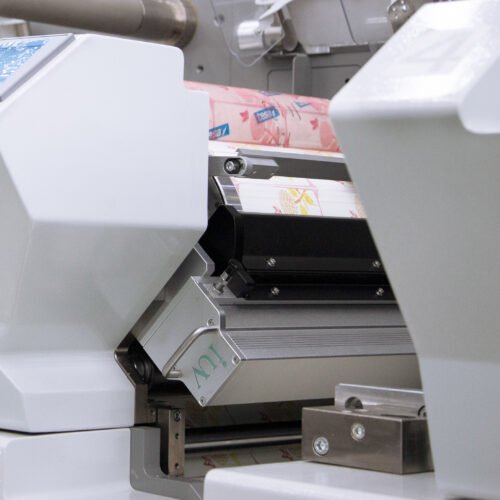
Narrow web printing presses are commonly used for labels and flexible packaging. These presses are ideal for UV curing systems. The compact nature of UV lamps fits well within the limited space of narrow web machines. This allows for inline printing and curing.
Printers can achieve exceptional print quality. Images are sharp, and colors are brilliant. The cured ink layer is resistant to abrasion, chemicals, and fading. This is crucial for product labels that need to last.
Flexographic Printing and UV Curing
Flexographic printing, or flexo, is widely used for packaging and labels. UV curing has transformed flexo printing. It allows for faster press speeds and a wider range of substrate compatibility.
Before UV curing, flexo often used water-based or solvent-based inks. These had limitations in drying speed and substrate adhesion. UV flexo inks cure instantly under UV light. This enables printers to run presses at higher speeds without ink smearing.
The improved adhesion of UV inks is another advantage. They can print on non-porous materials like plastic films and foils. This was previously challenging with traditional inks. The durability of the UV-cured ink also enhances the final product’s appearance and longevity.
Offset Printing Embraces UV Curing
Offset printing, or lithography, is known for its high print quality. UV curing is increasingly integrated into offset presses, particularly for commercial and packaging applications.
Traditional offset inks require oxidation to dry. This process can be slow and limit press speeds. UV offset inks cure immediately under UV light. This allows for faster turnaround times. Prints are dry to the touch as soon as they exit the press.
This instant drying capability is invaluable. It eliminates the need for anti-offset powders. These powders can affect print quality and create dust in the print environment. UV curing also enhances the vibrancy and depth of colors in offset printing.
The Role of LED UV Curing
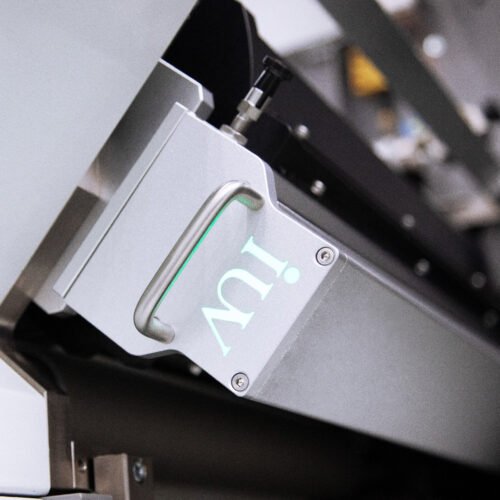
A significant advancement in UV curing is the development of LED UV technology. Traditional UV curing systems use mercury vapor lamps. These lamps consume a lot of energy and have a shorter lifespan. They also generate significant heat.
LED UV lamps, on the other hand, are much more energy-efficient. They consume up to 70% less energy than mercury lamps. Their lifespan is also much longer, often tens of thousands of hours. This reduces maintenance and replacement costs.
LED UV lamps emit a specific wavelength of UV light. This allows for highly controlled curing. They also produce very little heat. This is a major advantage when printing on heat-sensitive substrates, such as thin plastics or certain papers.
The focused light output of LEDs ensures efficient ink curing. This means less wasted energy. The environmental benefits are amplified with LED UV systems. They offer a cooler, more sustainable curing solution.
Advantages for Narrow Web Printing
Narrow web printing is perfect for labels and small-format flexible packaging. UV curing systems are a natural fit for these presses. The compact design of UV lamps allows them to be easily integrated into the printing line.
The ability to print on a wide range of materials is key in narrow web printing. UV inks adhere well to plastics, foils, and coated papers. This versatility allows printers to meet diverse customer needs.
The speed and efficiency of UV curing are also crucial for narrow web operations. These presses are designed for high-volume, short-run production. Instant drying ensures that jobs can be finished quickly. This reduces bottlenecks and increases overall productivity.
Choosing the Right UV Curing System
When selecting a UV curing system, several factors come into play. The type of printing press is important. Press speed, web width, and substrate material all influence the choice.
The type of UV lamp technology is also critical. Mercury lamps are still common, but LED UV systems are gaining popularity due to their efficiency and longevity. The spectral output of the lamps must match the requirements of the UV inks being used.
The curing power, or dose, is another consideration. This refers to the amount of UV energy delivered to the ink. It needs to be sufficient for complete polymerization. Proper lamp placement and cooling systems are also essential for optimal performance.
The Future of Printing is UV Cured
UV curing systems are no longer a niche technology. They are becoming standard in many printing applications. Their ability to enhance print quality, improve efficiency, and significantly reduce environmental impact makes them highly desirable.
As sustainability becomes an even greater priority for businesses and consumers, UV curing will play an even larger role. The ongoing innovation in UV ink formulations and lamp technology will continue to push the boundaries of what’s possible in printing.
From vibrant labels to durable packaging, UV curing is driving a cleaner, faster, and more effective future for the printing industry. Businesses that embrace this technology will be well-positioned for success in a competitive and environmentally conscious market.