<!-- Meta Pixel Code --> <!-- 结束元像素代码 -->

How to Retrofit Your Printing Press with UV Curing Systems for Improved Results

How to Retrofit Your Printing Press with UV Curing Systems for Improved Results

Unlock Enhanced Printing Performance: Retrofitting Your Press with UV Curing

Are you looking to elevate the quality and efficiency of your printing operations? Retrofitting your existing printing press with a UV curing system is a smart move. This upgrade offers significant advantages across various printing applications, from vibrant labels to high-volume packaging. Let’s dive into how this technology can transform your results.

Understanding UV Curing Technology

UV curing is a process that uses ultraviolet light to instantly dry or “cure” inks, coatings, and adhesives. Unlike traditional methods that rely on heat or evaporation, UV curing initiates a photochemical reaction. This reaction causes monomers and oligomers in the ink to cross-link and solidify almost instantaneously. The result is a durable, high-gloss finish with exceptional scratch and chemical resistance.

The Benefits of LED UV Curing

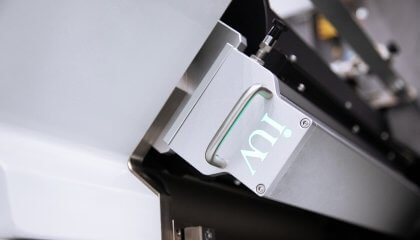
While traditional mercury vapor UV lamps have been the standard, Light Emitting Diode (LED) UV technology is rapidly becoming the preferred choice. LED UV systems offer several compelling benefits. They consume significantly less energy, leading to lower operating costs. Their long lifespan reduces maintenance and replacement expenses. Furthermore, LED UV lamps emit very little heat, making them ideal for heat-sensitive substrates like thin plastics and papers. This also translates to a safer working environment with reduced risk of operator burns. The instant on/off capability of LEDs also boosts productivity by eliminating warm-up times.

Retrofitting for Different Printing Processes

The beauty of UV curing lies in its versatility. It can be effectively integrated into a wide range of printing methods.

  • Label Printing: For the demanding label market, UV curing is almost a necessity. It allows for fast drying of vibrant, durable inks on a variety of substrates, including glossy films and textured papers. This ensures labels withstand handling, environmental exposure, and consumer interaction without fading or scuffing. The instant curing also means faster production runs, crucial for meeting tight deadlines. High-quality finishes and special effects are easily achievable.
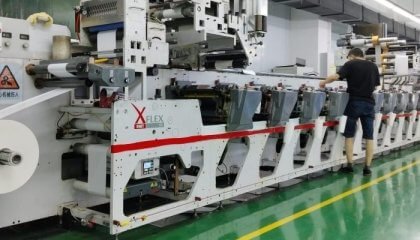
  • Flexographic Printing: Flexo presses, commonly used for packaging and labels, benefit immensely from UV curing. The ability to cure inks rapidly between print stations is a game-changer. This prevents ink transfer, allowing for tighter registration and the use of finer detail. Whether you’re printing on flexible packaging, corrugated board, or paper bags, UV inks cure to a robust finish. This improves the tactile feel and visual appeal of the final product. Short web paths are also more manageable with UV.
  • Offset Lithography (Sheetfed and Web): Offset printing can achieve remarkable results with UV inks. Sheetfed offset presses can now handle a wider array of stocks, including plastics and coated papers, thanks to UV curing. The instant drying eliminates the need for spray powder, which can interfere with subsequent processes and affect print quality. For web offset, UV curing enables faster press speeds and immediate finishing of printed materials like magazines and brochures. The consistent ink density and sharp dot reproduction are enhanced.
  • Narrow Web Printing: This segment, often overlapping with label and flexible packaging, truly thrives with UV technology. Narrow web presses are designed for high-speed, precise printing. Retrofitting with UV curing systems allows these presses to operate at their maximum potential. The instant cure ensures crisp print and prevents smudging on narrow web widths where ink transfer is a constant concern. This is vital for brand consistency and visual impact.

The Retrofitting Process: Key Considerations

Integrating a UV curing system into your existing press requires careful planning.

  1. Assessing Your Press: Evaluate your current press setup. Does it have adequate space for the UV unit? Are the existing electrical systems capable of handling the power requirements? Most modern presses can be adapted, but an expert assessment is highly recommended.
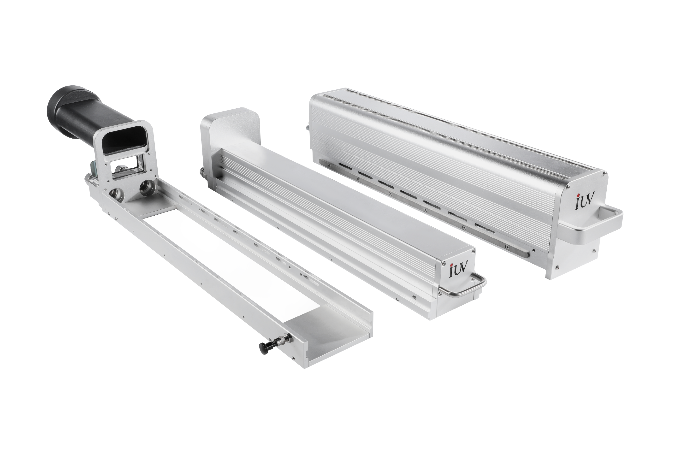
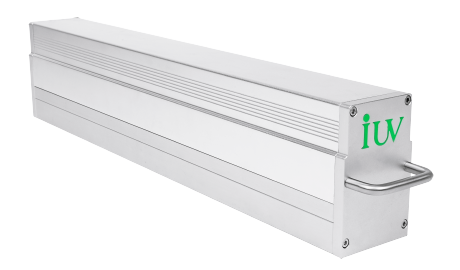
  2. Choosing the Right System: Select a UV curing system that matches your printing speed, substrate type, and ink requirements. LED UV systems are generally more efficient and offer better substrate compatibility than traditional mercury lamps. Consider the wavelength output of the LEDs to ensure compatibility with your inks.
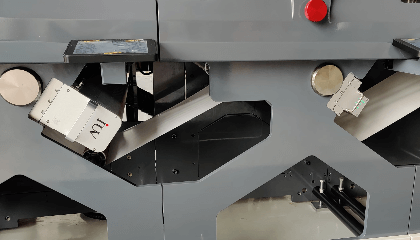
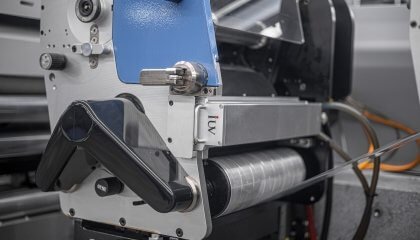
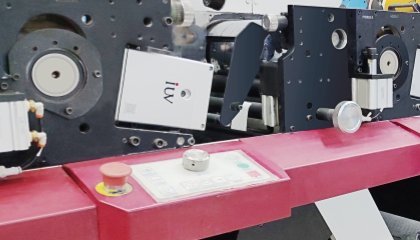
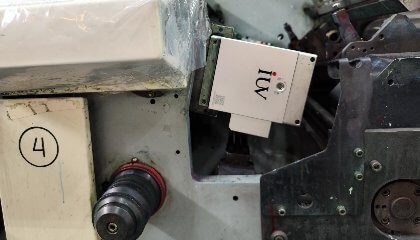
  3. Installation and Integration: Professional installation is key. The UV unit needs to be correctly positioned to align with the print stations. Power and control systems must be safely integrated into the press’s existing infrastructure. This ensures optimal performance and operator safety.
  4. Ink and Coating Selection: Once the system is in place, you’ll need UV-curable inks and coatings. There’s a vast array available, formulated for different printing processes and desired finishes. Your ink supplier can guide you on the best choices for your specific application.
  5. Operator Training: Proper training for your press operators is essential. They need to understand how to operate the UV system safely and effectively, including maintenance procedures and troubleshooting.

Achieving Improved Results

Retrofitting with UV curing isn’t just about adopting new technology; it’s about achieving tangible improvements.

  • Enhanced Durability: UV-cured inks and coatings are exceptionally resistant to abrasion, chemicals, and fading. This means your printed products will look better for longer.
  • Superior Print Quality: Achieve sharper images, brighter colors, and higher gloss finishes. The instant cure prevents ink spread, allowing for greater detail and smoother transitions.
  • Increased Productivity: Faster drying times mean quicker turnaround on jobs. Eliminate bottlenecks associated with traditional drying methods. Your press can run at higher speeds.
  • Broader Substrate Range: Print on a wider variety of materials, including non-porous substrates like plastics and foils, which are often challenging for conventional inks.
  • Cost Savings: Lower energy consumption with LED UV, reduced waste from smudging, and longer equipment lifespan contribute to significant operational cost reductions over time.
  • Environmental Benefits: UV curing produces very low VOC (Volatile Organic Compound) emissions, contributing to a healthier workplace and a reduced environmental footprint.

Conclusion

Upgrading your printing press with a UV curing system is a strategic investment. Whether you’re in label printing, flexography, offset, or narrow web, the benefits in quality, speed, and versatility are undeniable. By carefully considering the retrofitting process and choosing the right technology, you can unlock new levels of performance and competitiveness in your printing business. Embrace the power of UV curing for superior results.


Contact IUV Curing Experts

滚动至顶部