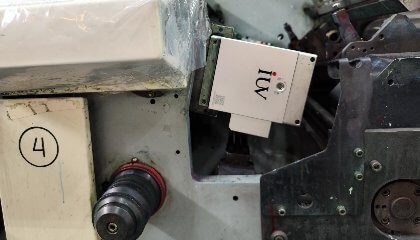
Achieving consistent print quality is a top priority for any label and packaging printer. In the competitive world of narrow web printing, especially with techniques like flexography and offset lithography, every detail matters. This is where advanced UV curing systems become indispensable tools. Leveraging LED UV curing technology can dramatically enhance your print consistency and overall production efficiency.
Understanding UV Curing for Print Consistency
UV curing is a photochemical process. It uses ultraviolet light to instantly solidify or “cure” inks, coatings, and adhesives. This instant drying prevents ink from spreading, which is crucial for maintaining sharp detail and vibrant colors. Traditional methods often involve heat or solvent evaporation, which can lead to inconsistencies and environmental concerns. UV curing offers a cleaner, faster, and more reliable alternative.
The core of UV curing lies in photoinitiators within the ink. When exposed to UV light of a specific wavelength, these initiators absorb energy and trigger a rapid polymerization reaction. This reaction transforms the liquid ink into a solid, durable film. The efficiency and effectiveness of this process directly impact print consistency.
Why LED UV Curing is a Game-Changer
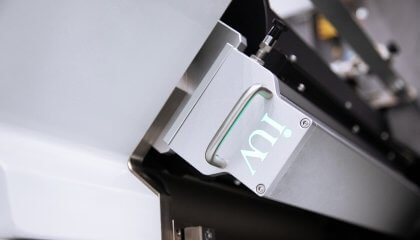
While traditional mercury vapor lamps have been used for UV curing, LED UV curing technology represents a significant leap forward. LEDs emit UV light at very specific wavelengths. This targeted emission ensures that the photoinitiators in the ink are activated precisely as intended. This specificity is a key factor in achieving superior print consistency across the entire print run.
LED UV systems offer several advantages over older technologies. They have a much longer lifespan, meaning fewer replacements and less downtime. They are also more energy-efficient, consuming less power and generating less heat. This reduced heat output is particularly beneficial in narrow web printing, where substrates can be sensitive to temperature fluctuations.
Controlling heat is vital for print consistency. Excessive heat can cause substrate shrinkage or distortion, leading to misregistration and inaccurate color reproduction. LED UV lamps emit very little heat, maintaining a stable printing environment. This stability is fundamental for keeping ink dot gain predictable and maintaining precise registration, essential for high-quality labels.
Improving Print Consistency with Flexographic Printing
Flexography is a versatile printing method widely used for labels and flexible packaging. Achieving consistent ink transfer in flexo is paramount. UV-curable inks are an excellent choice for flexo because they dry instantly upon curing. This prevents ink from spreading on the anilox roll or the plate, ensuring sharp and clear images.
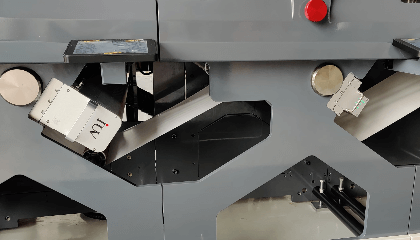
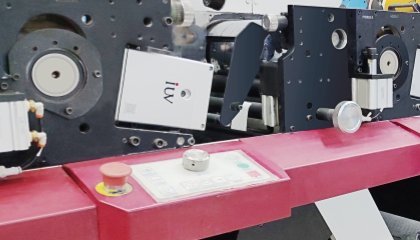
Advanced LED UV curing systems integrate seamlessly with flexographic presses. They provide uniform UV energy across the web. This uniformity ensures that the ink cures consistently from the first impression to the last. Without proper curing, inks can remain tacky, leading to smudging, picking, or set-off issues on the back of the next sheet or web. Consistent UV curing eliminates these problems, directly enhancing the final print quality and reducing waste.
The precise control offered by LED UV systems allows printers to fine-tune the curing process. This means matching the UV output to the specific ink formulation and substrate. This level of customization is critical for achieving repeatable results batch after batch.
Enhancing Offset Lithography with UV Curing
Offset lithography, or offset printing, is known for its exceptional print quality and detail. UV-curable inks are equally beneficial in offset, particularly for narrow web label printing. The instant curing of UV inks in offset presses means that printed sheets can be handled immediately without the risk of smudging.
In offset printing, the ink film thickness and transfer are critical. UV-curable inks, when properly cured, form a robust and consistent ink film. Advanced LED UV curing systems ensure that this film is fully cured, regardless of speed or coverage. This prevents issues like back-translation (ink transferring from the sheet to the blanket of the next sheet) and ensures that the printed image remains sharp and defined.
The ability to achieve a dense, vibrant color with UV inks in offset printing, coupled with consistent curing, results in packaging that stands out. For labels, where visual appeal is key, this consistency translates directly to consumer engagement and brand perception.
Narrow Web Printing and the UV Advantage
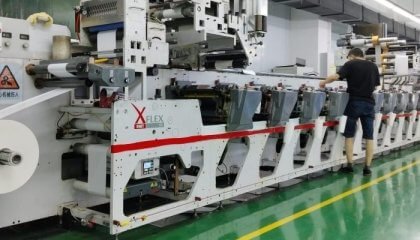
Narrow web printing typically deals with substrates ranging from a few inches to around 20 inches in width. This format is common for producing labels, stickers, and small packaging. In this high-speed, high-volume environment, efficiency and consistency are non-negotiable.
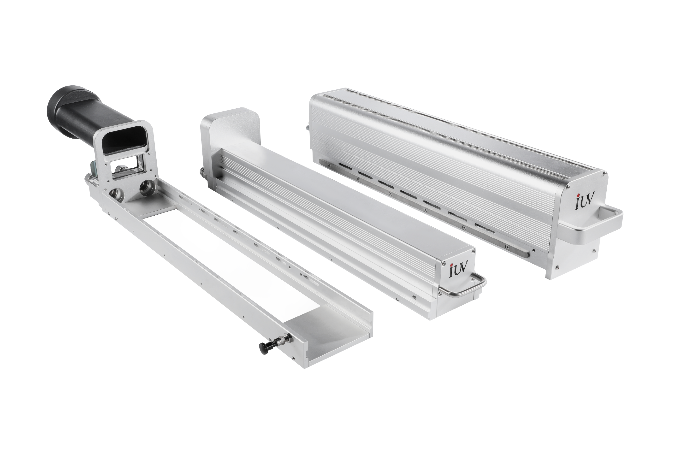
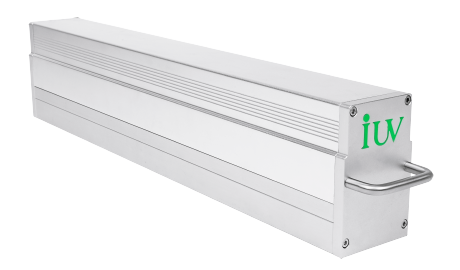
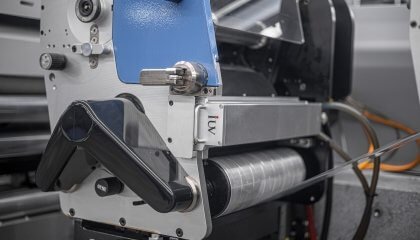
LED UV curing systems are perfectly suited for narrow web presses. Their compact design allows for easy integration, and their instant curing capabilities mean presses can run at maximum speeds without compromising print quality. The precise control over UV intensity and wavelength ensures that the inks cure reliably on a wide variety of substrates, from paper and film to specialized materials.
When a narrow web printer invests in an advanced LED UV curing system, they are investing in repeatability. This means that a job printed today will look identical to the same job printed next week, even if printed on a different press or at a different time of day. This consistency is invaluable for brand owners who demand exact color matching and flawless graphics on their products.
Optimizing Your UV Curing Setup
To maximize print consistency with advanced UV curing, several factors should be considered. First, ensure your UV lamps are correctly positioned to provide uniform coverage across the entire web width. Proper alignment is crucial for even curing.
Second, match your UV system’s output to your ink and substrate. Different ink formulations and substrates require specific UV wavelengths and intensities for optimal curing. Modern LED UV systems often allow for precise control over these parameters, enabling printers to dial in the perfect curing conditions.
Third, regularly maintain your UV curing equipment. This includes cleaning the UV lamps and checking for any signs of wear or damage. While LEDs are durable, proper care ensures they perform at their peak and deliver consistent UV output over their lifespan.
Finally, work with your ink and equipment suppliers. They can provide valuable insights into the best UV curing parameters for your specific applications. Collaboration is key to unlocking the full potential of UV curing technology.
The Future of Print Consistency
As the printing industry continues to evolve, the demand for higher quality and greater efficiency will only increase. Advanced LED UV curing systems are at the forefront of this evolution, offering printers the tools they need to achieve unparalleled print consistency. By embracing this technology, label and packaging printers can elevate their output, reduce waste, and gain a significant competitive edge in the market. Consistent quality isn’t just about aesthetics; it’s about reliability and trust.