<!-- Meta Pixel Code --> <!-- 结束元像素代码 -->

How to Extend the Life of UV Curing Systems in Flexographic Label Printing

How to Extend the Life of UV Curing Systems in Flexographic Label Printing

In the fast-paced world of narrow web flexographic label printing, efficiency and reliability are paramount. A key component in achieving this is the UV curing system. These powerful systems ensure inks and coatings cure instantly, allowing for high-speed production and durable, high-quality labels. However, like any sophisticated machinery, UV curing systems require proper care and attention to maximize their operational life and maintain peak performance. Neglecting their maintenance can lead to costly downtime, reduced print quality, and ultimately, a shorter system lifespan.

This article delves into practical strategies and best practices to help you extend the life of your UV curing systems in flexographic label printing. We’ll explore everything from understanding the technology to implementing proactive maintenance schedules.

Understanding UV Curing in Flexographic Printing

Before we dive into extending their life, a brief refresher on how UV curing works in flexographic label printing is beneficial. UV curing utilizes ultraviolet light to initiate a photochemical reaction, rapidly transforming liquid inks and coatings into a solid, durable film. In flexographic printing, especially for narrow web applications, this process is crucial for achieving sharp details, vibrant colors, and resistance to scuffing and chemicals, all while supporting high production speeds.

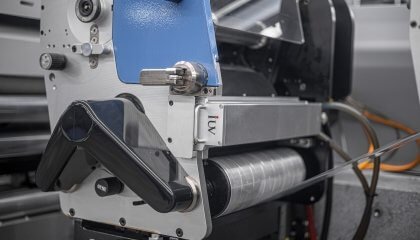
Traditional mercury vapor lamps have been the workhorse for years, emitting UV light across a broad spectrum. However, the industry is increasingly shifting towards LED UV curing. LED systems offer distinct advantages, including lower energy consumption, longer lifespan, reduced heat output, and an instant on/off capability. Regardless of whether you’re using mercury or LED technology, the principles of good care remain vital.

The Foundation of Longevity: Proper Installation and Initial Setup

The journey to a long-lasting UV curing system begins at installation. Ensuring the system is correctly specified for your press and application is the first step.

  • Ventilation is Key: Adequate ventilation around the UV unit is critical. It helps dissipate heat generated by the lamps or LEDs, preventing premature component failure and maintaining optimal operating temperatures. Proper air flow also removes ozone produced by mercury lamps, which is a safety hazard and can degrade certain materials.
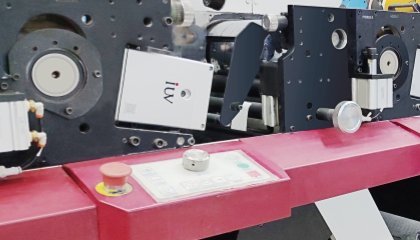
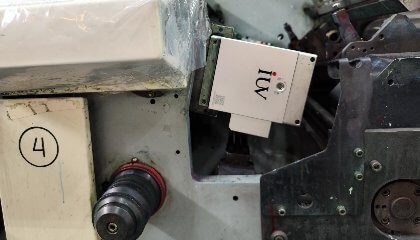
  • Alignment Matters: The UV curing unit must be precisely aligned with the printing stations. Misalignment can lead to uneven curing, impacting ink adhesion and the overall quality of the printed label. It also puts unnecessary stress on mechanical components.
  • Power Supply Stability: UV lamps and LEDs are sensitive to power fluctuations. Ensure a stable and consistent power supply to prevent damage to the power supply units and the lamps/LEDs themselves.

Proactive Maintenance: The Cornerstone of Extended System Life

A proactive maintenance strategy is far more effective and economical than reactive repairs. Regular checks and scheduled servicing can prevent minor issues from escalating into major problems.

1. Lamp and Reflector Maintenance (for Mercury Vapor Systems)

For presses still utilizing mercury vapor lamps, regular maintenance of the lamps and their reflectors is essential.

  • Lamp Inspection: Periodically inspect the UV lamps for any signs of damage, such as cracks or discoloration. Dirty or degraded lamps emit less UV energy, leading to under-curing.
  • Cleaning Reflectors: The internal reflectors are designed to direct UV light onto the substrate. Dust and ink overspray can accumulate on them, significantly reducing the amount of UV energy reaching the ink. Clean reflectors regularly with a lint-free cloth and a suitable cleaning agent.
  • Lamp Replacement Schedule: Mercury lamps have a finite lifespan. While they may continue to emit light, their UV output diminishes over time. Adhering to the manufacturer’s recommended replacement schedule, even if the lamps appear functional, ensures consistent curing power.

2. LED Head Cleaning and Inspection

LED curing systems, while generally more robust, also require diligent care.

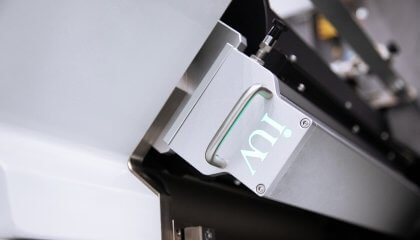
  • Keep Them Clean: The protective cover over the LED emitters is crucial. Dust, ink, and solvent residues can build up, blocking UV light and reducing curing efficiency. Clean these surfaces regularly using a soft, lint-free cloth and an appropriate, non-abrasive cleaning solution. Avoid harsh chemicals that could damage the optics.
  • Inspect for Damage: While LEDs are solid-state devices, the optics and housing can be susceptible to damage from impact or aggressive cleaning. Inspect the LED heads for any physical damage.
  • Thermal Management: Ensure the cooling systems for LED heads (fans, heat sinks, water cooling) are functioning optimally. Overheating is a primary cause of LED failure. Check for dust buildup in cooling vents or on heat sinks.

3. Shutter and Interlock System Checks

Safety shutters and interlocks are vital for operator safety and for protecting the UV lamps/LEDs from accidental exposure to the atmosphere.

  • Functionality Test: Regularly test the operation of the shutters to ensure they open and close smoothly and at the correct times.
  • Interlock Integrity: Verify that all safety interlocks are functioning correctly. These prevent the UV lamps from operating when the press is stopped or when access panels are open.

4. Power Supply Unit (PSU) Checks

The PSUs are the brains of the curing system, regulating power to the lamps or LEDs.

  • Listen for Unusual Noises: PSUs can sometimes emit audible cues if they are struggling. Listen for humming or buzzing sounds that deviate from normal operation.
  • Temperature Monitoring: PSUs generate heat. Ensure they are operating within their specified temperature range. Good ventilation around the PSU is as important as it is for the curing unit itself.
  • Professional Servicing: Consider having PSUs professionally inspected and serviced at recommended intervals.

Environmental Factors and Their Impact

The environment in which your UV curing systems operate can significantly influence their longevity.

  • Cleanliness of the Pressroom: A clean pressroom minimizes airborne contaminants that can settle on UV components. Regular general cleaning of the press and surrounding areas is a preventative measure.
  • Temperature Control: While UV curing generates heat, extreme ambient temperatures can stress the components, particularly the PSUs and LED cooling systems. Maintaining a stable, moderate pressroom temperature is beneficial.
  • Humidity: High humidity can sometimes lead to condensation or corrosion issues, especially in electrical components. While less common in typical printing environments, it’s a factor to consider in certain locations.

Smart Operational Practices for Label Printers

Beyond physical maintenance, how you operate your UV curing systems also plays a role.

  • Gradual Ramp-Up/Down: For mercury vapor lamps, avoid frequent on/off cycles. It’s generally better to keep them on during a print run, even during short breaks, as the stress of starting up and shutting down can shorten lamp life. LED systems, however, are designed for instant on/off, making them ideal for job changes.
  • Correct Power Settings: Always use the appropriate power settings for your inks, coatings, and substrates. Running at excessively high power when not needed can increase heat and potentially degrade components faster. Conversely, insufficient power leads to poor cure.
  • Ink and Coating Selection: Some UV inks and coatings require specific UV wavelengths or higher energy levels for proper curing. Ensure your UV system is compatible with the consumables you are using. Consult your ink and UV system manufacturers.

When to Consider Upgrading: Beyond Maintenance

While this article focuses on extending the life of existing systems, there comes a point when an upgrade might be the more sensible and cost-effective option.

  • Decreasing UV Output: If your current system consistently struggles to achieve adequate cure, even after thorough maintenance, its UV output may have degraded beyond repair.
  • Energy Inefficiency: Older mercury lamp systems are significantly less energy-efficient than modern LED systems. An upgrade can lead to substantial cost savings on electricity.
  • Lack of Compatibility: If you’re adopting new inks, coatings, or substrates that require specific UV spectrums or higher intensities, your existing system might not be capable of meeting these demands.
  • Frequent Breakdowns: Persistent breakdowns and costly repairs are clear indicators that a system is nearing the end of its useful life and an upgrade should be considered.

Conclusion: A Strategic Approach to UV System Longevity

Investing in the longevity of your UV curing systems in flexographic label printing is an investment in your overall production efficiency and profitability. By understanding the technology, implementing a robust preventative maintenance program, paying attention to operational practices, and maintaining a clean environment, you can significantly extend the lifespan of your UV equipment. Regular inspections, timely component replacements, and a commitment to cleanliness will ensure your UV systems continue to deliver high-quality results and reliable performance for years to come. Treat your UV curing system with the care it deserves, and it will reward you with consistent, high-speed printing and a greater return on your investment.


Contact IUV Curing Experts

滚动至顶部