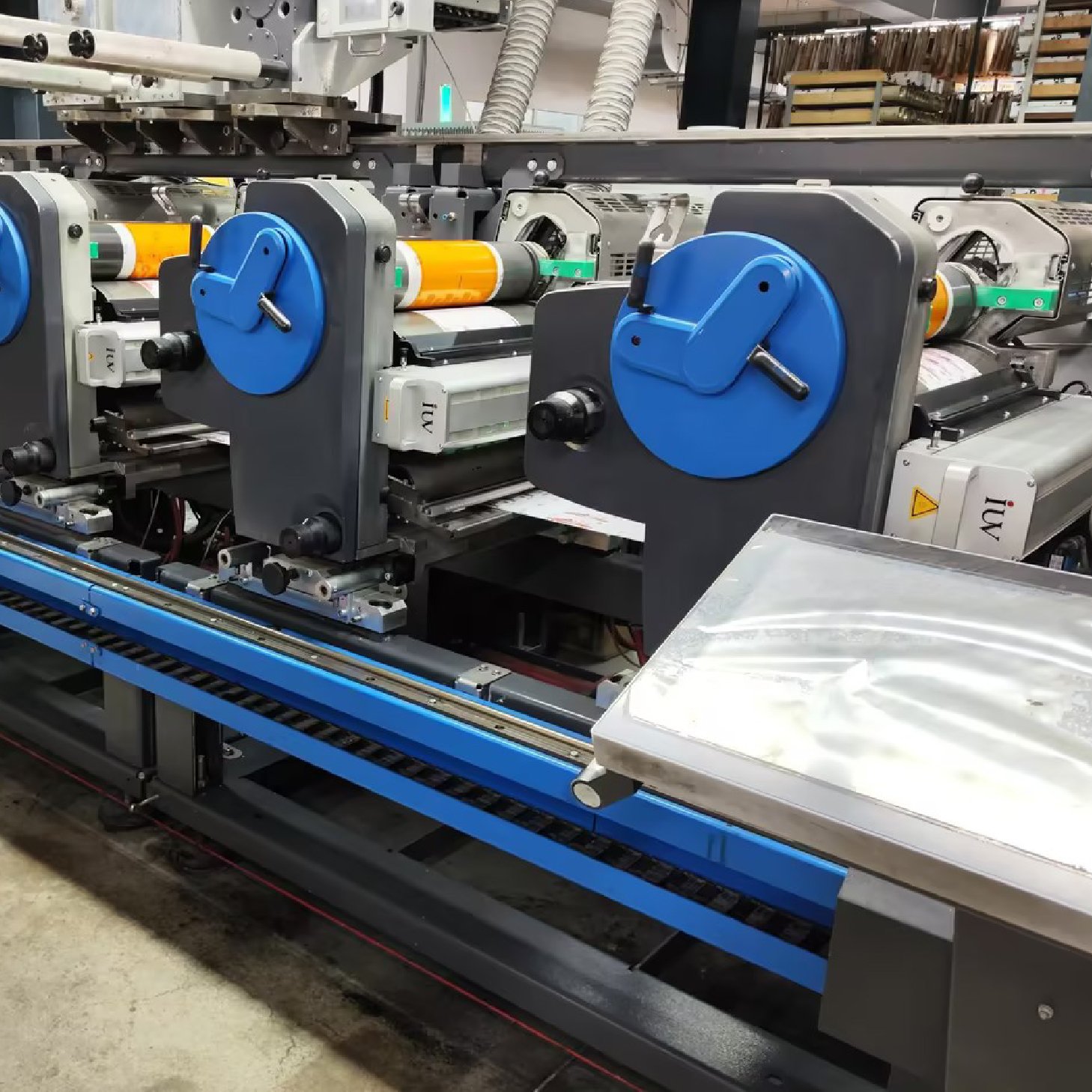
High-quality label production demands precision and efficiency. Achieving vibrant colors, sharp details, and durable finishes often hinges on the curing technology employed. LED UV curing systems have revolutionized this process, offering significant advantages over traditional methods. But with numerous options available, selecting the best LED UV system for your specific label printing needs can feel like navigating a maze. This guide will equip you with the knowledge to make an informed decision.
Understanding the Core of LED UV Curing
Before diving into selection criteria, let’s establish a foundational understanding. UV curing uses ultraviolet light to instantly dry or “cure” inks, coatings, and adhesives. LED UV curing systems utilize Light Emitting Diodes (LEDs) as their UV light source. This contrasts with older mercury vapor lamp technologies. LEDs offer several key benefits: they are energy-efficient, have a long lifespan, produce less heat, and are more environmentally friendly. For label printers, this translates to lower operating costs, reduced downtime, and the ability to print on a wider range of heat-sensitive substrates.
Why LED UV is Crucial for Label Printing
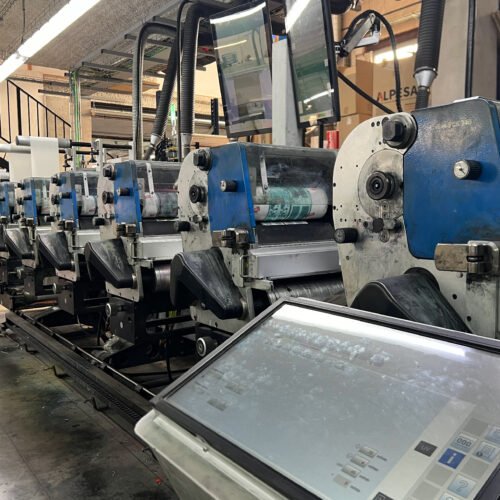
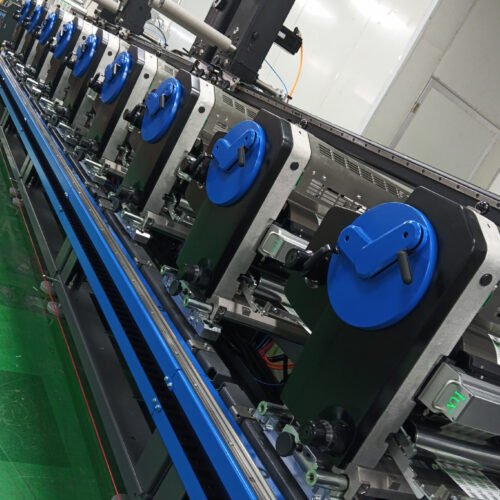
The label printing industry, particularly in narrow web flexographic and offset printing, thrives on speed and flexibility. LED UV curing perfectly complements these demands.
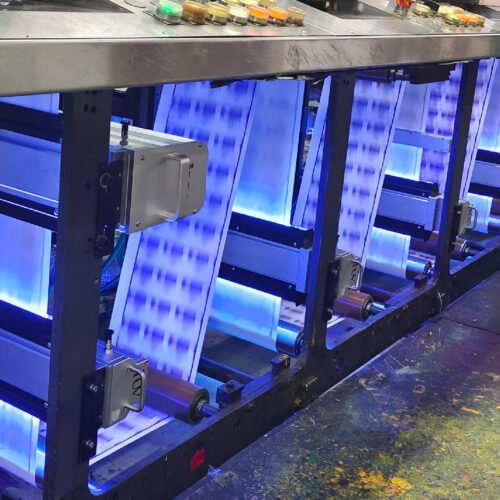
- Flexographic Printing: In narrow web flexo, high speeds are paramount. LED UV systems allow inks to cure almost instantaneously as they pass through the press. This prevents ink transfer issues, enables faster production speeds, and ensures consistent print quality across long runs. The precise wavelength control of LEDs also ensures optimal cure for specific flexo inks.
- Offset Printing: For offset label printing, especially in narrow web applications, achieving sharp dots and smooth ink laydown is critical. LED UV curing helps prevent ink spread and maintains image fidelity. It also allows for immediate handling of printed sheets, reducing wait times and improving workflow.
- Substrate Versatility: Many labels are printed on plastic films, foils, or coated papers. Traditional curing methods can warp or damage these delicate substrates due to excessive heat. LED UV systems emit very little heat, making them ideal for printing on thin, heat-sensitive materials without compromising their integrity or appearance.
- Durability and Performance: High-quality labels often require resistance to abrasion, chemicals, and UV light exposure. LED UV cured inks and coatings achieve a high level of cross-linking, resulting in robust finishes that withstand demanding conditions. This is particularly important for product labels in industries like food, beverage, and automotive.
Key Factors When Choosing an LED UV System
Selecting the right LED UV system involves a careful evaluation of your printing process, application requirements, and budget.
1. Wavelength and Spectral Output
LEDs emit UV light within a narrow band of wavelengths. This is a significant advantage. Different UV inks and coatings are formulated to cure most effectively at specific wavelengths.
- Common Wavelengths: The most prevalent wavelengths for UV curing are typically around 365 nm, 385 nm, 395 nm, and 405 nm.
- Ink/Coating Compatibility: You must ensure the LED UV system’s wavelength output matches the requirements of your chosen inks and coatings. Consult with your ink supplier to determine the optimal spectral output for their products. Using the wrong wavelength can lead to incomplete curing, poor adhesion, and compromised print quality.
- Multiple Wavelengths: Some advanced systems offer multiple wavelength outputs, providing greater flexibility for a wider range of inks and applications.
2. Irradiance (Intensity)
Irradiance refers to the power density of the UV light, measured in watts per square centimeter (W/cm²). This directly impacts curing speed.
- Higher Irradiance = Faster Curing: A higher irradiance level allows for faster curing speeds. For high-speed narrow web presses, particularly in flexo, higher irradiance is often necessary to keep pace with the printing speed.
- Application Specifics: The required irradiance depends on ink/coating thickness, color intensity, and substrate opacity. Darker or thicker ink layers will require more UV energy to cure fully.
- Balancing Speed and Quality: While higher irradiance is attractive for speed, it’s crucial to ensure it doesn’t cause substrate degradation or ink scorching.
3. Cooling System
Even though LEDs produce less heat than mercury lamps, they still generate some. An effective cooling system is vital for maintaining optimal LED performance and longevity.
- Air Cooling: Suitable for lower-power applications or less demanding environments. It’s generally more cost-effective.
- Water Cooling: Essential for high-power systems and high-speed printing. Water cooling efficiently dissipates heat, preventing LED degradation and ensuring consistent output over extended print runs. This is critical for maintaining stable irradiance.
- System Integration: The cooling system should be integrated seamlessly with the press and the LED UV unit to manage heat effectively without adding complexity to the operation.
4. Lamphead Design and Size
The physical design of the LED lamphead is important for integration into your printing press and for effective light delivery.
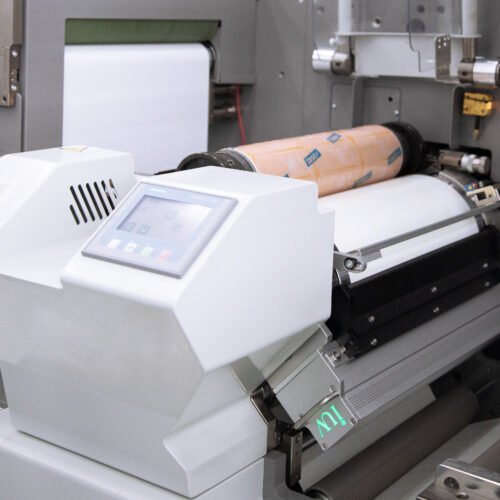
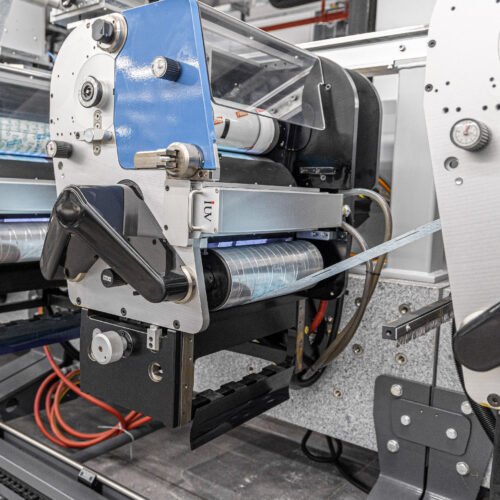
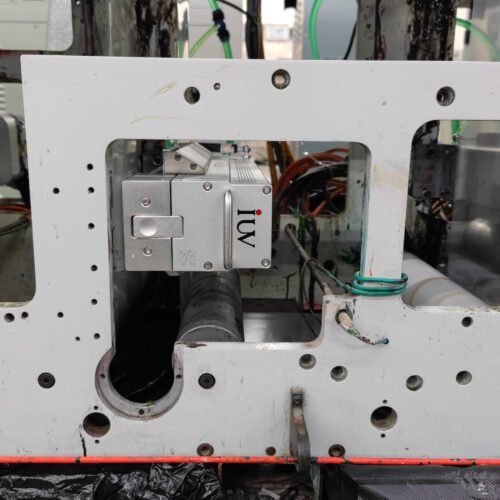
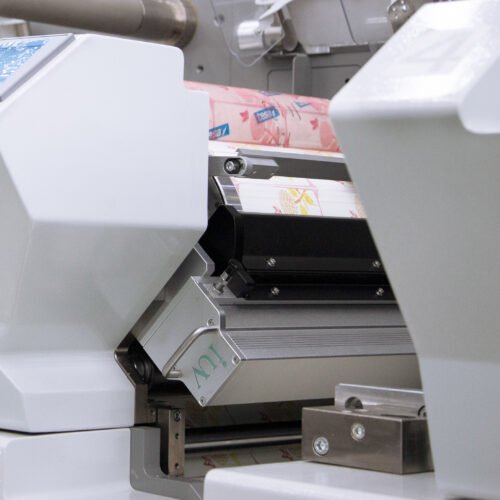
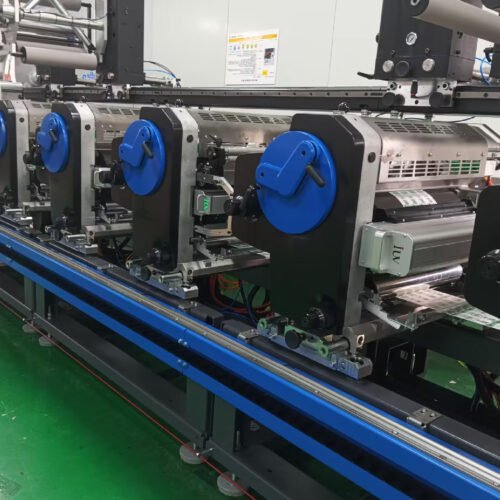
- Narrow Web Integration: For narrow web presses (flexo and offset), compact lampheads that can be easily installed between print stations or in delivery units are crucial.
- Uniformity: Look for designs that ensure uniform UV energy distribution across the entire web width. Uneven curing can lead to inconsistent print quality and performance.
- Durability: The lamphead should be robust enough to withstand the demanding environment of a printing press.
5. Control and Monitoring Features
Modern LED UV systems offer sophisticated control options.
- On/Off Control: Simple on/off functionality is standard.
- Power Adjustment: The ability to adjust UV power output allows for fine-tuning of curing based on specific jobs and inks. This is critical for optimizing quality and managing energy consumption.
- Monitoring: Real-time monitoring of UV intensity and lamp temperature provides valuable data for process control and troubleshooting. Some systems offer diagnostic capabilities to alert operators to potential issues.
- Integration with Press Controls: Ideally, the LED UV system should integrate with your press controls for seamless operation and automated job setup.
6. Energy Efficiency and Cost of Ownership
While the initial investment in an LED UV system can be higher than traditional methods, the long-term benefits are substantial.
- Lower Energy Consumption: LEDs consume significantly less power than mercury lamps, leading to reduced electricity bills.
- Longer Lifespan: LED arrays have a lifespan of 20,000 to 30,000 hours or more, compared to 1,000-2,000 hours for mercury lamps. This drastically reduces replacement costs and downtime.
- Reduced Maintenance: Fewer lamp changes and less maintenance mean lower operational expenses.
- Environmental Benefits: Reduced energy use and no mercury disposal contribute to a more sustainable printing operation.
7. Supplier Reputation and Support
Choosing a reputable supplier is as important as choosing the right technology.
- Technical Expertise: Ensure the supplier has deep knowledge of both LED UV technology and the printing industry, especially narrow web, flexo, and offset printing.
- Application Support: The supplier should be able to provide expert advice on system selection, installation, and optimization for your specific label production requirements.
- After-Sales Service: Reliable technical support, spare parts availability, and maintenance services are critical for minimizing downtime.
Integrating LED UV into Your Label Printing Workflow
- Retrofitting vs. New Equipment: LED UV systems can often be retrofitted into existing narrow web presses, offering a cost-effective upgrade path. For new press purchases, integrated LED UV curing should be a key consideration.
- Operator Training: Proper training for your press operators on the operation, maintenance, and troubleshooting of the LED UV system is essential for maximizing its benefits.
- Ink and Coating Management: Work closely with your ink and coating suppliers to ensure they are optimized for your chosen LED UV system.
Conclusion: Illuminating Your Path to Superior Label Production
Selecting the best LED UV system for high-quality label production is a strategic decision that impacts speed, quality, cost, and versatility. By carefully considering the wavelength, irradiance, cooling, design, control features, and the supplier’s reputation, you can invest in a technology that will illuminate your production capabilities. An LED UV system, when properly chosen and implemented, is not just an upgrade; it’s a fundamental enhancement to your label printing operation, paving the way for consistently superior results and a competitive edge in the market.