Mastering UV Curing: Avoiding Pitfalls in High-Volume Flexo and Offset Printing
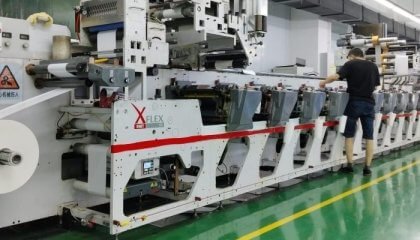
In the demanding world of high-volume label printing, achieving consistent, high-quality results with UV curing is paramount. Whether you’re running a flexographic or offset press, encountering issues with UV curing can lead to costly downtime, material waste, and dissatisfied clients. As a print engineer with years of hands-on experience and a deep understanding of SEO, I’ve seen firsthand the challenges printers face. This guide dives into the common UV curing problems in narrow web flexo and offset printing and provides actionable solutions.
Understanding UV Curing: The Foundation of Quality
UV curing is a photochemical process where ultraviolet light initiates a rapid polymerization reaction. This transforms liquid inks, coatings, or adhesives into a solid, durable film. The key players in this process are the UV lamp (mercury vapor, LED), the photoinitiators within the ink, and the energy delivered. For optimal results, the UV energy must be sufficient to cure the entire ink film thickness uniformly. This balance is crucial for achieving desired properties like scratch resistance, chemical resistance, and adhesion.
Common UV Curing Challenges in Flexo and Offset Printing
High-volume printing environments, characterized by fast press speeds and tight deadlines, amplify the impact of UV curing issues. Let’s break down the most frequent problems:
1. Incomplete Curing (Undercuring)
This is perhaps the most prevalent issue. Incomplete curing results in inks and coatings that remain tacky, can be easily scratched, or may not achieve their full adhesive or resistance properties.
- Causes:
- Insufficient UV Energy: This can stem from a weak or failing UV lamp, incorrect lamp intensity settings, or a lamp that’s too far from the substrate. For LED curing, this often relates to incorrect power density (W/cm²).
- High Press Speed: As press speeds increase, the exposure time to UV light decreases. If the UV power isn’t increased proportionally, curing will be incomplete.
- Thick Ink/Coating Layers: Denser or thicker films absorb more UV light, preventing it from reaching the bottom layers. Opaque inks, particularly white or heavy pigmented colors, are notorious for this.
- Ink Formulation Issues: Photoinitiators may be insufficient, expired, or incompatible with the UV lamp’s spectrum (especially critical with LEDs).
- Substrate Absorption/Reflection: Highly absorbent substrates can “steal” UV energy, while highly reflective ones can bounce it away, reducing effective delivery.
- Contamination on Lamp or Reflector: Dust or ink buildup can block UV light.
- Solutions:
- Energy Measurement: Regularly use a radiometer to measure the UV energy output at the substrate. Ensure it meets the ink manufacturer’s recommendations.
- Lamp Maintenance: Replace mercury lamps according to manufacturer guidelines (typically after 800-1000 hours). Clean lamp sleeves and reflectors regularly. For LEDs, monitor their lifespan and cooling systems.
- Adjust Press Speed/UV Power: If speed is increased, compensate by increasing UV lamp power or ensuring sufficient exposure time. For LEDs, adjust the power output.
- Optimize Ink Laydown: Work with ink suppliers to achieve the thinnest possible ink film that provides adequate color density and opacity. Consider using higher pigment load inks if necessary.
- Color Matching: Be aware that different colors of ink absorb UV light differently. Test cure for each color.
- Substrate Testing: Perform tests to understand how your chosen substrate interacts with UV light.
2. Over-Curing and Yellowing
While less common than under-curing, over-exposure to UV light can also cause problems, primarily yellowing of whites and clear coatings, and embrittlement of the cured film.
- Causes:
- Excessive UV Energy: Prolonged exposure or excessively high UV power settings.
- High Ambient Temperature: Overheating of the substrate due to prolonged UV exposure combined with press friction.
- Certain Ink Formulations: Some photoinitiators can degrade and cause yellowing with overexposure.
- Solutions:
- Precise Energy Control: Ensure UV power is set appropriately and not excessively high.
- Cooling Systems: Utilize effective substrate cooling systems, especially with high-speed, high-energy UV curing.
- Ink Supplier Consultation: Discuss potential yellowing issues with your ink manufacturer.
3. Poor Adhesion
When UV-cured inks or coatings don’t adhere properly to the substrate, it leads to delamination, scratching, and functional failures.
- Causes:
- Incomplete Curing: This is a primary culprit. If the ink isn’t fully polymerized, it won’t bond strongly.
- Substrate Surface Contamination: Oils, release agents, or static electricity on the substrate can prevent proper ink wetting and adhesion.
- Low Surface Energy Substrates: Some plastics have very low surface energy, making it difficult for inks to adhere.
- Incorrect Ink/Coating Formulation: The chemical composition of the ink might not be compatible with the substrate.
- Insufficient Surface Treatment: For difficult-to-adhere substrates, corona or plasma treatment might be necessary.
- Solutions:
- Ensure Full Cure: Verify complete curing using adhesion tests (e.g., cross-hatch test, tape test).
- Substrate Preparation: Ensure substrates are clean and free from contaminants. Implement proper handling and storage procedures.
- Surface Treatment: Employ corona or plasma treatment where necessary, ensuring it’s correctly applied and maintained.
- Ink Compatibility: Consult with your ink supplier to select inks specifically formulated for your substrate.
4. Orange Peel / Poor Ink Laydown
This manifests as an uneven, textured surface on the cured ink or coating, often seen in flexographic printing.
- Causes:
- Excessive Ink Viscosity: Ink that is too thick won’t flow smoothly.
- Incorrect Anilox Roll: An anilox roll with too low a cell volume or improper cell engraving can lead to poor ink transfer.
- Excessive Impression Pressure: In flexo, too much pressure can deform the ink film.
- Drying in the Anilox Roll: Ink drying in the anilox cells before transfer.
- Solutions:
- Viscosity Control: Maintain ink viscosity within the recommended range for the press and anilox roll.
- Anilox Roll Selection: Use the correct anilox roll for the job. Consult with anilox suppliers.
- Impression Pressure Adjustment: Calibrate impression pressure correctly for flexo printing.
- Ink Fountain Additives: Use retarders or drying agents to prevent ink drying in the anilox.
5. Ink Transfer Issues (Offset)
In offset printing, problems with ink transfer from the plate to the blanket, and blanket to substrate, can indirectly affect UV curing by leading to uneven ink film thickness.
- Causes:
- Incorrect Plate/Blanket Rollers: Worn or incorrectly set rollers.
- Ink Tack Issues: Ink that is too sticky or not sticky enough.
- Dampening Solution Imbalance: Incorrect pH or alcohol content.
- Solutions:
- Regular Roller Maintenance: Inspect and clean rollers. Adjust pressure settings.
- Ink Tack Adjustment: Work with ink suppliers to achieve optimal tack.
- Dampening System Control: Monitor and maintain the dampening solution’s parameters.
The Role of LED UV Curing Technology
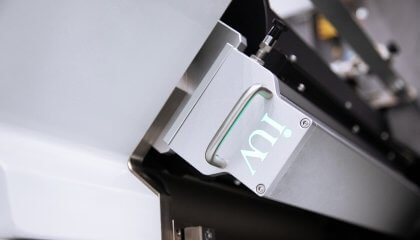
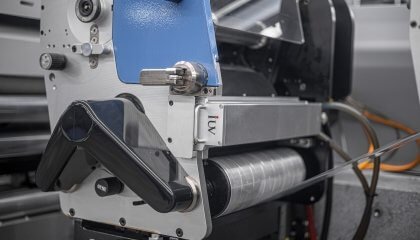
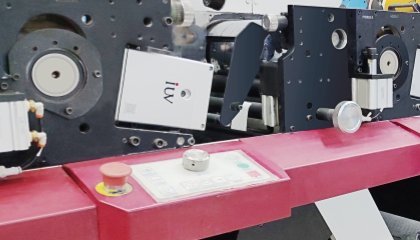
LED UV curing offers distinct advantages, including lower heat generation, longer lamp life, and specific wavelength output. However, it introduces its own set of considerations:
- Wavelength Specificity: LEDs emit narrow bands of UV light. The ink’s photoinitiators must be designed to absorb effectively at these specific wavelengths (e.g., 365nm, 395nm). Using standard mercury-compatible inks with LEDs will likely result in poor curing.
- Energy Density (mW/cm²): LEDs are often measured by their irradiance (power density), which is crucial for curing speed. Higher irradiance means faster curing.
- Cooling Requirements: While LEDs generate less heat than mercury lamps, effective cooling is still vital to maintain lamp performance and prevent substrate overheating.
Key takeaway for LED: Always ensure your inks and coatings are specifically formulated for the wavelength and power output of your LED UV system.
Best Practices for Seamless UV Curing
- Partner with Your Suppliers: Forge strong relationships with your ink, coating, substrate, and equipment suppliers. Their expertise is invaluable.
- Invest in Measurement Tools: A radiometer is non-negotiable for verifying UV energy output.
- Implement a Robust Maintenance Schedule: Regular cleaning and replacement of UV lamps and related components prevent many issues.
- Conduct Thorough Testing: Before a production run, always test cure on your specific substrate with your chosen ink and press conditions.
- Train Your Operators: Well-trained operators who understand the nuances of UV curing are your first line of defense against problems.
- Monitor Environmental Factors: Temperature and humidity can subtly affect ink behavior and drying.
By understanding the root causes of common UV curing issues and implementing these solutions and best practices, you can significantly improve the quality, efficiency, and profitability of your high-volume flexo and offset printing operations. The key lies in diligent process control, informed material selection, and continuous attention to detail.