The relentless pursuit of efficiency in narrow web printing often leads to increased press speeds. While faster production is a clear economic driver, it brings a critical question to the forefront: how does this elevated press speed truly impact the performance of UV inks? Understanding this relationship is paramount for achieving consistent quality, minimizing waste, and optimizing the entire narrow web production workflow, especially with the rise of LED UV curing technologies.
The Dynamics of UV Ink and High-Speed Printing
UV inks are formulated to cure rapidly upon exposure to ultraviolet light. This curing process involves photoinitiators within the ink absorbing UV energy, initiating a chain reaction that transforms the liquid ink into a solid, durable film. At lower press speeds, there’s ample time for the ink to spread evenly, for solvents (if any are present in hybrid inks) to begin evaporating, and for the UV energy to penetrate and cure the ink film thoroughly.
As press speeds escalate, the time available for these critical stages shrinks dramatically. This compressed timeframe introduces several potential challenges for UV ink performance.
Key Factors Affected by Press Speed
Several aspects of UV ink performance are directly influenced by the speed at which the web is moving through the press.
- Ink Transfer and Dot Gain: At higher speeds, the transfer of ink from the anilox roll to the printing plate, and then from the plate to the substrate, becomes more dynamic. In flexographic printing, for instance, the interaction between the ink, anilox cells, and the plate during impression is extremely brief. Insufficient dwell time can lead to incomplete ink transfer, resulting in lighter print and potential issues with fine details. Conversely, excessive pressure at high speeds can lead to increased dot gain, where ink spreads beyond the intended dot area, making fine screens appear coarser and potentially closing up shadow areas. This is particularly noticeable in label printing where intricate designs and fine text are common.
- Ink Rheology and Flow: The flow characteristics, or rheology, of UV ink are crucial for consistent print quality. At high speeds, the ink is subjected to greater shear forces within the anilox roll and the print station. If the ink’s viscosity and thixotropy are not optimally balanced for the press speed, it can lead to uneven ink laydown. This might manifest as mottling, banding, or inconsistent color density across the printed web.
- Curing Efficiency: This is perhaps the most direct and critical impact. The speed of the press dictates the exposure time the ink receives under the UV lamps. For effective curing, the UV energy must penetrate the ink film sufficiently to activate the photoinitiators and facilitate polymerization.
- Traditional Mercury Vapor Lamps: These lamps offer high energy output but have a relatively fixed output spectrum. At very high speeds, the total energy delivered to a specific point on the ink film can decrease, potentially leading to under-curing. This can result in inks that are still tacky, prone to smudging, and lack the necessary scratch and chemical resistance.
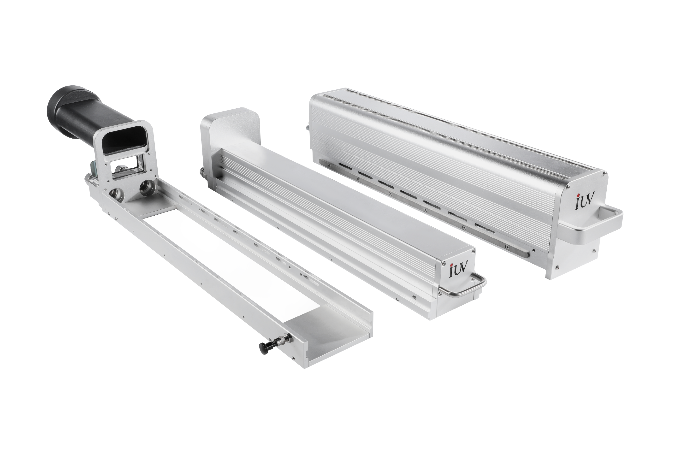
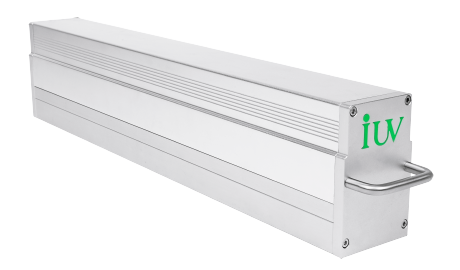
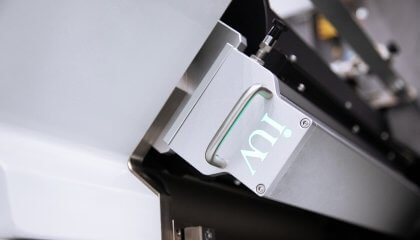
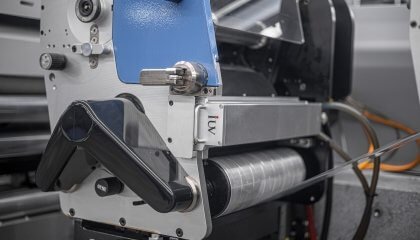
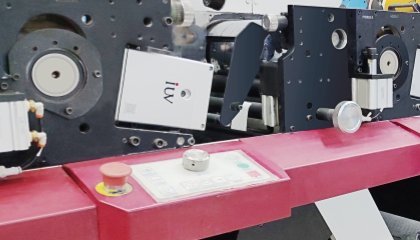
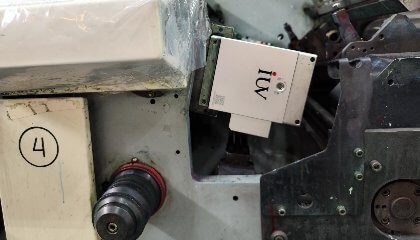
- LED UV Curing: LED systems offer a more controlled and targeted energy output, often at specific wavelengths. While LEDs can be highly efficient, their effective curing depth can be a limiting factor, especially with thicker ink films or higher press speeds. If the press speed is too high for the specific LED wavelength and energy output, the surface of the ink might appear cured, but the lower layers could remain uncured. This is a significant concern for label applications requiring robust performance.
- Substrate Interaction: The way the ink interacts with the substrate is also affected by speed. At higher speeds, there’s less time for the ink to “wet” the substrate surface. For porous substrates, this can lead to increased ink consumption and potential show-through. For non-porous films, insufficient wetting can compromise adhesion, especially under demanding conditions.
Optimizing UV Ink Performance at High Speeds
Achieving consistent and high-quality results at elevated press speeds requires a holistic approach involving ink formulation, press setup, and curing technology.
- Ink Formulation for Speed:
- Viscosity and Rheology: Inks designed for high-speed narrow web printing often have carefully adjusted rheological properties to maintain stable transfer and laydown. Formulators might incorporate specific rheology modifiers to ensure good flow under high shear without compromising viscosity.
- Photoinitiator Systems: The choice and concentration of photoinitiators are critical. For high-speed printing, inks may utilize photoinitiator packages that offer faster curing kinetics or absorb energy more efficiently within the spectrum of the available UV lamps. Hybrid inks, which also contain solvent components, might be formulated to release solvent more rapidly at higher temperatures generated by faster printing.
- Pigment Dispersion: Achieving optimal color strength and opacity at higher speeds requires excellent pigment dispersion. Poorly dispersed pigments can lead to inconsistent color and hinder UV light penetration, impacting cure.
- Press and Anilox Roll Selection:
- Anilox Roll Specifications: The cell volume and engraving pattern of the anilox roll must be precisely matched to the ink’s rheology and the desired ink film thickness. At higher speeds, a consistent and well-maintained anilox roll is even more crucial to ensure uniform ink transfer.
- Doctor Blade Setup: The angle and pressure of the doctor blade against the anilox roll are critical for clean ink transfer. Imprecise settings at high speeds can lead to anilox scoring or ink starvation.
- UV Curing System Considerations (LED UV vs. Mercury Vapor):
- Energy vs. Irradiance: It’s important to distinguish between UV energy (total amount delivered) and irradiance (intensity or power). High press speeds reduce the dwell time, meaning irradiance becomes even more critical to deliver sufficient total energy.
- LED Wavelength and Output: For LED UV curing, selecting lamps with wavelengths that are efficiently absorbed by the ink’s photoinitiators is key. The energy output (W/cm²) of the LED lamps must be sufficient to cure the ink film within the reduced exposure time dictated by press speed. This often means utilizing higher-power LED units and ensuring they are properly positioned and maintained.
- Cooling Systems: High-speed printing can generate significant heat, both from the web and the UV lamps themselves. Adequate cooling for both the substrate and the UV lamps is essential to prevent ink degradation, substrate distortion, and premature lamp failure, which can indirectly affect cure.
- Process Control and Monitoring:
- Ink Temperature: Monitoring and controlling ink temperature is vital. As ink is pumped and agitated at high speeds, it can heat up, altering its viscosity and flow properties.
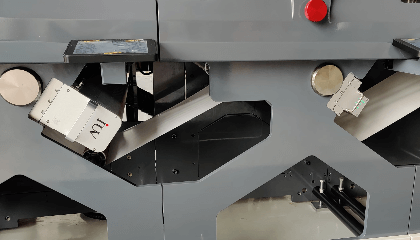
- Cure Monitoring: Implementing inline cure measurement tools can provide real-time feedback on the curing process, allowing for immediate adjustments to UV power or press speed if under-curing is detected. This is invaluable for maintaining consistent label quality.
The Role of Substrate
The substrate itself plays a significant role in how UV inks perform at different press speeds.
- Absorbency: Porous substrates like uncoated paper will absorb some of the ink vehicle, which can aid in faster drying/curing, even at higher speeds. However, too much absorption can lead to dull finishes and poor print definition.
- Surface Energy: Smooth, non-porous films often require inks with higher surface tension to achieve proper wetting and adhesion. At high speeds, ensuring adequate wetting and preventing defects like “fisheyes” becomes more challenging.
- Thermal Stability: Some substrates can degrade or deform at elevated temperatures generated by high-speed printing and UV curing. This necessitates careful substrate selection and potentially the use of chilled printing cylinders.
Conclusion
The relationship between press speed and UV ink performance in narrow web production is multifaceted. While increased speed offers undeniable productivity benefits, it demands a deeper understanding of ink rheology, transfer dynamics, and crucially, UV curing efficiency. For label printers and converters working with flexographic and offset presses, optimizing ink formulation, meticulously configuring press parameters, and leveraging modern LED UV curing technology are not just best practices – they are necessities. By carefully managing these variables, printers can successfully push their production speeds without compromising the quality, durability, and aesthetic appeal of their finished products.