The Light Path: How Optical Design Fuels LED UV Curing Performance
In the fast-paced realm of label printing, speed and quality are paramount. LED UV curing systems have revolutionized this space, offering instant drying and enhanced durability. But have you ever stopped to consider the unsung hero behind their impressive performance? It’s the optical design – the intricate dance of light that dictates how effectively those UV LEDs cure your inks and coatings.
Understanding the Core: LED UV Curing Basics
At its heart, UV curing uses ultraviolet light to initiate a photochemical reaction. This reaction transforms liquid inks, coatings, or adhesives into a solid, durable film. Traditional mercury lamps were the workhorses for years, but they came with drawbacks. They generated significant heat, had a limited lifespan, and contained hazardous materials.
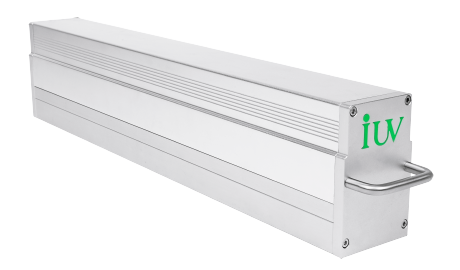
Enter LED UV curing. These systems use Light Emitting Diodes (LEDs) to produce UV light. LEDs offer a more focused, energy-efficient, and environmentally friendly solution. They emit specific wavelengths, allowing for precise control over the curing process. This precision is where optical design truly shines.
The Role of Optical Design: More Than Just Shining a Light
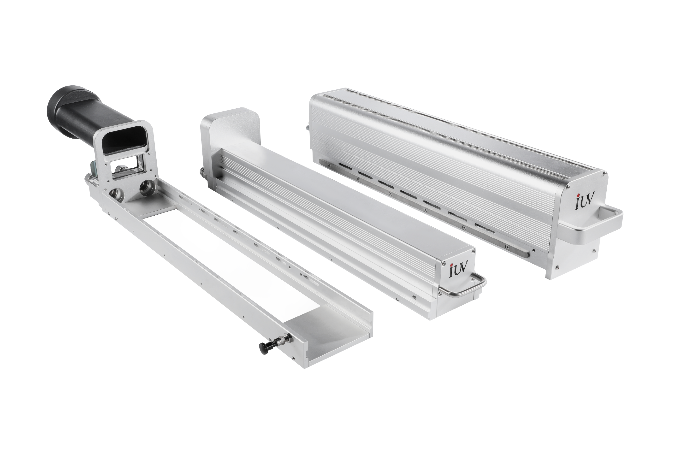
Think of optical design as the conductor of an orchestra, ensuring every instrument plays its part in perfect harmony. In LED UV curing, this means carefully crafting the path of light from the LED chip to the substrate. It’s not just about having powerful LEDs; it’s about directing that power precisely where it’s needed, with the right intensity and uniformity.
Key Optical Components and Their Impact
Several critical optical components work together to optimize LED UV curing performance. Understanding their function is key to appreciating how they influence your printing outcomes.
- Reflectors: These are designed to gather light emitted in non-target directions and redirect it towards the substrate. High-quality reflectors, often made from materials like anodized aluminum or specialized dielectric coatings, can significantly boost the usable irradiance (light intensity) reaching the ink. Poorly designed reflectors can lead to uneven light distribution, resulting in partially cured areas or inconsistent gloss levels.
- Lenses: Lenses are used to focus or collimate the light. Focusing lenses concentrate the UV energy onto a smaller area, increasing irradiance. Collimating lenses create a parallel beam of light, which can be beneficial for achieving uniform curing across a wider web. The material of the lens and its precise shape are critical. Aberrations or imperfections can scatter light, reducing efficiency and uniformity.
- Light Guides: In some systems, fiber optic light guides can be used to transmit UV light from the LED source to the point of application. This offers flexibility in system design, allowing the heat-generating LEDs to be placed away from the printing press. The efficiency of the light guide, its bend radius, and the quality of its internal reflective surfaces directly impact the light intensity delivered to the substrate.
Impact on Different Printing Processes
The nuances of optical design have a tangible effect on various printing methods commonly used for labels.
Narrow Web Flexographic Printing
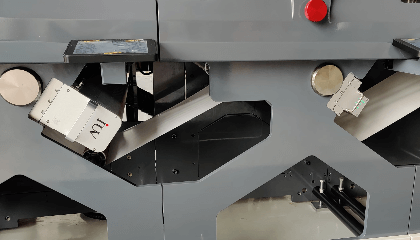
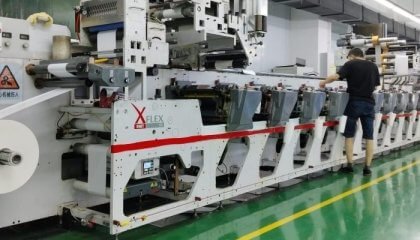
Flexography, especially in the narrow web sector for labels and flexible packaging, relies heavily on efficient UV curing. The high speeds mean very short exposure times. Optical systems must deliver maximum irradiance quickly and uniformly across the entire print width. Uneven curing can lead to ink lifting, poor adhesion, or a tacky surface, especially with high-build varnishes. A well-designed optical system ensures that even on fast runs, every part of the label receives adequate UV exposure.
Offset Lithography (Sheetfed and Web)
While more common in commercial printing, offset lithography is also used for certain label applications. In offset UV curing, the light needs to penetrate the ink layer effectively. The spectral output of the LEDs, combined with the optical design’s ability to deliver focused energy, is crucial for complete through-cure of thick ink films. Issues like “skinning” (surface cure with uncured ink beneath) can be exacerbated by suboptimal optical configurations.
Screen Printing
Screen printing often involves laying down very thick ink layers for vibrant colors, special effects, or functional coatings. Curing these thick layers requires significant UV energy. The optical design must be able to deliver high irradiance deep into the ink film without overheating the substrate or causing premature surface curing that traps uncured ink. A focused, intense beam is often preferred here.
Wavelength Matters: The LED Spectrum’s Influence
Beyond the optics, the specific wavelengths emitted by the LEDs are intrinsically linked to the ink chemistry. Different UV-curable inks and coatings are formulated to react to specific UV wavelengths (e.g., UVA, UVB, UVC).
- UVA (315-400 nm): Generally used for most inks and coatings.
- UVB (280-315 nm): Less common, can be used for specific applications.
- UVC (100-280 nm): Typically used for sterilization, not common in curing.
The optical system must efficiently deliver the chosen wavelength(s) to the ink. Even if the LEDs emit the correct wavelength, if the optical design scatters or loses too much of that light, the curing process will be compromised.
Achieving Uniformity: The Holy Grail of Curing
Perhaps the most significant impact of optical design is on the uniformity of the cured layer. An ideal optical system ensures that every square millimeter of the printed substrate receives the same dose of UV light.
- Edge Effects: Light intensity often drops off at the edges of the LED array. Good optical design minimizes this, preventing weaker cures at the sides of the label.
- Hot Spots: Conversely, poorly designed optics can create “hot spots” of excessive intensity, potentially damaging the substrate or causing uneven gloss.
- Consistent Gloss and Adhesion: Uniform curing translates directly to consistent gloss levels across the print area and reliable adhesion of inks and coatings, which is vital for label durability and performance.
Optimizing for Efficiency and Sustainability
A well-engineered optical system contributes significantly to the overall efficiency and sustainability of the UV curing process.
- Reduced Energy Consumption: By efficiently directing light, less energy is wasted. This means lower electricity bills and a smaller carbon footprint.
- Extended LED Lifespan: While LEDs are robust, operating them at extreme temperatures or fluctuating power levels can reduce their lifespan. Effective thermal management, often influenced by the surrounding optical components, plays a role.
- Faster Line Speeds: Optimized light delivery allows for faster curing, enabling printers to increase their production speeds without sacrificing quality.
The Bottom Line: Invest in Smart Optics
In the competitive label printing market, every advantage counts. When considering or upgrading your LED UV curing system, don’t underestimate the power of optical design. It’s not just about the LEDs themselves, but how their light is harnessed and directed. A sophisticated optical system is an investment that pays dividends in print quality, production efficiency, and operational cost savings. Partnering with manufacturers who prioritize robust optical engineering ensures your labels are cured perfectly, every time.