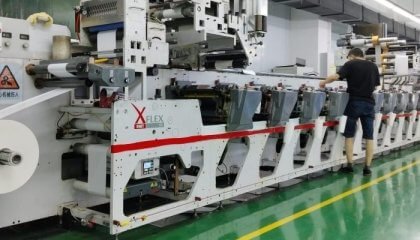
The world of labeling is constantly evolving. Businesses strive for packaging that grabs attention. They want to convey brand identity effectively. This is where advanced printing technologies play a crucial role. Narrow-web digital printing stands out. It offers unparalleled flexibility. It empowers designers with new creative avenues.
The Rise of Narrow-Web Digital Printing
Traditional printing methods have their place. However, they often come with limitations. Setup times can be lengthy. Minimum order quantities can be prohibitive. This is especially true for smaller brands or those with frequent design changes. Narrow-web digital printing bypasses many of these hurdles. It prints directly from digital files. This means no plates are needed. The process is faster. It is also more economical for shorter runs.
The “narrow-web” refers to the width of the material being printed. Typically, this is less than 20 inches. This format is ideal for labels and flexible packaging. It’s a highly efficient use of resources. Digital technology allows for on-demand printing. This is a game-changer for inventory management. It also facilitates customization.
Unlocking Creative Freedom with Digital Inkjets
At the heart of narrow-web digital printing lies inkjet technology. Modern digital presses utilize advanced inkjet heads. These heads precisely deposit ink onto the substrate. This precision translates directly into design possibilities. Designers are no longer constrained by the limitations of plates. They can explore intricate details. They can achieve fine lines and subtle gradients. This level of detail was previously difficult or impossible.
Color reproduction is another significant advantage. Digital presses can achieve a wider color gamut. This means more vibrant and accurate colors. Brands can ensure their packaging perfectly matches their visual identity. This consistency builds recognition and trust.
Variable Data Printing (VDP) is also a powerful digital capability. Each label can be unique. This opens doors for personalized marketing campaigns. Imagine labels with individual names or unique codes. This level of personalization was once unimaginable. It dramatically increases consumer engagement.
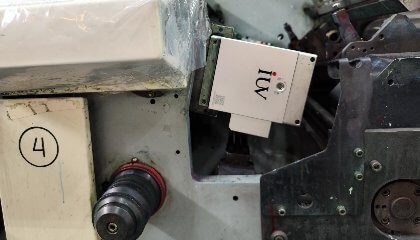
The Critical Role of LED UV Curing
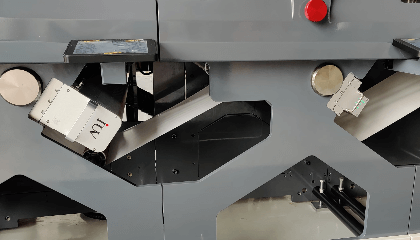
Digital printing inks need to dry instantly. This is where UV curing technology comes in. Ultraviolet (UV) curing uses UV light. This light initiates a photochemical process. It causes the ink to harden or “cure” almost instantaneously. This rapid curing is essential for high-speed printing. It prevents ink smudging. It ensures sharp, clean images.
Historically, mercury vapor lamps were used for UV curing. These lamps consumed a lot of energy. They generated significant heat. This heat could affect sensitive label materials. It could also warp substrates. Furthermore, mercury vapor lamps have a limited lifespan. They require frequent replacement.
The LED UV Advantage: Faster, Cooler, Greener
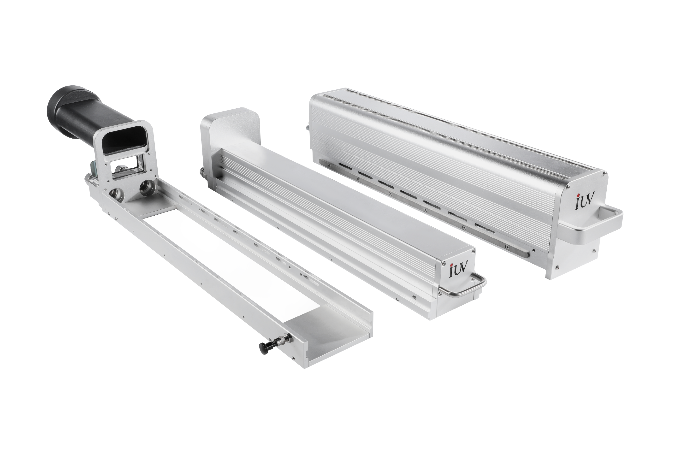
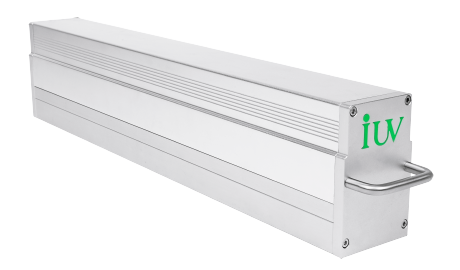
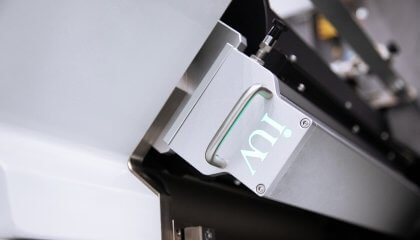
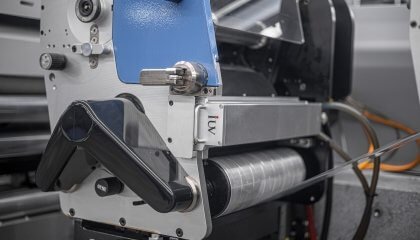
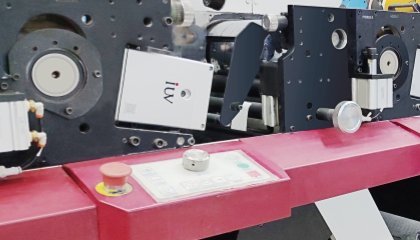
Light Emitting Diode (LED) UV curing is a significant advancement. LED lamps emit UV light more efficiently. They generate very little heat. This is a crucial benefit for label printing. Many label materials are sensitive to heat. Think of delicate films or shrink sleeves. LED UV curing avoids substrate distortion. It allows for printing on a wider range of materials.
LED UV lamps also have a much longer lifespan than traditional mercury lamps. They are more durable. They require less maintenance. This reduces operational costs. Their energy consumption is also considerably lower. This makes the printing process more environmentally friendly. It aligns with growing sustainability demands in the packaging industry.
The precise wavelength control of LED UV systems is also noteworthy. This allows for optimized curing of specific ink formulations. This ensures excellent ink adhesion and durability. The result is labels that are resistant to scuffing, chemicals, and fading. This robust performance is vital for product longevity.
Expanding Design Horizons: What’s Now Possible
The combination of narrow-web digital printing and LED UV curing unlocks a wealth of design opportunities.
- Intricate Graphics and Fine Details: Designers can now incorporate highly detailed artwork. Think of delicate filigree patterns or photographic-quality images. The precision of digital inkjet allows for this. LED UV curing ensures these details remain sharp and intact.
- Expanded Color Palettes: Achieve vibrant spot colors and smooth transitions. Digital presses can often replicate a wider range of PMS colors. This brings designs to life. It ensures brand colors are accurately represented.
- Special Effects Made Easy: Digital printing simplifies the application of special effects. This includes metallic inks, pearlescent finishes, and textured varnishes. These effects can be applied selectively. They add a premium feel to labels.
- Personalization and Versioning: As mentioned, VDP is a major asset. Brands can create unique labels for different markets or promotions. This fosters a deeper connection with consumers. It allows for targeted messaging.
- Short Runs and On-Demand Production: This isn’t strictly a design element, but it influences design strategy. Designers can be more experimental. They can create seasonal variations. They can test new aesthetics without large upfront investment. This agility is invaluable.
- Printing on Diverse Substrates: The low heat of LED UV curing means wider material compatibility. This includes sensitive plastics, textured papers, and even some metalized films. This opens up new tactile and visual experiences for labels.
Contrasting with Traditional Methods
Flexography and offset lithography are established label printing methods. Flexography is excellent for long runs. It can handle a wide range of inks and substrates. However, it requires custom printing plates for each design. This means longer lead times and higher setup costs. Offset lithography is known for its high print quality. It is also best suited for large volumes.
Narrow-web digital printing offers a different paradigm. It excels in flexibility and speed for shorter to medium runs. The absence of plates reduces costs and lead times. LED UV curing enhances this by allowing for faster processing and a broader material choice, often surpassing what is easily achievable with traditional heat-curing methods.
The Future is Digital and Sustainable
The trend towards narrow-web digital printing is accelerating. Its ability to deliver high quality, creative designs, and cost-effective short runs is compelling. The integration of LED UV curing technology further amplifies these benefits. It makes the process faster, more energy-efficient, and environmentally responsible.
For label designers, this represents an exciting evolution. The tools available are more powerful than ever. The constraints are fewer. The possibilities for creating visually stunning and functionally superior labels are expanding rapidly. Businesses that embrace this technology will undoubtedly gain a competitive edge. They will be able to connect with their audiences in more meaningful and memorable ways. The future of label design is bright, digital, and cured with light.