<!-- Meta Pixel Code --> <!-- 结束元像素代码 -->

How LED UV Curing Systems Reduce Energy Consumption in Narrow Web Printing

How LED UV Curing Systems Reduce Energy Consumption in Narrow Web Printing

Narrow web printing presents unique challenges and opportunities for energy efficiency. As businesses increasingly focus on sustainability and cost reduction, optimizing energy usage in printing processes becomes paramount. One of the most significant advancements in this area comes from the adoption of LED UV curing systems. These systems offer a compelling alternative to traditional methods, delivering not only superior print quality but also substantial energy savings in narrow web applications.

The Energy Demands of Traditional Curing

Historically, narrow web printing operations have relied on conventional UV curing technology, often employing mercury vapor lamps. These lamps generate UV light by passing an electrical current through mercury vapor. While effective for curing inks, this method is inherently energy-intensive. A considerable amount of the energy consumed by mercury lamps is released as heat, which is largely wasted in the curing process.

Furthermore, mercury lamps require a warm-up period before they reach their optimal operating temperature and intensity. This means that even when not actively printing, significant energy is consumed just to keep the lamps ready. For print shops with frequent job changes or intermittent production runs, this standby energy consumption can add up considerably over time. The heat generated also necessitates robust ventilation systems to manage the ambient temperature in the pressroom, adding another layer of energy expenditure.

Introducing LED UV Curing Technology

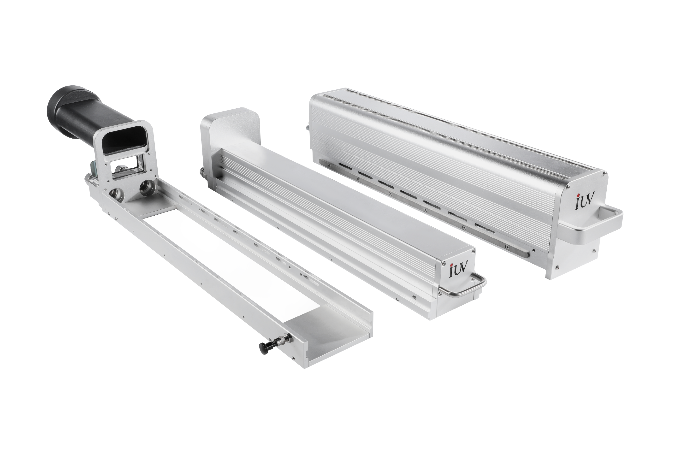
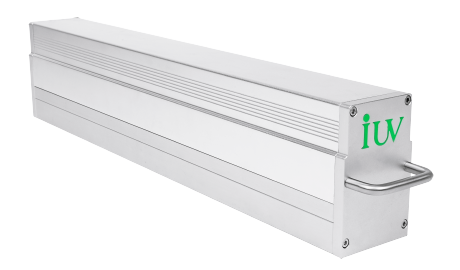
LED UV curing systems represent a paradigm shift in how inks and coatings are cured in the narrow web printing industry. Instead of mercury vapor lamps, these systems utilize Light Emitting Diodes (LEDs) to produce UV light. LEDs are semiconductor devices that emit light when an electric current passes through them. The key difference lies in their efficiency and operational characteristics.

Unlike mercury lamps, LEDs emit UV light in a very specific wavelength range, tailored to the absorption spectrum of UV-curable inks and coatings. This targeted emission means less energy is wasted on producing unwanted wavelengths. The efficiency of LEDs in converting electrical energy into UV light is remarkably high.

The Core of Energy Savings: Operational Efficiency

The primary driver behind the energy reduction offered by LED UV curing systems is their superior operational efficiency. Here’s a breakdown of why they consume less power:

  • Instant On/Off Capability: LEDs reach full intensity instantaneously. There is no warm-up or cool-down period required. This means energy is only consumed when the lamps are actively needed for curing. For label printers that often switch between different jobs, this feature translates directly into significant energy savings. When the press stops, the LEDs can be switched off immediately.
  • Lower Heat Output: LEDs produce very little infrared radiation, meaning they generate significantly less heat compared to mercury lamps. This directly reduces the burden on the pressroom’s HVAC systems, as less heat needs to be dissipated. Lower ambient temperatures also contribute to a more comfortable working environment and can reduce the need for additional cooling.
  • Focused Wavelength Emission: As mentioned, LEDs emit UV light at specific wavelengths. This precise control ensures that the energy is directed precisely where it’s needed for efficient curing. There is minimal energy wasted on generating heat or wavelengths that do not contribute to the curing process. This high spectral efficiency means less overall energy is required to achieve a thorough cure.
  • Longer Lifespan and Reduced Maintenance: While not a direct energy consumption metric, the longevity of LED arrays contributes to overall operational cost reduction. They typically last much longer than mercury lamps, reducing the frequency of replacements and associated waste. This also means less downtime for maintenance.

Impact on Narrow Web Printing Processes

The benefits of LED UV curing extend beyond just energy reduction, significantly impacting various aspects of narrow web printing:

Flexographic Printing

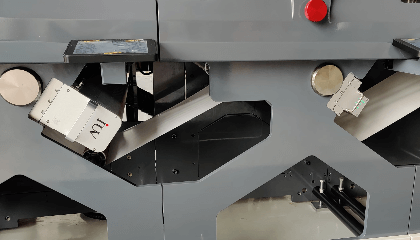
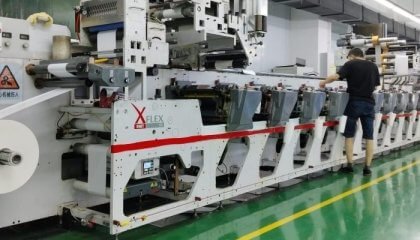
In flexographic printing, where speed and efficiency are critical for label and packaging production, LED UV curing systems are a natural fit. The instant on/off capability allows for seamless integration with the start-stop nature of many flexo presses. The reduced heat output means that heat-sensitive substrates, common in label printing, can be handled with greater confidence and without the risk of distortion or damage that can occur with higher heat-emitting conventional UV systems. This enables faster press speeds and the ability to print on a wider range of thinner films and foils.

Offset (Lithographic) Printing

Narrow web offset presses also benefit immensely. The consistent, high-intensity UV output from LEDs ensures rapid curing of inks and coatings, leading to improved print speeds and reduced drying times between print stations if multiple UV stations are used. The lower heat generation is particularly advantageous for offset, where precise ink transfer and substrate integrity are paramount. This enhanced control over the curing process contributes to sharper dot reproduction and richer colors.

Ink and Coating Compatibility

Modern UV-curable inks and coatings are increasingly formulated to optimize performance with LED UV technology. These formulations are designed to cure efficiently under the specific wavelengths emitted by LEDs, maximizing the energy savings. Printers can achieve high-quality results with a wider range of materials, including those that might have been challenging with older UV systems.

Quantifying Energy Savings

While specific savings vary based on press configuration, operational practices, and the type of lamps replaced, studies and real-world implementations consistently show significant reductions in energy consumption. Many users report energy savings in the range of 30-70% or more when switching from traditional mercury UV lamps to LED UV systems.

Consider a typical narrow web printing press running for an 8-hour shift with intermittent stops. A mercury lamp system might consume several kilowatts continuously, including standby power. An LED system, by contrast, would consume power only when the press is actively printing, and at a much lower peak wattage due to its efficiency. Over a year, this difference translates into substantial electricity bill reductions and a smaller carbon footprint.

Environmental and Sustainability Advantages

Beyond direct energy cost savings, LED UV curing contributes to a more sustainable printing operation:

  • Reduced Carbon Footprint: Lower energy consumption directly equates to a lower carbon footprint, aligning with corporate sustainability goals and increasing appeal to environmentally conscious customers.
  • Elimination of Mercury: Traditional mercury lamps contain hazardous materials. LED systems eliminate the need for mercury, simplifying disposal and reducing environmental risks.
  • Waste Reduction: Improved curing efficiency and reduced heat can lead to fewer print defects and less material waste.

Making the Transition to LED UV

The transition to LED UV curing systems for narrow web printing is an investment that pays dividends in energy efficiency, operational performance, and environmental responsibility. As the technology continues to evolve, the advantages of LED UV curing will only become more pronounced, solidifying its position as the go-to solution for modern, sustainable narrow web printing operations.

By understanding the fundamental differences in how LEDs generate UV light and their operational advantages, print professionals can make informed decisions that lead to reduced energy consumption, lower costs, and a more robust, efficient, and environmentally friendly printing process. The future of narrow web printing is undoubtedly illuminated by LED UV technology.


Contact IUV Curing Experts

滚动至顶部