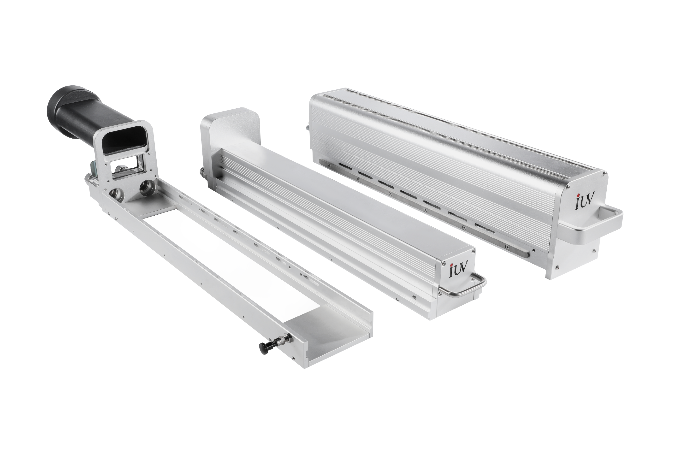
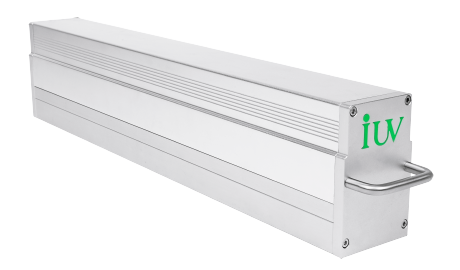
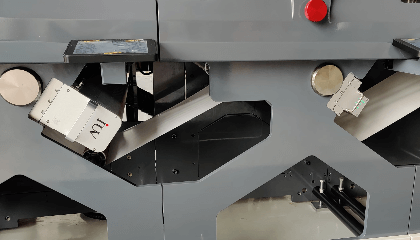
Achieving superior adhesion on both coated and uncoated substrates is a cornerstone of high-quality printing. This is particularly critical in demanding applications like label printing, where durability and performance are paramount. The evolution of curing technologies has played a significant role in meeting these challenges, with LED UV curing systems emerging as a truly transformative solution. These systems offer distinct advantages over traditional methods, fundamentally improving how inks and coatings bond to a wide range of materials.
The Challenge of Substrate Adhesion
Substrates, whether they are pre-coated or completely raw, present unique challenges for ink and coating adhesion. Coated substrates, while offering a smoother surface, can sometimes have release characteristics that hinder strong bonding. The coating itself might be too slick or possess a surface energy that doesn’t readily accept the printed material.
Uncoated substrates, on the other hand, often have porous surfaces. This porosity can lead to ink or coating penetration, which might seem like good adhesion but can result in a weaker bond or a compromised print appearance. Furthermore, the surface texture of uncoated materials can be uneven, making it difficult for printed materials to form a consistent and robust bond across the entire surface.
Understanding UV Curing Technology
Traditional UV curing systems utilize mercury vapor lamps. These lamps emit a broad spectrum of UV light, along with significant heat and infrared radiation. While effective, they come with drawbacks. They require a warm-up period, consume more energy, generate substantial heat that can affect sensitive substrates, and their output degrades over time, requiring frequent replacement.
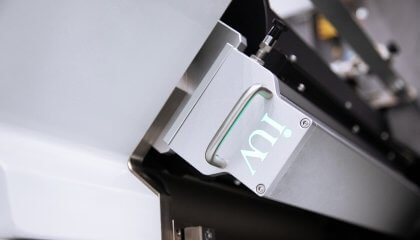
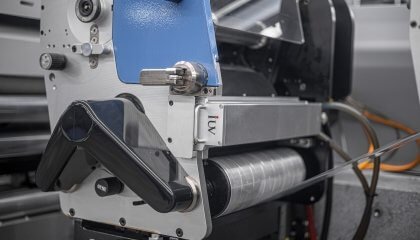
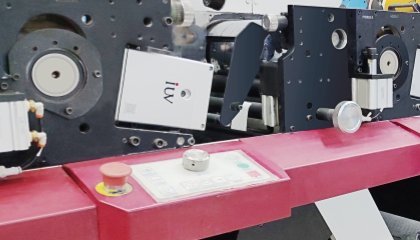
LED UV curing systems represent a paradigm shift. Instead of mercury lamps, they use Light Emitting Diodes (LEDs) that emit UV light at specific, narrow wavelengths. This targeted approach offers unparalleled control and efficiency. The primary benefit of this specificity is the direct, efficient transfer of energy to the photoinitiators within the ink or coating.
How LED UV Curing Enhances Adhesion
The mechanism by which LED UV curing improves adhesion is multifaceted. It’s about the precise delivery of energy and the nature of the curing process itself.
1. Targeted Wavelengths and Efficient Energy Transfer:
LEDs emit UV light at precise wavelengths that are optimally absorbed by the photoinitiators in UV-curable inks and coatings. This means virtually all the emitted energy is used for the curing reaction, rather than being wasted on heating the substrate or surrounding air. This highly efficient energy transfer leads to a more complete and rapid polymerization of the ink or coating. A thorough and quick cure results in a more cross-linked and robust film, which inherently adheres better to the substrate surface.
2. Reduced Heat Stress on Substrates:
One of the most significant advantages of LED UV curing is its minimal heat generation. Traditional mercury lamps produce a considerable amount of heat, which can warp, distort, or even degrade sensitive substrates like thin films, certain plastics, and even some papers. This thermal stress can compromise the structural integrity of the substrate, indirectly affecting adhesion. LED systems, emitting little to no infrared radiation, cure at much lower temperatures. This allows for printing on a wider array of delicate materials without compromising their physical properties, thereby preserving the surface’s receptiveness to the ink.
3. Improved Ink/Coating Chemistry Interaction:
The controlled nature of LED UV curing allows formulators to develop inks and coatings that are specifically optimized for LED curing. This often means leveraging photoinitiators that are highly sensitive to the specific wavelengths emitted by the LEDs. When these optimized formulations are exposed to the precise LED spectrum, they cure faster and more thoroughly. This enhanced chemical interaction leads to a stronger molecular bond between the ink/coating and the substrate.
4. Surface Energy Modification:
While not the primary mechanism, the rapid curing process enabled by LEDs can, in some instances, contribute to a better surface finish. A well-cured surface is less likely to exhibit surface tack or incomplete polymerization, which can be points of weakness for adhesion. The uniformity of cure across the printed area contributes to a consistent and strong bond.
Applications in Narrow Web and Flexographic Printing
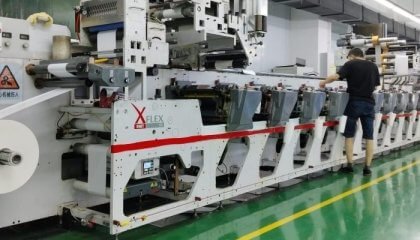
In the narrow web and flexographic printing sectors, where label and flexible packaging are primary outputs, adhesion is absolutely critical. These prints often face rigorous handling, exposure to chemicals, and varying environmental conditions.
- Label Printing: Labels must adhere firmly to diverse surfaces, from glass and plastic bottles to metal cans and paperboard. Incomplete curing or heat-induced substrate deformation can lead to label delamination, a major product failure. LED UV curing ensures a fast, consistent cure, leading to robust adhesion that withstands the stresses of application and use. The ability to print on challenging substrates like polyolefins and PET films without pre-treatment becomes more feasible with efficient LED curing.
- Flexographic Printing: Flexo printing is widely used for packaging, including flexible films, pouches, and folding cartons. These substrates often require inks and coatings that are not only adherent but also flexible and resistant to abrasion and chemicals. The precise curing action of LEDs helps to create a more durable print layer that adheres strongly to these varied filmic substrates, preventing cracking or peeling during product handling and transit.
Benefits for Offset and Digital Printing
While often associated with narrow web, LED UV curing is also making significant inroads into sheetfed offset and digital printing, further proving its versatility in enhancing adhesion.
- Offset Printing: In offset, particularly for commercial printing and high-end packaging, the ability to achieve superior adhesion on coated stocks, such as those used for brochures and book covers, is vital. LED UV curing ensures that the inks and varnishes cure rapidly and completely, providing a hard, durable finish that resists scratching and scuffing. This means less worry about ink rub-off and better longevity for printed materials, especially when handling is frequent. The reduced heat also allows for faster throughput on the press, as sheets don’t need extensive cooling.
- Digital Printing: Digital printing, especially inkjet, often faces adhesion challenges due to the nature of the jetting process and the variety of substrates used. LED UV curing is the standard for many digital printing applications. It provides the instant cure needed for high-speed digital presses, ensuring that the ink droplets bond instantly to the substrate upon application. This is crucial for achieving sharp, vibrant images and preventing issues like smudging or lifting, especially on non-porous digital media. The low heat is also a significant advantage when printing on heat-sensitive digital substrates.
Addressing Coated vs. Uncoated Substrates with LED UV
The specific characteristics of coated and uncoated substrates are better managed with LED UV curing:
- On Coated Substrates: For coated papers and boards, LED UV curing ensures the ink or coating cures on the surface rather than soaking in. The precise wavelengths optimize the photoinitiator reaction, leading to a dense, well-formed polymer network that adheres strongly to the smooth, often low-surface-energy coating. This prevents issues like “chalking” (where the ink sits on the surface without binding) or poor rub resistance.
- On Uncoated Substrates: With porous uncoated materials, the key is to achieve a strong surface bond without excessive penetration that weakens the print. LED UV curing facilitates a very rapid surface cure. This creates a barrier layer almost immediately, preventing further ink spread and ensuring the majority of the colorant and binder remain at the surface, forming a robust, well-adhered layer. The uniformity of the LED output helps achieve consistent adhesion even across textured uncoated surfaces.
Conclusion
The transition to LED UV curing systems represents a significant advancement for the printing industry. By offering precise wavelength control, reduced heat output, and highly efficient energy transfer, these systems fundamentally improve the adhesion of inks and coatings on both coated and uncoated substrates. This leads to more durable, higher-quality prints across a wider range of applications, from narrow web label printing and flexography to sheetfed offset and digital production. For printers looking to enhance substrate compatibility, improve print longevity, and expand their capabilities, embracing LED UV technology is a strategic imperative.