<!-- Meta Pixel Code --> <!-- 结束元像素代码 -->

How LED UV Curing Systems Help Printers Meet Environmental Regulations

How LED UV Curing Systems Help Printers Meet Environmental Regulations

The printing industry is under increasing pressure to adopt more sustainable practices. Environmental regulations worldwide are becoming stricter, pushing businesses to reduce their carbon footprint and minimize harmful emissions. For printers, especially those involved in label, flexographic, and offset printing, adapting to these changes is not just a matter of compliance, but also a strategic advantage. One of the most significant technological advancements enabling this transition is the adoption of LED UV curing systems.

These advanced curing technologies offer a compelling solution for printers aiming to meet stringent environmental standards while maintaining high-quality output and operational efficiency. They represent a leap forward from traditional methods, providing a cleaner, more energy-efficient, and versatile approach to drying inks and coatings.

Understanding the Environmental Challenges in Printing

Historically, printing processes have relied on methods that can contribute to environmental concerns. Traditional solvent-based inks, for instance, release volatile organic compounds (VOCs) into the atmosphere as they dry. VOCs are known air pollutants that can negatively impact air quality and contribute to smog formation. Regulatory bodies in many regions have imposed strict limits on VOC emissions, forcing printers to seek alternatives.

Drying technologies that utilize heat or infrared lamps also consume considerable energy, adding to a printer’s operational costs and overall energy consumption. This energy demand, often met by fossil fuels, directly correlates with greenhouse gas emissions. Furthermore, older curing methods might require more frequent bulb replacements, leading to waste disposal issues.

The Rise of UV Curing Technology

Ultraviolet (UV) curing technology emerged as a significant improvement over conventional drying methods. Instead of evaporating solvents, UV curing uses specific wavelengths of UV light to initiate a photochemical reaction that instantly solidifies or “cures” inks, coatings, and adhesives. This process happens almost instantaneously, allowing for faster production speeds and excellent adhesion to a wide range of substrates.

However, traditional UV curing lamps, often mercury-based, have their own environmental considerations. These lamps consume a substantial amount of energy and can generate considerable heat, requiring robust ventilation systems. The disposal of mercury-containing lamps also poses environmental risks.

Enter LED UV Curing: A Sustainable Revolution

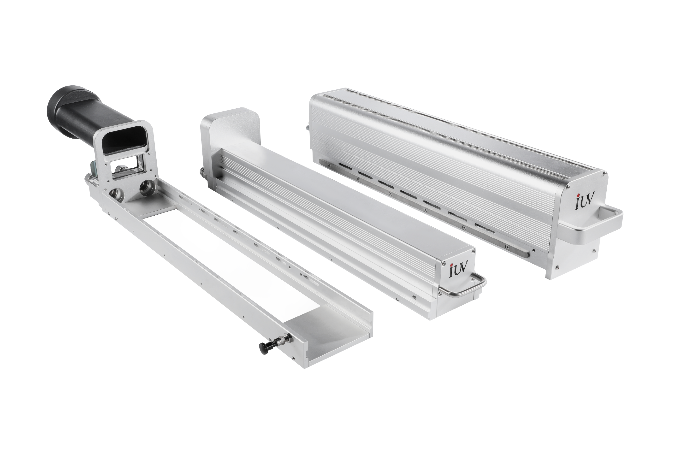
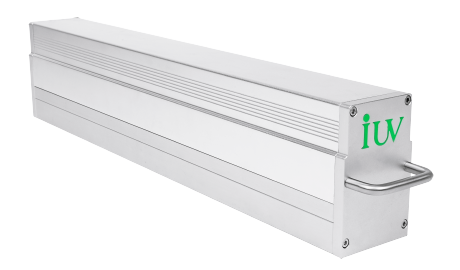
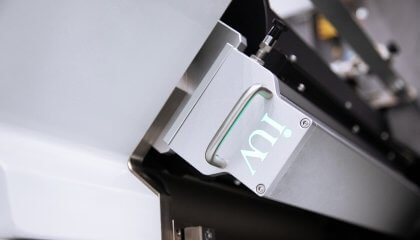
LED UV curing systems represent the next generation of this technology, offering a suite of benefits that directly address environmental regulations and sustainability goals. Unlike traditional mercury lamps, Light Emitting Diodes (LEDs) emit UV light in narrow, specific wavelength bands. This targeted emission is not only more efficient but also brings several environmental advantages.

Reduced Energy Consumption

One of the most profound environmental benefits of LED UV curing is its dramatically lower energy consumption. LEDs are far more energy-efficient than traditional UV lamps. They convert a much higher percentage of electrical energy into UV light, with very little wasted as heat. This means printers can achieve the same or better curing results using significantly less power. For a printing operation, this translates directly into lower electricity bills and a reduced carbon footprint. The energy savings can often be as high as 70-80% compared to conventional UV systems.

Elimination of VOC Emissions

LED UV curing systems, like other UV curing technologies, utilize inks and coatings that are 100% solid. This means there are no solvents to evaporate during the curing process. Consequently, VOC emissions are virtually eliminated. This is a critical factor for printers operating in regions with strict air quality regulations. By switching to LED UV curing, printers can ensure compliance with VOC limits without the need for expensive exhaust and abatement systems.

Lower Heat Output and Improved Working Environment

While traditional UV lamps generate substantial heat, LEDs emit very little infrared radiation. This means the substrate and the surrounding environment remain much cooler during the curing process. Lower heat output leads to several advantages:

  • Substrate Versatility: Printers can safely cure on a wider range of heat-sensitive substrates, including thin plastics, films, and even some papers, without fear of warping or damage. This expands the possibilities for label and packaging applications.
  • Improved Operator Comfort: A cooler working environment is more comfortable for printing press operators, potentially leading to better concentration and fewer errors.
  • Reduced Ventilation Needs: The lower heat output means less demand for extensive ventilation and cooling systems, further reducing energy consumption and operational complexity.

Extended Lifespan and Reduced Waste

LED UV lamps have an exceptionally long operational lifespan, often exceeding 20,000 hours. This is significantly longer than traditional mercury lamps, which typically last only a few thousand hours. The extended lifespan of LEDs translates to fewer replacements, less downtime for maintenance, and a significant reduction in hazardous waste generated from disposing of spent lamps. This aligns with broader goals of waste reduction and a more circular economy within the printing industry.

Instant On/Off Capability

LEDs can be switched on and off instantaneously without degradation to their lifespan or performance. This is a stark contrast to mercury lamps, which require warm-up and cool-down periods. The instant on/off capability allows printers to only use the UV light when needed, further optimizing energy usage, especially on presses with intermittent printing runs.

Applications in Specific Printing Sectors

The benefits of LED UV curing are particularly impactful across various printing segments.

Narrow Web Label Printing

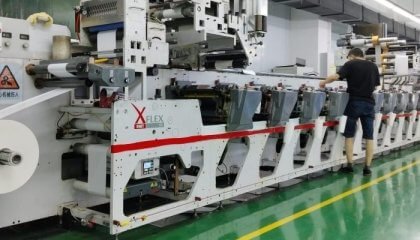
In the narrow web label printing sector, where high-volume production of labels for diverse products is common, efficiency and compliance are paramount. LED UV curing allows label printers to achieve instant curing of inks and coatings on a wide array of substrates, from standard paper to films and foils. The elimination of VOCs ensures compliance with food packaging regulations and general environmental standards. The ability to cure on heat-sensitive films is a major advantage for many label applications.

Flexographic Printing

Flexographic printing, widely used for packaging, labels, and commercial printing, can greatly benefit from LED UV technology. Traditional flexo inks often contained solvents, but UV-curable inks have become increasingly popular. LED UV systems offer faster curing speeds, enabling higher press speeds, and the elimination of VOCs. This is crucial for food packaging, where migration of chemicals is a concern, and for printers operating under strict emission controls. The energy savings are also a significant factor for flexo printers looking to reduce operational costs.

Offset Printing

While offset printing has historically used heatset or conventional drying, the integration of LED UV curing opens up new possibilities. Sheetfed offset presses can be equipped with LED UV units to cure inks and coatings instantly. This allows for immediate post-print handling, stacking, and finishing, eliminating waiting times. Crucially, it enables offset printers to run on non-absorbent substrates like plastics and foils, expanding their application range significantly. The environmental benefits of reduced energy use and zero VOCs are also compelling for offset operations.

Making the Switch: Considerations for Printers

Transitioning to LED UV curing systems requires careful planning. Printers should consider:

  • Wavelength Compatibility: Ensure the LED UV system’s wavelength output is compatible with the specific UV inks and coatings being used. Different LED wavelengths are optimized for different chemistries.
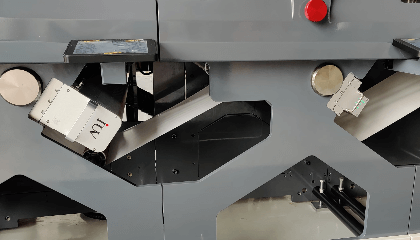
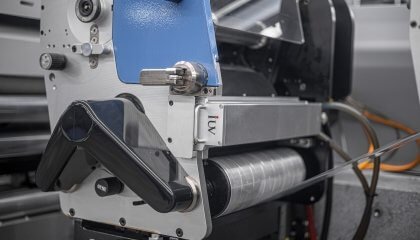
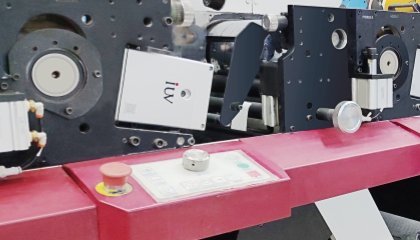
  • Integration with Existing Presses: Retrofitting existing presses with LED UV units is often feasible, but careful assessment of space, power requirements, and system integration is necessary.
  • Ink and Coating Suppliers: Work closely with ink and coating manufacturers who offer formulations specifically designed for LED UV curing.

By embracing LED UV curing technology, printers are not just investing in new equipment; they are investing in a more sustainable future. They are positioning themselves to meet evolving environmental regulations, reduce operational costs, expand their service offerings, and gain a competitive edge in an increasingly green-conscious market. The shift towards LED UV curing is a clear path forward for printers committed to both environmental responsibility and business success.


Contact IUV Curing Experts

滚动至顶部