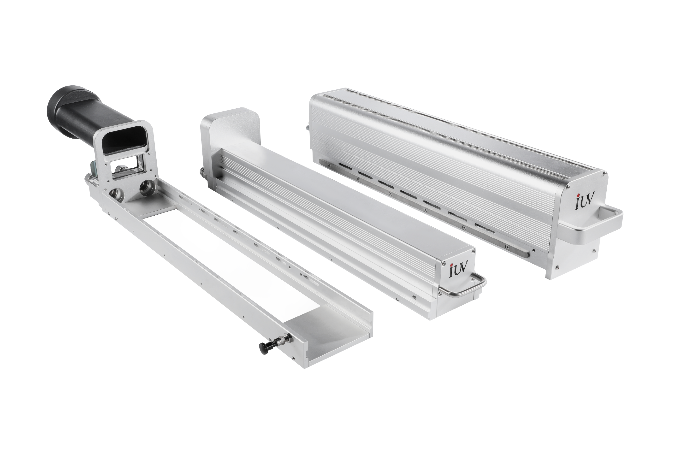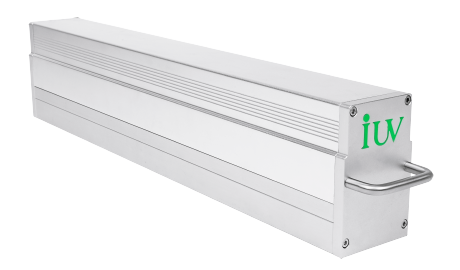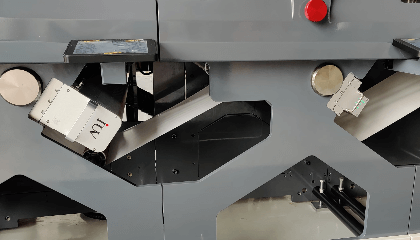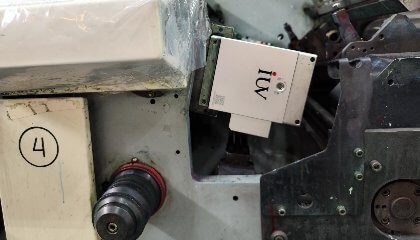
LED UV Curing Systems are transforming the printing industry, particularly in outdoor applications where print durability is paramount. These advanced curing technologies significantly enhance the performance of prints exposed to harsh environmental conditions. In this article, we will explore how LED UV curing systems work, their benefits in print durability, and how they improve the quality and longevity of prints in various printing techniques such as flexographic printing, letterpress printing, narrow-web printing, and UV printing.
What is LED UV Curing?
LED UV curing is a technology used to dry or cure inks and coatings applied to substrates in the printing process. Unlike traditional drying methods that rely on heat or air to evaporate solvents, LED UV curing uses ultraviolet light to chemically bond the ink to the substrate almost instantaneously. This process is more efficient, faster, and more environmentally friendly than conventional methods.
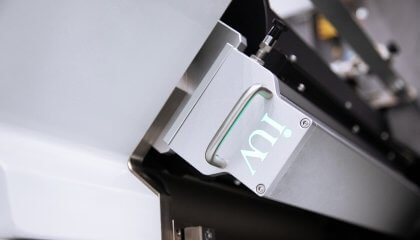
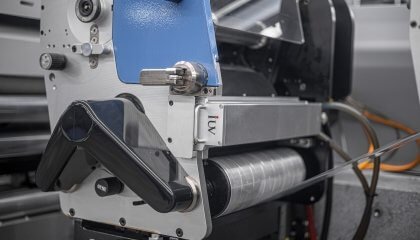
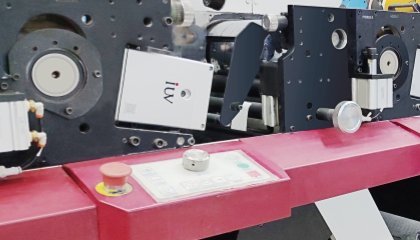
LED UV curing systems use light-emitting diodes (LEDs) to produce ultraviolet light at specific wavelengths that react with the photoinitiators in the ink or coating. As a result, the ink undergoes a rapid polymerization process, turning it from a liquid state to a solid, durable layer that adheres strongly to the substrate.
Why is Durability Important in Outdoor Printing?
Outdoor applications, such as signage, banners, vehicle wraps, and packaging, are subjected to a range of challenging conditions. These can include UV exposure from the sun, rain, snow, wind, temperature fluctuations, and pollution. Without proper protection, printed materials can degrade quickly, leading to fading, cracking, peeling, or smearing, all of which compromise the quality of the print and the longevity of the product.
Durability in outdoor printing is therefore a critical factor, and this is where LED UV curing systems shine. By enhancing the adhesion and resistance of the print to environmental stressors, LED UV curing ensures that prints remain vibrant, sharp, and intact for a longer period of time, even under the most demanding conditions.
Benefits of LED UV Curing in Outdoor Applications
1. Superior Durability and Abrasion Resistance
One of the most significant benefits of LED UV curing is the superior durability it offers for outdoor prints. The rapid curing process creates a tougher ink layer with better adhesion to the substrate. This increased adhesion reduces the likelihood of ink peeling or fading due to external factors like abrasion, moisture, or UV exposure.
The cured ink’s resistance to abrasion is particularly crucial for applications like vehicle wraps and outdoor signage, where prints are frequently exposed to physical contact or harsh elements. Unlike traditional inks, which may wear off over time, LED UV inks create a harder surface that can withstand such stress, making the print last longer.
2. Enhanced UV Resistance
UV resistance is another area where LED UV curing systems excel. Traditional solvent-based inks can suffer from degradation when exposed to sunlight, leading to fading and color shift over time. LED UV inks, on the other hand, are formulated with UV-resistant properties that help maintain color integrity, even when exposed to prolonged sunlight.
In applications such as outdoor billboards and banners, where prints need to withstand constant exposure to UV rays, LED UV curing provides a significant advantage by ensuring that colors remain vibrant and the print does not fade prematurely.
3. Faster Curing and Increased Productivity
LED UV curing systems are known for their rapid curing capabilities. In traditional printing systems, drying times can be lengthy, leading to delays in production and limited throughput. LED UV curing eliminates this issue by curing the ink almost instantly upon exposure to UV light.
This rapid curing speed increases overall production efficiency and allows printers to take on larger volumes of work without sacrificing quality. In outdoor applications, where prints need to be produced quickly for time-sensitive projects, LED UV curing systems provide a significant advantage.
4. Energy Efficiency and Environmental Benefits
LED UV curing is more energy-efficient than traditional curing methods. Unlike conventional mercury vapor lamps, which consume a large amount of power and require frequent replacement, LED systems use significantly less energy and have a longer lifespan. This reduces both operational costs and the environmental footprint of the printing process.
The reduced heat output also eliminates the need for excessive cooling systems, further improving energy savings. Additionally, since LED UV curing systems use inks that are free of volatile organic compounds (VOCs), they offer a more environmentally friendly alternative to traditional solvent-based inks.
LED UV Curing in Flexographic and Letterpress Printing
Both flexographic printing and letterpress printing have seen significant improvements with the advent of LED UV curing.
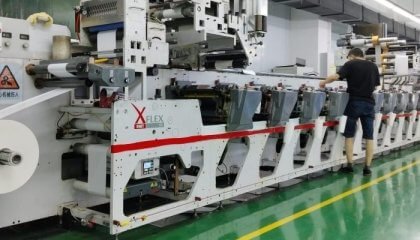
In flexographic printing, which is commonly used for packaging and label printing, LED UV curing systems enhance the speed and quality of print jobs. The technology allows for better ink adhesion on a variety of substrates, including non-porous materials such as plastic films, which can be challenging for traditional ink curing systems. LED UV curing provides consistent results with improved resistance to smudging, scratching, and fading, making it ideal for flexible packaging and other applications that require high durability.
In letterpress printing, LED UV curing also offers advantages in terms of ink adhesion and speed. Traditional letterpress often requires a longer drying time, but with LED UV curing, prints can be handled and finished almost immediately after printing, reducing turnaround times and increasing productivity. Furthermore, LED UV curing inks in letterpress printing are more resistant to environmental wear and tear, ensuring that prints retain their appearance longer.
Narrow-Web Printing and UV Curing
Narrow-web printing is widely used for labels, tags, and flexible packaging, and LED UV curing is particularly beneficial for this segment. Narrow-web presses have smaller print widths but require high-speed printing, especially for large production runs. The rapid curing capabilities of LED UV systems are perfectly suited to this type of printing, as they allow for faster processing without sacrificing print quality.
In narrow-web printing, the precise control over ink curing that LED UV systems offer ensures that inks bond effectively to a wide range of substrates, including films and foils, which are commonly used in labels and packaging. The prints produced using LED UV curing systems have excellent resistance to water, chemicals, and abrasions, making them well-suited for demanding applications such as food and beverage packaging and pharmaceutical labeling.
Conclusion
LED UV curing technology has revolutionized the printing industry, offering significant advantages for outdoor applications where durability is critical. The rapid curing speed, improved print quality, and environmental benefits make it a preferred choice for print applications that are exposed to harsh weather conditions and physical stress. Whether in flexographic, letterpress, narrow-web printing, or other printing processes, LED UV curing systems provide a durable, efficient, and cost-effective solution for enhancing the longevity of prints. With these systems, businesses can ensure their outdoor prints maintain their visual appeal and integrity for an extended period, delivering long-lasting results that withstand the test of time.