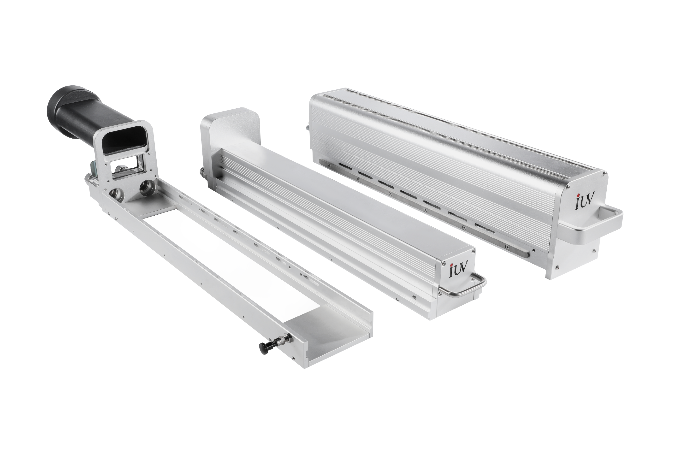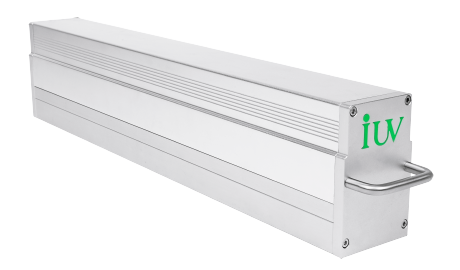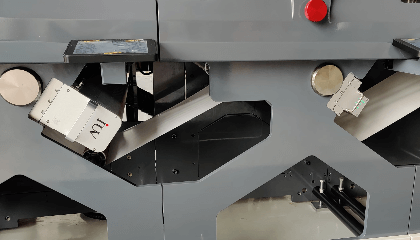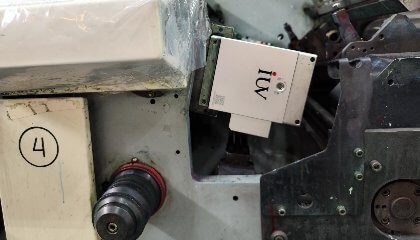
The quest for unparalleled print consistency is a constant pursuit in the world of offset printing. From the vibrant hues of a label to the sharp detail of a package, every element must align perfectly to meet brand owner expectations and consumer appeal. Achieving this level of precision, especially in demanding applications like narrow web, flexographic, and offset printing, has been significantly advanced by the integration of LED UV curing systems. These systems offer a powerful solution to common inconsistencies, delivering superior results batch after batch.
The Challenge of Consistency in Traditional Curing
For decades, conventional curing methods, such as mercury vapor lamps and hot air drying, have been the workhorses of the printing industry. However, these technologies often present inherent challenges that can compromise print consistency. Mercury lamps, while effective, generate significant heat. This heat can cause substrate distortion, particularly with sensitive materials like thin films and certain papers. The variable nature of heat output and the potential for lamp degradation over time can lead to uneven curing across the print length, resulting in color shifts and poor ink adhesion.
Hot air drying, another common method, relies on airflow and temperature to evaporate solvents. This process can be slow and energy-intensive. Inconsistent airflow or temperature fluctuations can lead to incomplete drying, causing issues like ink rub-off, smudging, and reduced print quality. For high-speed printing operations, especially in narrow web and flexo, achieving consistent drying can become a bottleneck, impacting overall production efficiency and product uniformity.
Introducing LED UV Curing: A Paradigm Shift
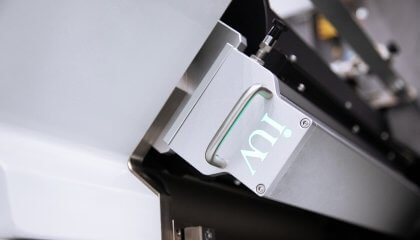
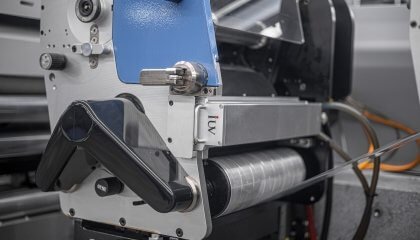
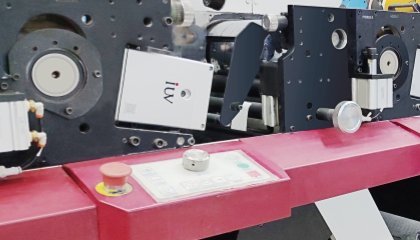
LED UV curing represents a significant leap forward in ink and coating curing technology. Unlike traditional mercury lamps, Light Emitting Diodes (LEDs) emit a specific wavelength of UV light. This focused spectrum is highly efficient at initiating the photoinitiators within UV-curable inks and coatings, causing them to polymerize and harden almost instantaneously. This rapid curing process offers several advantages that directly translate to enhanced consistency.
Enhancing Consistency in Narrow Web Printing
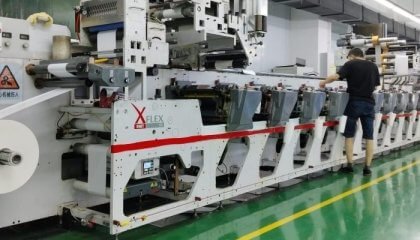
Narrow web printing, predominantly used for labels and flexible packaging, operates at high speeds and demands exceptional precision. Consistency is paramount, as variations can lead to costly material waste and failed quality checks. LED UV curing plays a crucial role here by providing immediate and uniform curing.
The focused spectrum of LED UV light ensures that the ink cures evenly from the surface down to the substrate. This prevents issues like “skinning” where the surface cures too quickly, trapping uncured ink underneath. For label printers, this means vibrant colors that remain true throughout the entire print run. It also ensures that inks are fully cured, providing excellent scratch and chemical resistance, vital for product labels that endure handling and environmental exposure. Furthermore, the low heat output of LEDs minimizes the risk of heat-related distortion on sensitive label stocks, maintaining dimensional stability and registration accuracy.
Revolutionizing Flexographic Printing Consistency
Flexographic printing, a versatile method for printing on a wide range of substrates including plastics, films, and paperboard, also benefits immensely from LED UV curing. Flexo printing often involves the use of thicker ink layers and can be prone to inconsistencies if drying is not uniform.
With LED UV, the rapid and efficient curing process ensures that ink layers are solidified quickly and thoroughly. This uniformity eliminates the problem of inks transferring or smudging during subsequent printing stations or finishing processes. Printers can achieve sharper dot reproduction and cleaner fine lines, as the ink doesn’t have time to spread or migrate after application. The consistent energy output of LED systems means that each impression receives the same amount of UV energy, leading to predictable and repeatable curing results, which is the bedrock of print consistency. This predictability is invaluable for long print runs where maintaining color fidelity and physical properties across thousands of labels or flexible packages is critical.
Advancing Offset Printing Uniformity
In offset printing, particularly sheetfed and web offset for commercial and packaging applications, consistency in ink laydown and curing is directly tied to print quality and efficiency. LED UV curing addresses several key areas that enhance this uniformity.
One of the primary benefits is the elimination of heat-related issues. Traditional UV lamps can significantly increase the substrate temperature, leading to wavy edges on paper or deformation of thinner boards. This can impact registration and the overall dimensional stability of the printed sheet. LED UV systems, with their minimal heat emission, prevent these problems. This allows for greater control over the printing process, ensuring that sheets remain flat and in register throughout the run.
Moreover, the precise control over the UV output of LED systems allows for tailored curing profiles. Printers can adjust the intensity and duration of exposure to match specific ink formulations and substrate types. This precise control leads to a more uniform cure across the entire sheet, from edge to edge and from the first sheet to the last. This consistency in curing means that ink properties like gloss, adhesion, and rub resistance remain constant, ensuring that the final printed product meets the highest quality standards.
Key Advantages of LED UV for Enhanced Consistency
The integration of LED UV curing systems into offset, flexo, and narrow web printing applications brings forth several tangible benefits that directly contribute to improved consistency:
- Uniform Energy Distribution: LEDs emit light in a highly directional manner, ensuring that the UV energy is precisely focused onto the substrate. This results in even curing across the entire print width, preventing variations in ink hardness or adhesion.
- Precise Wavelength Control: LEDs emit a narrow band of UV wavelengths, which can be precisely matched to the absorption spectrum of specific photoinitiators in UV-curable inks and coatings. This targeted approach leads to more efficient and consistent polymerization.
- Instant On/Off Capability: Unlike mercury lamps that require warm-up and cool-down periods, LEDs can be switched on and off instantaneously. This allows for precise control over curing, ensuring that it only occurs when and where it’s needed, further enhancing consistency and reducing energy waste.
- Low Heat Emission: The reduced heat output from LED systems minimizes substrate temperature increases. This is crucial for maintaining dimensional stability of the substrate and preventing issues like curling or shrinkage, which can negatively impact print registration and overall consistency.
- Longer Lamp Lifespan and Stability: LED lamps have a significantly longer operational lifespan compared to traditional mercury lamps. Furthermore, their output remains stable over time, meaning printers don’t experience the gradual degradation that can lead to inconsistencies in curing over the life of the lamp.
- Reduced VOC Emissions: UV-curable inks and coatings used with LED UV systems are typically 100% solid, meaning they contain no volatile organic compounds (VOCs). This not only contributes to a healthier working environment but also eliminates the drying inconsistencies associated with solvent-based inks.
Applications and Future Outlook
The impact of LED UV curing systems is evident across a wide spectrum of printing applications. In the label printing sector, it enables the production of durable, high-quality labels for food and beverage, pharmaceuticals, and industrial products, where scuff resistance and chemical resistance are critical. For flexible packaging, it allows for vibrant, consistent graphics on a variety of films, ensuring brand integrity throughout the supply chain. In commercial printing, it facilitates faster turnaround times and the ability to print on a wider range of substrates, including plastics and coated papers, with consistent results.
As printing technology continues to evolve, the demand for higher quality, greater efficiency, and improved sustainability will only increase. LED UV curing systems are at the forefront of meeting these demands. Their ability to deliver unparalleled consistency in curing, coupled with their energy efficiency and environmental benefits, makes them an indispensable technology for modern offset, flexographic, and narrow web printing operations looking to achieve superior and repeatable print quality. The investment in LED UV technology is an investment in predictable, high-performance printing that consistently meets and exceeds expectations.