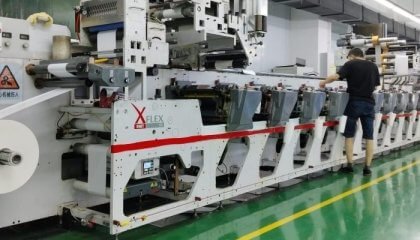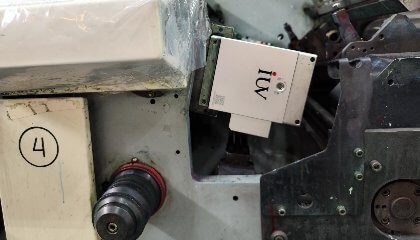
Flexographic printing, or flexo printing, is a widely used technique for producing high-quality prints on a variety of substrates. One of its key challenges, however, is printing on non-absorbent materials such as plastics, films, and coated papers. These materials pose a unique set of difficulties, including slower drying times and reduced ink adhesion. LED UV curing technology has emerged as a powerful solution, transforming the way flexo printing is performed, especially on non-absorbent substrates. In this article, we will explore how LED UV curing systems can significantly improve flexo printing on non-absorbent materials, offering benefits such as faster curing times, enhanced print quality, and cost savings.
Understanding LED UV Curing Technology
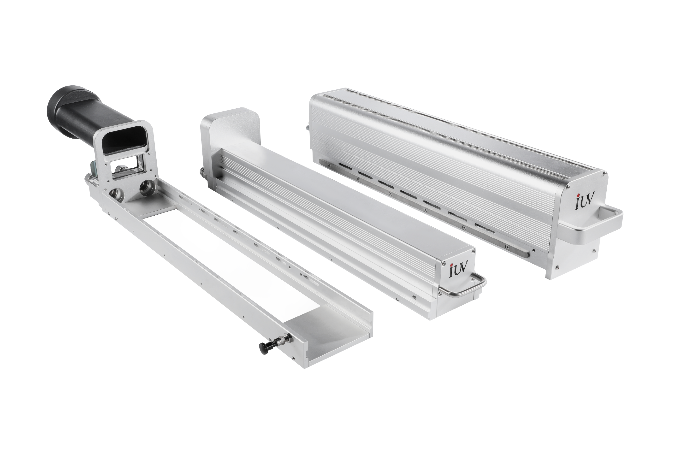
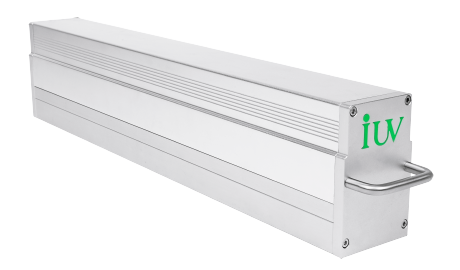
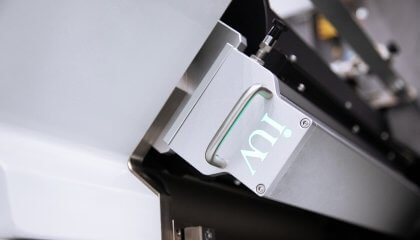
LED UV curing is a process that uses ultraviolet (UV) light emitted by light-emitting diodes (LEDs) to cure specially formulated inks or coatings. Unlike traditional UV curing systems that rely on mercury vapor lamps, LED UV systems offer several advantages. They are energy-efficient, produce less heat, and have a longer lifespan, making them a more sustainable and cost-effective choice for modern printing operations.
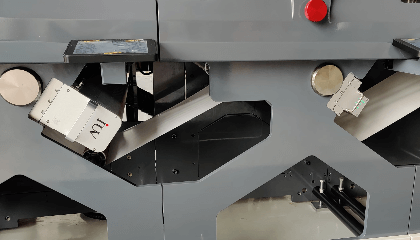
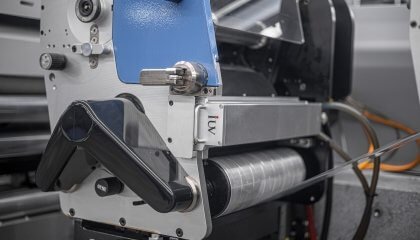
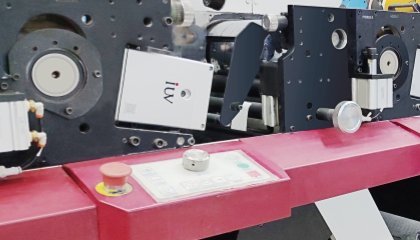
In the context of flexo printing, LED UV curing systems are used to rapidly dry inks as they are printed onto the substrate. This is especially beneficial when printing on non-absorbent materials, where traditional drying methods often struggle to provide quick and effective results.
Benefits of LED UV Curing for Non-Absorbent Materials
1. Faster Drying Times
One of the most significant advantages of LED UV curing in flexo printing is its ability to cure inks almost instantly. Traditional drying methods, such as air-drying or heat-based curing, can be slow and inefficient, particularly on non-absorbent materials like plastics and films. These materials do not readily absorb ink, making traditional drying techniques ineffective and often leading to smudging or incomplete drying.
LED UV curing systems, however, can instantly cure the ink on the surface of the material as it passes through the curing unit. This rapid curing process eliminates the need for extended drying times, allowing for faster production speeds and improved throughput in a flexo printing press.
2. Superior Print Quality
LED UV curing helps achieve superior print quality on non-absorbent materials, an area where flexo printing often faces challenges. Non-absorbent substrates tend to cause issues with ink adhesion, leading to poor print fidelity, smudging, or color shifting. LED UV curing provides strong adhesion to these substrates, ensuring the ink stays intact even under the most demanding conditions.
In addition to better adhesion, LED UV curing also enhances the vibrancy of the printed colors. Since the inks cure instantly under UV light, there is less chance for the ink to spread or migrate, which can sometimes cause color distortion on traditional substrates. As a result, LED UV curing enables crisp, sharp details and vibrant, high-quality images—an essential factor for achieving professional-level print outputs.
3. Lower Energy Consumption and Costs
Energy efficiency is one of the standout benefits of LED UV curing technology. Traditional UV curing systems use mercury lamps, which consume a significant amount of energy and require time to warm up. In contrast, LED UV curing systems are far more energy-efficient, consuming less power and producing less heat. This efficiency leads to cost savings in terms of electricity usage and reduced cooling costs.
Furthermore, LED UV lamps have a longer lifespan compared to mercury vapor lamps, which means fewer replacements and less downtime for maintenance. The extended life of LED lamps contributes to overall cost savings, making the system more cost-effective in the long run.
4. Environmentally Friendly
As sustainability becomes a growing concern in the printing industry, LED UV curing provides a greener alternative to traditional curing methods. LED lamps emit no ozone and produce less heat, which reduces the carbon footprint of the printing process. In addition, LED UV inks are often formulated to be low in volatile organic compounds (VOCs), making them safer for both workers and the environment.
The reduced environmental impact of LED UV curing is particularly appealing to businesses looking to adopt more eco-friendly practices in their operations. By switching to LED UV technology, flexo printers can demonstrate their commitment to sustainability while still achieving high-quality results on non-absorbent materials.
LED UV Curing in Narrow-Web Flexo Printing
Narrow-web flexo printing is a specialized form of flexo printing that focuses on smaller, more intricate designs, often used for labels, packaging, and other specialty products. Non-absorbent materials, such as shrink films and laminates, are commonly used in narrow-web applications. LED UV curing technology has proven to be a game-changer in this field.
The fast curing capabilities of LED UV systems are particularly advantageous in narrow-web printing, where fast turnaround times and high-quality outputs are crucial. The ability to instantly cure inks on non-absorbent substrates allows narrow-web flexo printers to meet tight deadlines without sacrificing print quality or precision. Moreover, the consistency and reliability of LED UV curing ensure that the finished product meets the high standards expected in the label and packaging industries.
Improved Ink Adhesion on Non-Absorbent Substrates
Non-absorbent materials present a particular challenge when it comes to ink adhesion. Unlike absorbent materials, which allow the ink to soak in and bond to the surface, non-absorbent substrates have a smooth surface that can cause ink to sit on top without properly bonding. This can result in smudging, peeling, or fading, especially under stress or exposure to moisture.
LED UV curing solves this problem by instantly bonding the ink to the surface of the substrate, creating a strong, durable finish. The ultraviolet light used in the curing process triggers a chemical reaction that bonds the ink molecules together and locks them onto the substrate. This enhanced adhesion is especially important when printing on non-absorbent materials, where the risk of poor adhesion is high.
Compatibility with Modern Flexo Inks
LED UV curing systems are compatible with a wide range of flexo inks, including UV curable inks specifically designed for use with UV light. These inks are formulated to cure quickly and effectively under LED UV light, allowing for optimal performance on non-absorbent substrates. Additionally, advancements in LED UV ink technology have led to the development of inks that are both versatile and high-performing, making them suitable for a variety of applications, including food packaging, labels, and industrial printing.
By utilizing LED UV inks, flexo printers can expand the range of materials they can print on without compromising the final print quality. Whether printing on films, foils, or synthetic papers, LED UV curing provides the consistency and reliability needed for high-quality prints.
Conclusion
LED UV curing systems have proven to be an invaluable tool in flexo printing, particularly when it comes to printing on non-absorbent materials. By offering faster curing times, superior print quality, enhanced ink adhesion, and lower energy consumption, LED UV curing technology is helping flexo printers achieve better results while improving operational efficiency. As the printing industry continues to evolve, LED UV curing is likely to play a significant role in shaping the future of flexo printing, providing printers with the tools they need to meet the demands of an increasingly diverse and environmentally conscious marketplace.