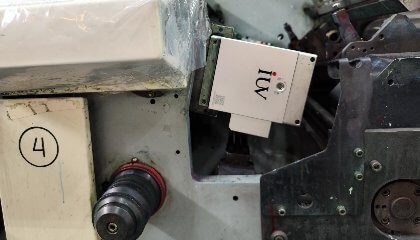
The world of label printing is in constant evolution. Advances in technology continually reshape how we produce high-quality, durable, and eye-catching labels. Among the most impactful innovations in recent years is the integration of LED UV curing systems. These systems offer a compelling alternative to traditional curing methods, ushering in a new era of efficiency, sustainability, and creative possibility for label printers.
The Evolution of UV Curing in Printing
For decades, UV curing has been a staple in the printing industry. It utilizes ultraviolet light to instantly dry or “cure” inks, coatings, and adhesives. This rapid drying process allows for faster production speeds, enhanced durability, and the ability to print on a wider range of substrates, including non-porous materials like plastics and foils.
Historically, mercury vapor lamps were the dominant technology for UV curing. While effective, these lamps presented several challenges. They generated significant heat, requiring substantial cooling systems and potentially damaging heat-sensitive substrates. They also consumed a considerable amount of energy, leading to higher operating costs and a larger environmental footprint. Furthermore, mercury lamps have a limited lifespan and contain hazardous materials, posing disposal concerns.
Enter LED UV: A Paradigm Shift
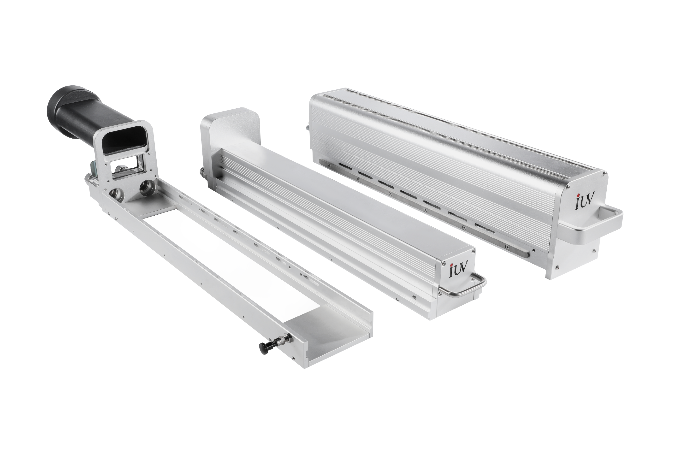
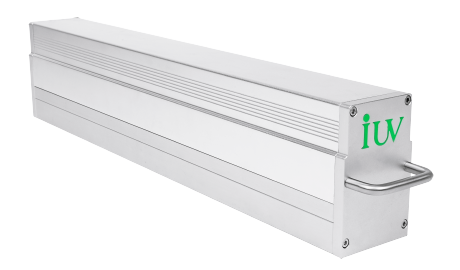
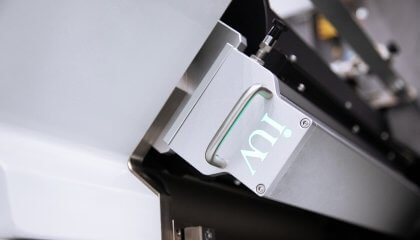
Light Emitting Diode (LED) UV curing technology represents a significant leap forward. Instead of relying on a broad spectrum of UV light generated by a mercury lamp, LED systems use highly focused diodes that emit UV light at specific wavelengths. This focused approach brings about a host of advantages that are particularly beneficial for the demanding environment of label printing.
Benefits for Label Printing
The adoption of LED UV curing systems offers a multifaceted array of benefits that directly address the needs and challenges faced by label printers operating in narrow web, flexographic, and offset printing environments.
- Energy Efficiency and Reduced Heat Output: LED UV lamps are remarkably energy-efficient. They consume significantly less power compared to traditional mercury lamps, translating into lower electricity bills. Crucially, they produce very little heat. This is a game-changer for label printing, where delicate substrates, thin films, and heat-sensitive inks are common. The reduced heat output minimizes the risk of substrate distortion or damage, allowing printers to work with a broader spectrum of materials and maintain higher print quality. This also alleviates the need for extensive and costly cooling infrastructure.
- Instant Curing and Increased Productivity: Like traditional UV, LED UV offers instant curing. However, the efficiency of LED systems often allows for even faster line speeds. The precise wavelength output of LEDs ensures thorough and immediate curing of UV-curable inks and coatings. This means labels are dry and ready for the next process—whether it’s finishing, die-cutting, or rewinding—almost instantaneously. For label converters, this translates directly into increased throughput, shorter lead times, and the ability to meet tighter production schedules without compromising quality.
- Longer Lifespan and Lower Maintenance: LED UV systems boast an exceptionally long operational lifespan, often lasting tens of thousands of hours. This is considerably longer than mercury lamps, which typically need replacement after a few thousand hours. The extended life of LED diodes significantly reduces downtime associated with lamp changes and lowers the overall cost of ownership. The robust nature of LED technology also means less frequent maintenance, further contributing to operational efficiency.
- Environmental Friendliness: The environmental advantages of LED UV are substantial. Their high energy efficiency directly reduces carbon emissions. Furthermore, LED systems are mercury-free, eliminating the hazardous waste associated with traditional UV lamps and simplifying disposal processes. This aligns with the growing demand for sustainable printing practices within the label industry.
- Wider Substrate Compatibility: The low heat and precise wavelength control of LED UV systems expand the range of printable substrates. Printers can confidently work with thinner films, sensitive plastics, and heat-degraded materials that might have been challenging or impossible with mercury lamp systems. This opens up new possibilities for product packaging and labeling applications.
- Improved Print Quality and Durability: LED UV curing promotes excellent ink adhesion and achieves high gloss finishes. The rapid and efficient curing process locks in vibrant colors and sharp details. The cured inks and coatings exhibit superior scratch, chemical, and abrasion resistance, which is paramount for labels that often endure harsh environments or extensive handling.
Applications in Specific Printing Processes
The benefits of LED UV curing are particularly pronounced in key label printing technologies:
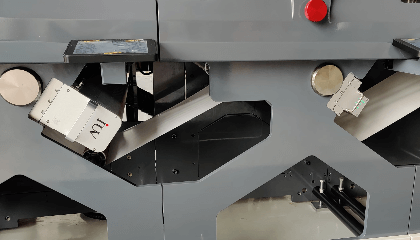
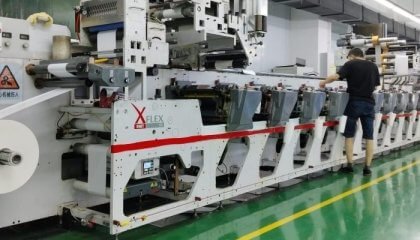
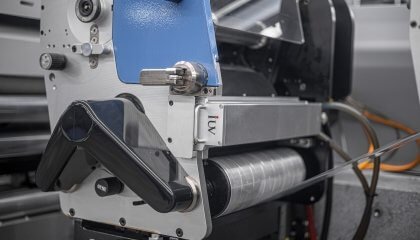
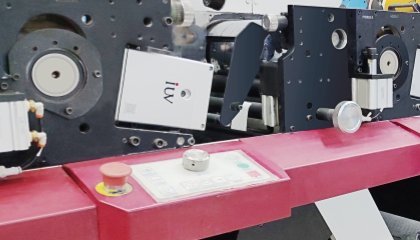
- Flexographic Printing: In narrow web flexo for labels, speed and substrate versatility are critical. LED UV systems integrate seamlessly into flexo presses, enabling high-speed printing on a wide array of films and papers. The instant cure allows for immediate finishing operations, such as lamination or delam/relam for special effects, without delays.
- Offset Printing: For label production utilizing sheet-fed or web offset presses, LED UV curing provides instant drying of inks and coatings. This is invaluable for multi-color jobs where ink overlay and drying times can otherwise slow down the process. The low heat is also a significant advantage for offset, which can sometimes be more sensitive to heat than flexo.
- Digital Label Printing: While not strictly a UV curing technology in itself, many digital label presses now incorporate LED UV curing as the drying mechanism for their UV-curable inks. This synergy allows digital printing to achieve the same speed, durability, and substrate compatibility benefits that are revolutionizing conventional methods.
Considerations for Implementation
While the advantages are clear, integrating LED UV curing systems requires careful consideration. The spectral output of LED lamps is specific, meaning that inks, coatings, and adhesives must be formulated for the particular wavelengths emitted by the chosen LED system. This often involves working with ink manufacturers to ensure compatibility. Additionally, the initial investment in LED UV curing equipment can be higher than for traditional systems, though this is typically offset by long-term operational savings.
The Future of Label Printing is Illuminated
The transition to LED UV curing is not just a technological upgrade; it’s a fundamental shift that empowers label printers to operate more efficiently, sustainably, and creatively. The enhanced productivity, reduced costs, improved environmental profile, and expanded capabilities offered by LED UV systems are making them an indispensable technology for any modern label printing operation. As the industry continues to demand higher quality, faster turnaround times, and more sustainable practices, LED UV curing systems are poised to play an even more central role in shaping the future of label printing.