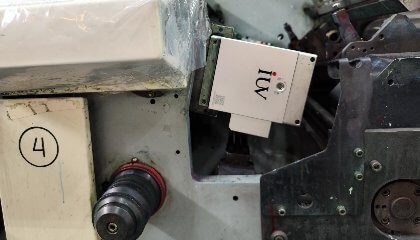
The printing industry is in constant pursuit of efficiency and superior finishes. Traditional methods often involve heat-cured inks and coatings, a process that can be energy-intensive and limit substrate choices. However, a significant technological shift is underway with the rise of LED UV curing systems. These advanced systems are not just an upgrade; they are fundamentally redefining how coatings and varnishes are applied across various printing sectors.
The Evolution of UV Curing
For decades, UV curing has been a staple in many printing operations. It utilizes ultraviolet light to initiate a photochemical reaction, instantly solidifying inks and coatings. Early UV systems relied on mercury vapor lamps. While effective, these lamps generated considerable heat, had a limited lifespan, and contained hazardous materials. They also consumed a substantial amount of energy and required significant warm-up and cool-down times.
Enter LED UV: A Paradigm Shift
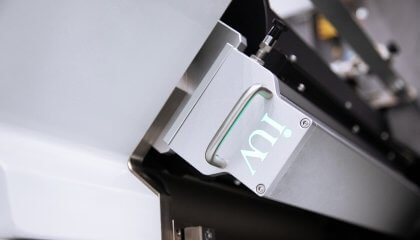
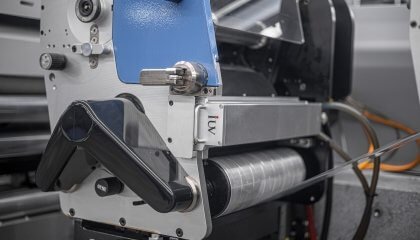
Light Emitting Diodes (LEDs) offer a stark contrast. They emit UV light within very narrow, specific wavelengths, precisely matched to the photoinitiators in UV-curable inks and coatings. This targeted approach brings a host of advantages that are transforming label printing, flexography, offset printing, and narrow web applications.
Precision and Control in Narrow Web Printing
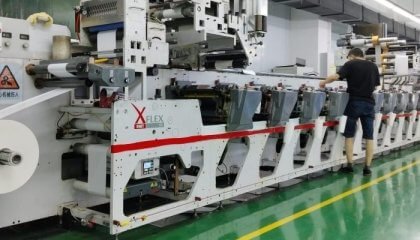
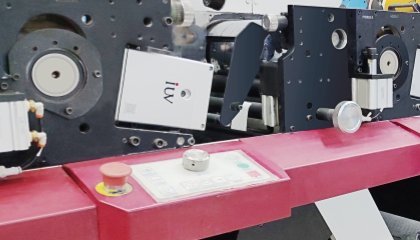
In the demanding world of narrow web printing, especially for labels and packaging, precision is paramount. LED UV curing systems provide unparalleled control over the curing process. Because LEDs emit light only when energized, there is no warm-up period, and they can be switched on and off instantaneously. This means printers can start and stop jobs without waiting for lamps to reach optimal temperature.
This instant-on capability is a game-changer for short runs and job-to-job changes. It significantly reduces waste and increases overall press uptime. Furthermore, the minimal heat output from LEDs allows for printing on a wider array of heat-sensitive substrates. Think thin films, plastics, and delicate papers that would warp or degrade under the heat of traditional UV lamps. This expands the creative possibilities for brand owners and the application range for printers.
Enhanced Performance in Flexographic Printing
Flexography, a workhorse for packaging and labels, benefits immensely from LED UV technology. The ability to cure inks and coatings rapidly and efficiently allows for higher printing speeds. This directly translates to increased production output. Flexo presses equipped with LED UV systems can achieve faster line speeds without compromising on ink adhesion or finish quality.
The precise wavelength control of LED UV also ensures thorough curing. This leads to enhanced scratch resistance, chemical resistance, and overall durability of the printed product. For food packaging, where safety and integrity are critical, this reliable curing means printed materials meet stringent standards for rub and scuff resistance, protecting brand messaging throughout the supply chain.
Revolutionizing Offset and Sheet-Fed Applications
While often associated with web printing, LED UV curing is also making significant inroads into sheet-fed and offset printing. The ability to achieve instant curing means printed sheets can be handled, stacked, or moved to finishing processes immediately. This eliminates the need for long drying racks or costly, energy-intensive IR drying units.
For offset printers, this means faster turnaround times for print jobs. Sheets are ready for downstream processes like die-cutting, foiling, or embossing almost instantly after leaving the press. This streamlined workflow is invaluable in competitive markets where speed to market is a key differentiator. The lower heat output also reduces the risk of paper distortion, maintaining tighter registration and improving print quality, particularly on lighter weight stocks.
Superior Coating and Varnish Applications
The impact of LED UV curing is perhaps most evident in coating and varnish applications. These systems enable printers to achieve a wide range of finishes with remarkable consistency and efficiency.
- High-Gloss Varnishes: LED UV systems excel at delivering brilliant, mirror-like high-gloss finishes. The rapid and complete cure locks in the coating’s structure, creating a smooth, reflective surface that enhances visual appeal. This is perfect for premium packaging and high-impact graphics.
- Matte and Satin Finishes: Achieving smooth, consistent matte and satin effects can be challenging. LED UV technology allows for precise control over the curing process, enabling printers to achieve desired tactile and visual matte or satin effects without mottling or unevenness.
- Specialty Coatings: Beyond standard finishes, LED UV opens doors to a variety of specialty coatings. This includes textured coatings that add a tactile element, protective overprint varnishes that impart exceptional durability, and even functional coatings. The precise control ensures these specialty effects are applied and cured exactly as intended.
- Adhesion on Challenging Substrates: One of the most significant advantages is the improved adhesion of coatings and varnishes on difficult-to-print surfaces. Many modern packaging materials are designed for barrier properties, which can make ink and coating adhesion a challenge. LED UV curing, with its efficient energy transfer and specific wavelengths, promotes excellent bonding to a wide range of plastics, films, and treated surfaces.
Environmental and Economic Benefits
The shift to LED UV curing is also driven by compelling environmental and economic factors.
- Energy Efficiency: LEDs are remarkably energy-efficient compared to traditional mercury lamps. They consume significantly less power, leading to reduced electricity bills and a smaller carbon footprint.
- Reduced Waste: The instant-on/off nature and precise control minimize waste associated with warm-up/cool-down cycles and material spoilage due to overheating. This conserves both materials and energy.
- No Ozone Emissions: Unlike mercury lamps, LED UV systems do not produce ozone. This eliminates the need for costly and cumbersome exhaust ventilation systems, simplifying installation and improving workplace air quality.
- Longer Lamp Life: LED lamps have a substantially longer operational lifespan than mercury lamps, reducing replacement frequency and associated costs.
- Mercury-Free Technology: LEDs are free from hazardous mercury, making disposal more environmentally friendly and simplifying compliance with environmental regulations.
Future Outlook
The trajectory for LED UV curing systems in the printing industry is overwhelmingly positive. As the technology continues to advance, we can expect even greater efficiency, enhanced spectral control, and broader application possibilities. Printers who embrace this innovation are positioning themselves at the forefront of quality, speed, and sustainability.
For label printers, flexographic operations, offset houses, and narrow web specialists, understanding and integrating LED UV curing is no longer an option but a strategic imperative. It is the technology that is not only meeting current demands but actively shaping the future of print finishes.