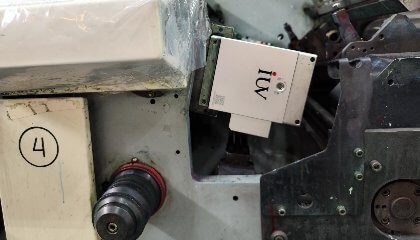
In the fast-paced world of print production, speed is often king. Yet, the pursuit of quicker turnaround times can sometimes lead to compromises in print quality. This is a delicate balance that printers constantly strive to master. For narrow web printing, label printing, flexographic printing, and offset printing applications, achieving rapid drying without sacrificing the integrity of the final product is paramount. This is precisely where LED UV curing technology shines, offering a revolutionary approach to optimizing drying speed while ensuring exceptional quality.
The Challenge of Traditional Drying Methods
Historically, printers have relied on various methods to dry ink. Thermal drying, for instance, uses heat to evaporate solvents from the ink. While effective to a degree, this process can be slow and energy-intensive. It also poses risks, such as ink migration or distortion of heat-sensitive substrates, particularly in narrow web and label printing where thinner materials are common. Furthermore, traditional UV curing systems, while faster than thermal methods, often employed mercury vapor lamps. These lamps generate significant heat and can emit ozone, necessitating extensive ventilation and posing environmental concerns. The broad spectrum of light emitted also meant that not all energy was efficiently utilized for curing, leading to wasted power and increased operational costs.
Understanding LED UV Curing Technology
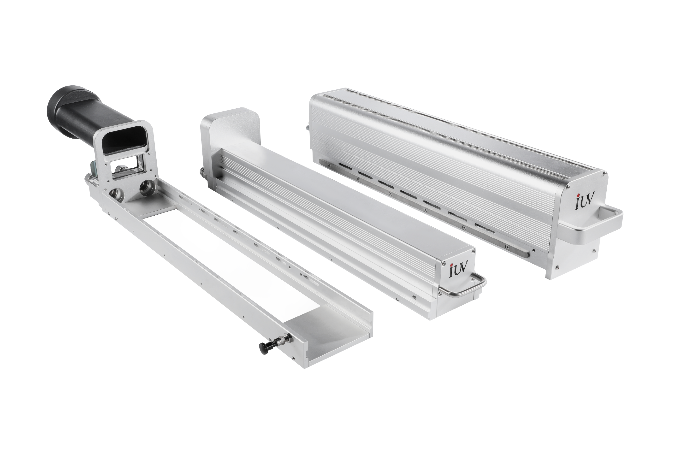
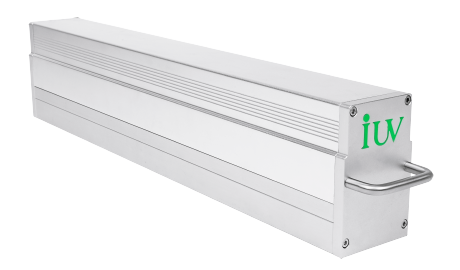
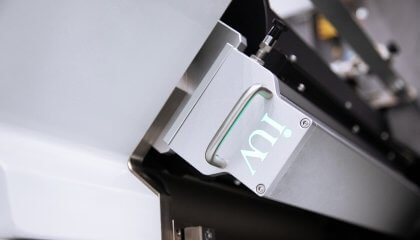
LED UV curing represents a significant leap forward. Instead of broad-spectrum mercury lamps, LED systems utilize Light Emitting Diodes to emit specific wavelengths of UV light. This targeted emission is key to their efficiency and effectiveness. For the printing industry, this means more precise control over the curing process. The wavelengths are carefully chosen to activate the photoinitiators within UV-curable inks, causing them to polymerize almost instantaneously. This rapid chemical reaction is what transforms liquid ink into a solid, durable film.
The Speed Advantage: How LED UV Accelerates Drying
The primary benefit of LED UV curing is its remarkable speed. Because the light emitted is highly specific and intense, the curing process happens in a fraction of a second. This direct energy transfer minimizes the time required for the ink to solidify. For narrow web presses, where web speeds can be very high, this rapid curing is essential to keep pace. In flexographic and offset printing applications, especially those running at high volumes, the ability to cure ink almost instantly means that subsequent printing units or finishing processes can begin without delay. This eliminates bottlenecks and dramatically increases overall production throughput. Imagine a label printing job moving through multiple color stations; with LED UV, each color can be cured as soon as it’s applied, allowing for immediate overprinting.
Maintaining Quality: The Precision of LED UV
The concern that speed might compromise quality is a valid one, but with LED UV curing, this is largely mitigated. The precise wavelengths emitted by LEDs ensure efficient activation of photoinitiators, leading to thorough and complete curing. This results in inks that are not only dry but also possess excellent adhesion, scratch resistance, and chemical resistance. Unlike thermal methods that can cause substrate issues, LED UV generates very little heat directly onto the web. This is crucial for delicate substrates often used in label printing and narrow web applications, preventing warping, shrinkage, or degradation.
Furthermore, the consistent output of LED lamps ensures uniform curing across the entire print area. This is vital for achieving vibrant colors, sharp details, and consistent finishes, whether in flexographic, offset, or narrow web printing. The absence of excessive heat also reduces the risk of ink misting or blooming, common issues with other drying methods that can affect print clarity and create unwanted visual effects. The controlled nature of LED curing means that the ink film remains exactly where it was placed, preserving the fine details of graphics and text.
Applications Across Printing Sectors
The advantages of LED UV curing are widely applicable across various printing sectors:
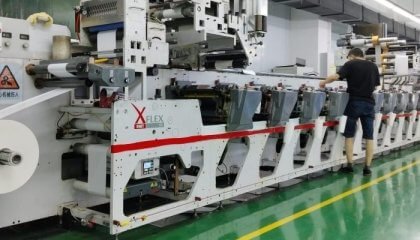
- Narrow Web Printing: In this sector, space is often at a premium, and web speeds are high. LED UV systems are compact and can be easily integrated into existing or new narrow web presses. Their ability to cure ink rapidly at high speeds is indispensable for producing labels, packaging, and other narrow web products efficiently.
- Label Printing: The demand for high-quality, durable labels on a variety of substrates, including plastics and foils, makes LED UV curing a natural fit. It allows for vibrant graphics, special effects, and finishes that stand up to handling and environmental exposure, all while maintaining high production speeds.
- Flexographic Printing: Flexo printing is heavily used for packaging and labels. LED UV curing enhances flexo’s capabilities by enabling faster run speeds and the use of a wider range of ink formulations. It ensures that the inks are fully cured on diverse substrates, from paperboard to flexible films.
- Offset Printing (Sheetfed and Web): While traditional offset often uses heatset or IR drying, LED UV is increasingly being adopted, particularly in sheetfed applications and for specific narrow web offset presses. It offers an energy-efficient alternative that allows for immediate stacking or further processing of printed sheets and webs without the long drying times associated with conventional methods.
Environmental and Economic Benefits
Beyond speed and quality, LED UV curing offers compelling environmental and economic advantages. As mentioned, LED lamps produce significantly less heat than mercury lamps, leading to lower energy consumption. This translates into reduced electricity bills and a smaller carbon footprint. They also do not emit ozone, eliminating the need for expensive exhaust systems and improving workplace air quality.
The operational lifespan of LED lamps is also considerably longer than traditional mercury lamps, reducing maintenance downtime and replacement costs. This longevity, combined with lower energy usage and reduced consumables (like exhaust filters), contributes to a lower total cost of ownership over time. For businesses in the printing industry, these factors are critical for long-term profitability and sustainability.
Optimizing Ink Formulations for LED UV
To fully leverage the capabilities of LED UV curing, printers often work with specialized UV-curable ink formulations. These inks are designed to react optimally with the specific wavelengths emitted by LED lamps. The chemistry of these inks, particularly the photoinitiators, is engineered for rapid polymerization. This allows for the formulation of inks that are not only fast-curing but also exhibit desired properties like flexibility, opacity, and adhesion to various substrates. Working with ink suppliers who understand LED UV technology is key to achieving the best results.
Integration and Considerations
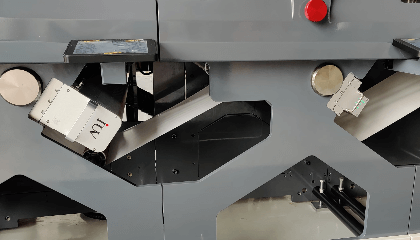
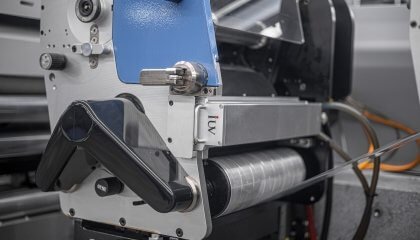
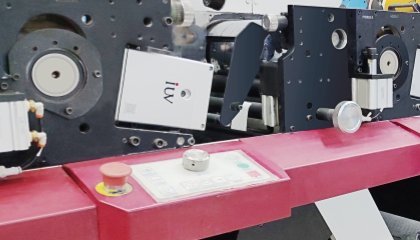
Integrating LED UV curing systems into existing printing workflows requires careful planning. Factors such as the type of press, the desired web speed, and the specific inks being used all play a role in selecting the appropriate LED system. The placement of the UV lamps (inter-station or end-of-press) is also important for optimizing the curing process.
Modern presses are often designed with dedicated space for LED UV units, but retrofitting older equipment is also common. When considering a new installation, consulting with equipment manufacturers and experienced engineers is advisable to ensure optimal placement and power output for the intended applications. The goal is to ensure that the UV energy delivered is sufficient to cure the ink effectively at the press’s maximum operating speed.
The Future of Print Curing
LED UV curing is not just a trend; it’s a foundational technology shaping the future of the printing industry. Its ability to deliver high-speed production without compromising the visual and physical quality of printed output makes it an indispensable tool for label printers, narrow web converters, and flexographic and offset specialists. As technology continues to advance, we can expect even more efficient and versatile LED UV curing solutions to emerge, further solidifying its position as the preferred method for rapid and high-quality ink drying. The pursuit of optimizing drying speed while upholding the highest standards of print quality has found its definitive answer in LED UV technology.