<!-- Meta Pixel Code --> <!-- 结束元像素代码 -->

How LED UV Curing Improves Productivity in High-Speed Printing Lines

How LED UV Curing Improves Productivity in High-Speed Printing Lines

Revolutionizing Speed: How LED UV Curing Elevates High-Speed Printing Productivity

The relentless demand for faster print production cycles is a constant challenge. In the fast-paced world of labels, flexible packaging, and commercial printing, every second counts. Traditional curing methods often introduce bottlenecks, slowing down even the most advanced printing presses. Enter LED UV curing technology. This innovative solution is dramatically reshaping high-speed printing lines, offering unparalleled gains in efficiency and output.

The Bottleneck of Conventional Curing

For years, conventional UV curing systems, relying on mercury vapor lamps, dominated the industry. While effective, these lamps come with significant drawbacks. They generate substantial heat, requiring extensive cooling systems that consume energy and add complexity. Their lifespan is limited, necessitating frequent and costly replacements. Furthermore, their “instant on/off” capability is often lacking, meaning they run continuously, wasting energy when not actively curing ink. This continuous energy draw and the need for lamp warm-up and cool-down periods directly impede the achievable speeds of a printing press. The heat generated can also limit substrate choices, forcing printers to use only heat-resistant materials, thereby restricting design and application possibilities.

The LED UV Advantage: Instant, Efficient Curing

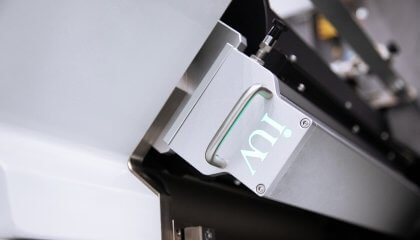
LED UV curing systems operate on an entirely different principle. Instead of broad-spectrum mercury vapor, they utilize light-emitting diodes (LEDs) that emit specific wavelengths of UV light. This targeted approach offers a cascade of benefits for high-speed operations.

Immediate Full Power

One of the most significant productivity enhancers is the instant on/off capability of LEDs. Unlike mercury lamps, LEDs reach their full curing power immediately. This means they only consume energy when actively curing ink, leading to substantial energy savings. More importantly, this instantaneous activation allows printing presses to run at their absolute maximum speed without any warm-up or cool-down delays associated with traditional lamps. The printing process doesn’t have to pause or slow down to accommodate the curing equipment.

Reduced Heat, Broader Substrate Range

LED UV lamps emit very little infrared heat compared to their mercury counterparts. This is a game-changer for high-speed printing. Lower operating temperatures mean less strain on the printing press and its components. Crucially, it opens the door to printing on a much wider array of heat-sensitive substrates, including thin films, certain plastics, and delicate papers. This expanded substrate capability allows printers to take on more diverse jobs and offer unique product options without needing specialized equipment for each material.

Consistent Performance and Longer Lifespan

LED UV systems boast an incredibly long operational life, often exceeding 20,000 hours, far surpassing that of mercury lamps. This significantly reduces downtime for lamp replacement and associated maintenance costs. Moreover, LED output remains consistent throughout their lifespan, ensuring uniform curing quality from the first print to the last. This reliability is paramount in high-speed environments where any variation in cure can lead to waste and costly reprints.

Impact on Specific Printing Applications

The benefits of LED UV curing are particularly pronounced in sectors that rely on rapid turnaround times and high-volume production.

Label Printing Precision and Speed

In the competitive label printing market, speed and efficiency are paramount. Narrow web presses producing labels for food, beverages, pharmaceuticals, and consumer goods demand rapid job changes and high throughput. LED UV curing allows these presses to operate at their peak mechanical speeds, achieving faster print runs. The instant cure enables immediate handling and finishing of printed labels, reducing the time from press to shipping. The ability to print on a variety of label stocks, including transparent films and metallic foils, without heat-related distortion is also a major advantage.

Flexible Packaging: Barrier Properties and Speed

For flexible packaging printers, LED UV curing offers enhanced functionality. The technology enables the use of specialized UV inks and coatings that can improve barrier properties against moisture and oxygen, crucial for food preservation. High-speed presses can achieve faster lamination speeds or immediate handling for subsequent processing steps. The reduced heat also protects the integrity of thinner films, preventing shrinkage or degradation that could compromise the final package’s performance and appearance.

Narrow Web Printing Versatility

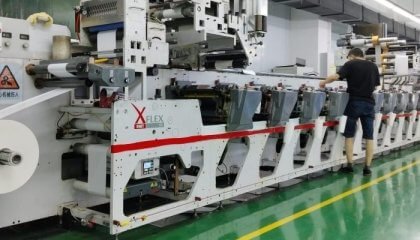
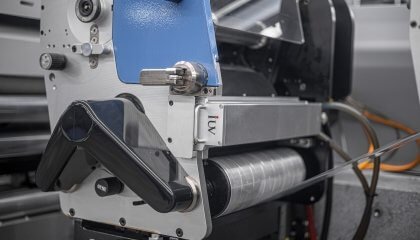
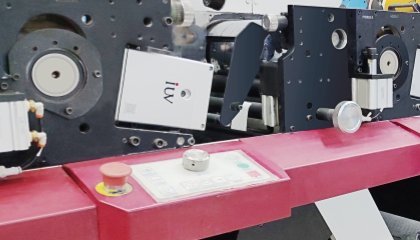
Narrow web printing, often used for labels and specialty packaging, benefits immensely from the compact nature and low heat output of LED UV systems. These systems can be easily integrated into existing narrow web presses without requiring significant modifications. The immediate cure allows for inline finishing processes such as die-cutting, slitting, and varnishing at maximum press speeds, creating a seamless and highly productive workflow.

Flexographic Printing Efficiency

Flexographic printing, a workhorse for packaging and labels, finds a powerful ally in LED UV curing. High-speed flexo presses can now achieve faster speeds and handle a wider range of inks and substrates. The precise wavelength control of LEDs ensures efficient curing of specialized flexo inks, leading to excellent print quality, adhesion, and durability. The reduced heat prevents plate distortion and substrate curl, maintaining print registration and reducing waste.

Offset (Sheetfed and Web) Productivity

Even in offset printing, both sheetfed and web applications are seeing productivity boosts. High-speed offset presses can now benefit from instant curing between printing units or after the final color. This allows for immediate stacking of sheets or rewinding of web rolls without smudging or offsetting, drastically reducing the time required for post-press handling and accelerating the overall production cycle.

Energy Savings and Environmental Considerations

Beyond productivity, LED UV curing presents significant environmental advantages. The energy efficiency of LEDs translates directly into lower electricity bills. The elimination of mercury lamps also removes hazardous waste disposal concerns. This shift towards more sustainable printing practices aligns with growing consumer and regulatory demand for eco-friendly manufacturing.

Conclusion: The Future is Fast and Cured

LED UV curing technology is not just an incremental improvement; it’s a fundamental shift in how high-speed printing lines operate. By eliminating curing bottlenecks, reducing heat, expanding substrate options, and offering superior energy efficiency, LED UV is empowering printers to achieve unprecedented levels of productivity, quality, and versatility. For any operation focused on maximizing output and staying competitive in today’s demanding market, embracing LED UV curing is no longer an option – it’s a necessity for future success.

Contact IUV Curing Experts

滚动至顶部