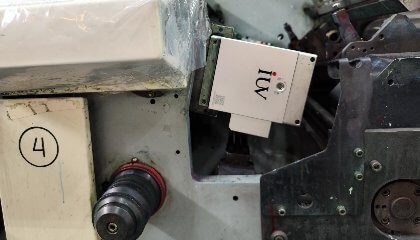
In the world of modern printing, achieving high-quality results consistently is essential for success. Whether it’s label printing, flexographic printing, or narrow-web printing, one of the most critical factors in ensuring high-quality output is the performance of the ink. Ink performance can be significantly enhanced with the use of LED curing systems. These systems are revolutionizing the printing industry by offering superior gloss consistency, faster curing times, and improved environmental benefits. This article explores how LED curing systems are transforming ink performance, particularly in UV printing applications.
The Importance of Ink Performance in Printing
Ink performance plays a central role in determining the final print quality. Key attributes such as color vibrancy, adhesion, and gloss depend largely on the curing process. In traditional printing methods, inks are typically dried by evaporation or heat, but these methods can be slow, inefficient, and environmentally taxing. LED curing systems, on the other hand, utilize light to trigger a photochemical reaction in UV inks, rapidly curing them with minimal heat. This results in superior ink performance, especially in terms of gloss consistency and durability.
How LED Curing Systems Work
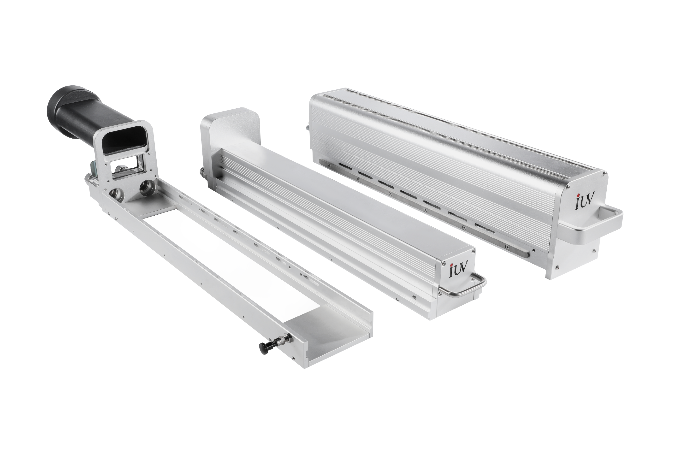
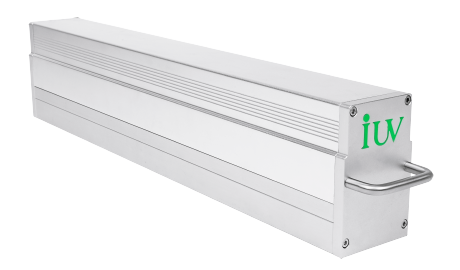
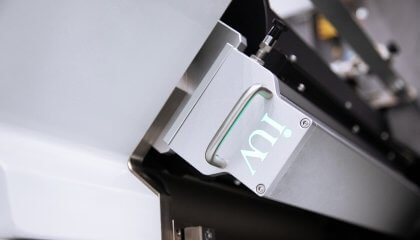
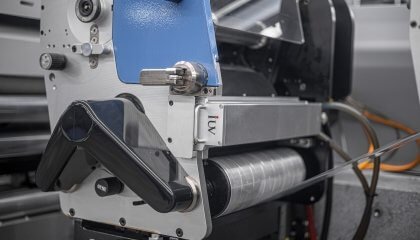
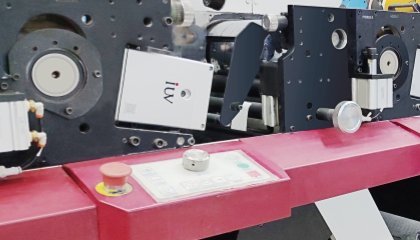
LED curing systems use light-emitting diodes (LEDs) to cure UV inks. Unlike conventional mercury vapor lamps, which emit broad-spectrum UV light, LEDs emit a narrow spectrum of light, typically in the UV-A range. This precise wavelength triggers the polymerization process in UV inks, causing them to dry and harden almost instantaneously. The key benefit of this system is the ability to achieve curing without significant heat, making it ideal for sensitive substrates and ensuring that the ink stays intact and consistent.
One of the primary benefits of LED curing over traditional methods is its ability to cure inks at much lower temperatures. This is particularly beneficial for printing on heat-sensitive materials such as films, foils, and certain papers. Moreover, LED curing systems can be precisely controlled, allowing for uniform curing across the entire print run. This results in more consistent gloss levels and a higher overall print quality.
Advantages of LED Curing for Gloss Consistency
One of the standout advantages of LED curing is its ability to provide superior gloss consistency. Gloss consistency is critical for high-end printing applications, such as packaging, labels, and product decoration. In traditional drying methods, achieving uniform gloss can be challenging due to fluctuations in heat, humidity, and drying times. With LED curing, the UV inks are cured with precision, resulting in a high-quality gloss finish that is consistent across the entire print job.
Moreover, the instant curing provided by LED systems minimizes the risk of smudging or uneven drying. This ensures that the ink stays in place and retains its desired sheen, preventing issues such as dull spots or inconsistent gloss levels that can affect the overall appearance of the print.
Benefits for Label Printing and Flexographic Applications
LED curing systems offer significant advantages in label printing, a sector that demands high-quality finishes and quick turnarounds. In label printing, where intricate designs and vibrant colors are crucial, the precision of LED curing ensures that the inks are perfectly cured without any overexposure to heat. This results in sharp, clean prints that retain their clarity and vibrancy. Additionally, the quick curing times allowed by LED systems reduce downtime between print runs, increasing the overall efficiency of label printing operations.
In flexographic printing, where fast printing speeds are often required, LED curing systems also offer remarkable benefits. Traditional curing methods can slow down production due to the time required for heat to dissipate. LED curing, however, provides instant results, enabling printers to maintain high speeds without compromising on print quality. The ability to print at faster speeds while ensuring that the gloss and ink consistency are maintained makes LED curing a valuable tool for flexographic printers.
Narrow-Web Printing and UV Ink Performance
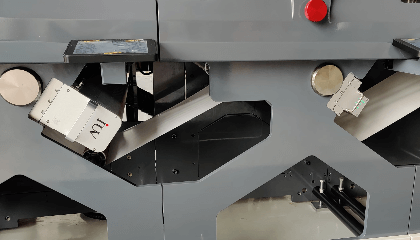
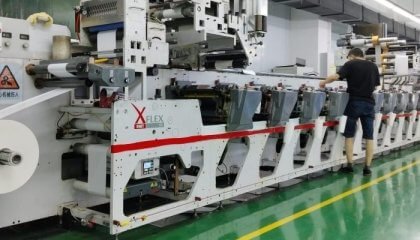
Narrow-web printing, often used for printing labels, flexible packaging, and other small-scale printing jobs, also benefits from LED curing technology. Narrow-web printing presses often print on thin substrates and require precision curing to avoid damaging the material. The low-heat nature of LED curing systems makes them ideal for these applications, as they cure the ink quickly without causing deformation or distortion of the substrate. The result is a clean, glossy print with consistent color and ink adhesion.
For narrow-web printers, LED curing systems offer an edge in terms of energy efficiency as well. Since LED lamps consume less power than traditional mercury vapor lamps, printers can reduce their energy consumption while maintaining high-quality results. This reduction in energy use also has a positive environmental impact, as it lowers the carbon footprint of the printing operation.
Reduced Curing Time for Increased Productivity
In addition to improving gloss consistency, LED curing systems also offer a significant reduction in curing time compared to traditional UV curing methods. The instant curing effect of LED lamps allows printers to speed up the overall production process, reducing waiting times between printing and finishing stages. This time-saving advantage is particularly beneficial in high-volume printing operations where quick turnaround times are essential.
By reducing curing time, LED curing systems allow printers to take on more jobs and produce higher quantities of prints in less time. This increased productivity not only leads to higher output but also improves profitability by streamlining the entire printing process.
Environmental and Cost Benefits of LED Curing Systems
LED curing systems also provide significant environmental benefits compared to traditional curing methods. Since LED lamps emit no harmful mercury, they are more environmentally friendly and safer to use. Additionally, LED lamps have a longer lifespan, which reduces the frequency of replacements and lowers maintenance costs. As a result, LED curing systems contribute to a more sustainable and cost-effective printing process.
Furthermore, the lower energy consumption of LED systems makes them a more cost-effective option for printers in the long run. By consuming less power and reducing the need for costly cooling systems, LED curing systems can help printers reduce their operational costs while maintaining high-quality output.
Conclusion
Incorporating LED curing systems into the printing process offers numerous advantages, from improved ink performance and gloss consistency to increased productivity and environmental benefits. Whether in label printing, flexographic printing, or narrow-web applications, LED curing technology is transforming the way printers achieve high-quality, consistent results. By providing instant curing, superior gloss, and enhanced ink adhesion, LED curing systems are helping printers meet the growing demands for fast, high-quality printing in an environmentally friendly and cost-effective manner.