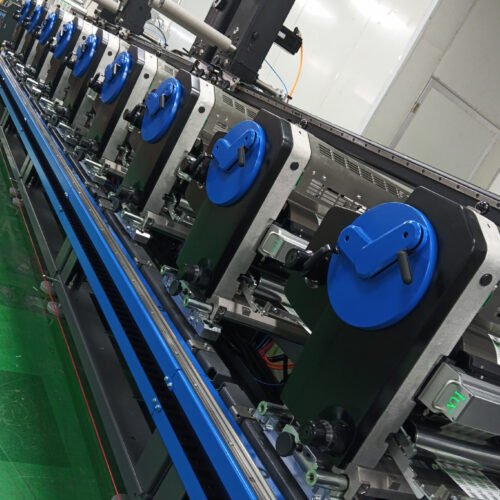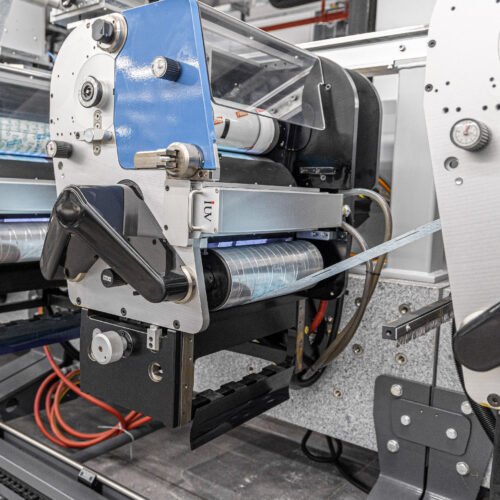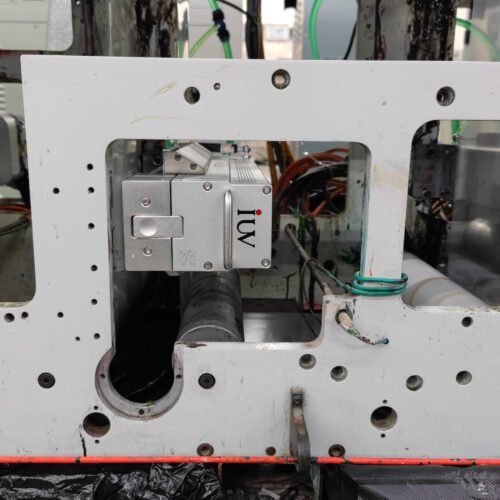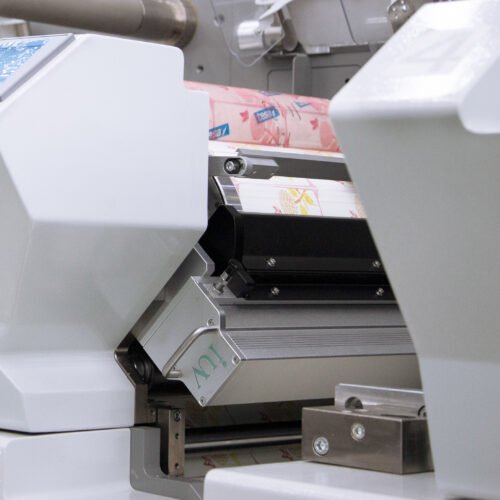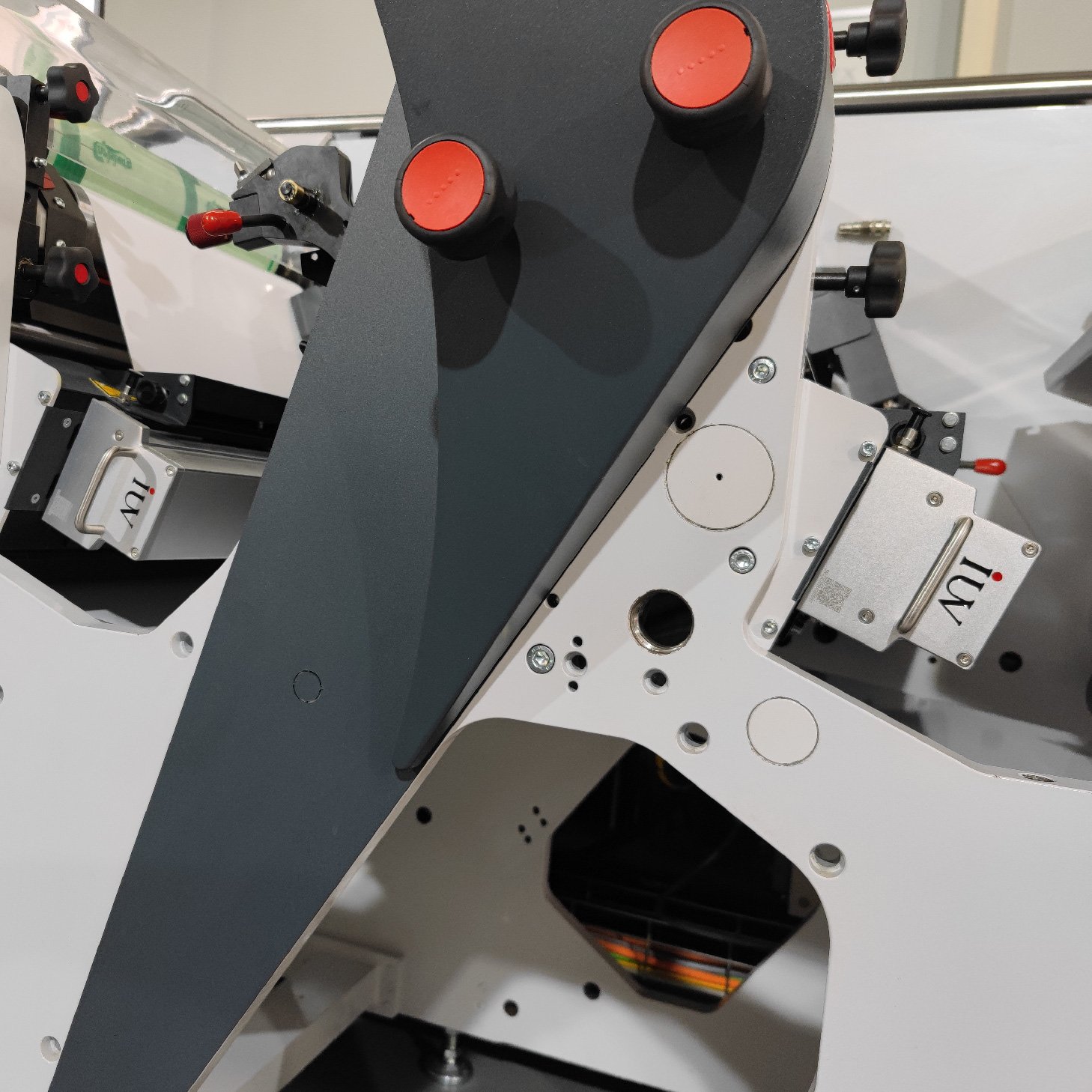
Discover how LED curing systems are revolutionizing the printing industry by significantly reducing energy consumption. If you’re involved in label printing, flexographic printing, offset printing, or narrow web printing, understanding this technology is key to improving efficiency and sustainability.
Traditional UV curing methods often rely on mercury vapor lamps. These lamps generate substantial heat and consume a considerable amount of electricity. They also have a limited lifespan and require frequent replacement. This leads to ongoing operational costs and environmental concerns.
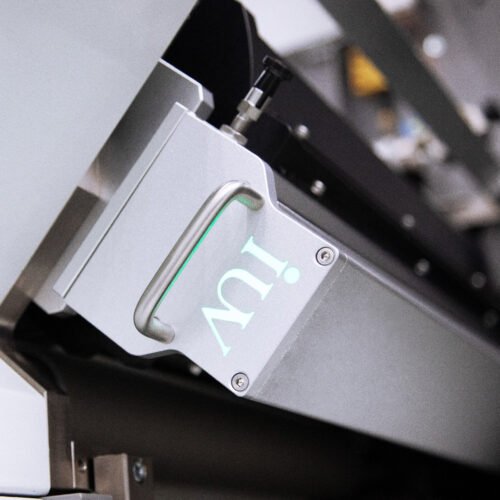
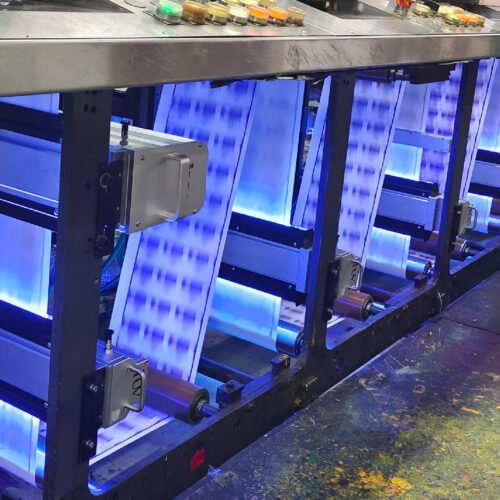
LED UV curing technology offers a compelling alternative. Light Emitting Diodes (LEDs) are semiconductor devices that emit light when an electric current passes through them. In printing applications, these LEDs are arranged in arrays to provide the necessary UV light for curing inks and coatings.
One of the most significant advantages of LED curing is its drastically lower energy consumption. Compared to conventional UV lamps, LED systems can use up to 70% less energy. This is a substantial saving that directly impacts your bottom line. Imagine the reduction in your monthly electricity bills!
The efficiency of LED curing stems from its design. LEDs emit light directionally, meaning more of the emitted energy is focused on the substrate. They also operate at much lower temperatures. This reduces the need for extensive cooling systems, which further conserves energy. Less heat generation also means less stress on the printing equipment and the printed materials themselves.
For label printers, this energy efficiency translates into more competitive pricing. You can pass on some of these savings to your clients, making your services more attractive. In the fast-paced world of narrow web printing, where margins can be tight, every bit of cost reduction counts.
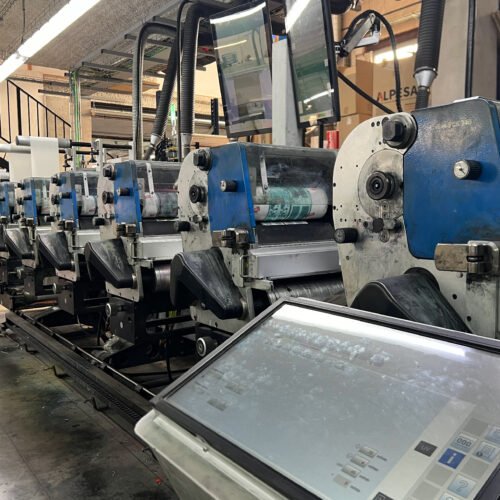
Flexographic printing, often used for packaging and labels, can greatly benefit from LED curing. The ability to cure inks and coatings instantly at lower temperatures allows for faster production speeds. This increased throughput, combined with reduced energy use, enhances overall productivity. The precise control over the UV output from LED systems also leads to more consistent print quality, reducing waste from errors.
Offset printing, while traditionally associated with heat-set drying, is increasingly adopting UV curing. For applications requiring fast drying and high-gloss finishes, LED UV is becoming a viable option. The lower energy footprint makes it a more sustainable choice for offset operations looking to modernize.
The environmental benefits of LED curing extend beyond energy savings. Mercury vapor lamps contain hazardous materials. Their disposal requires special handling. LED systems, on the other hand, are mercury-free, making them a greener and safer option. This aligns with growing consumer and regulatory demand for sustainable printing practices.
Furthermore, LED curing systems have a much longer operational life than traditional UV lamps. While mercury lamps might last for 1,000 to 3,000 hours, LED arrays can operate for 20,000 to 30,000 hours or more. This means fewer replacements, less downtime for maintenance, and reduced waste from discarded lamps. The cost of ownership over the lifespan of the equipment is significantly lower.
The instant on/off nature of LEDs also contributes to energy savings. Unlike mercury lamps that require a warm-up period and continue to consume power even when not actively curing, LEDs can be switched on and off as needed. This is particularly beneficial in printing environments where the press may stop and start frequently.
When considering an upgrade to LED curing, several factors come into play. The wavelength of the UV light emitted by the LEDs needs to match the specific requirements of the inks and coatings you are using. Fortunately, LED technology offers a wide range of wavelengths, allowing for custom solutions tailored to virtually any printing application.
The intensity of the UV light, often measured in Watts per square centimeter (W/cm²), is another important parameter. LED systems can deliver high intensities, ensuring rapid and thorough curing. The uniformity of the light across the print width is also crucial for consistent results, and modern LED curing systems are designed to provide excellent uniformity.
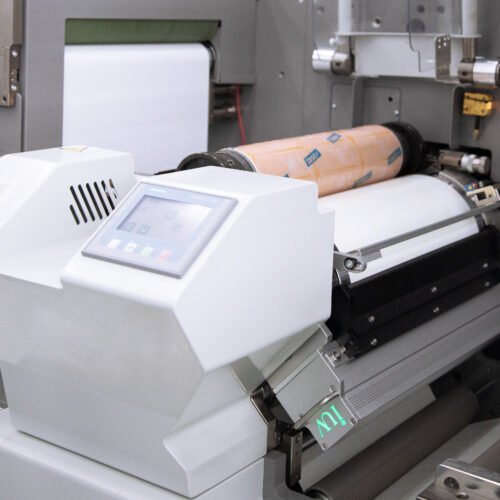
For narrow web printers, space is often at a premium. LED curing systems are typically more compact than traditional UV systems, making them easier to integrate into existing press configurations. This ease of integration, coupled with the reduced energy demand, makes them an attractive upgrade for businesses of all sizes.
The investment in LED curing technology might seem substantial upfront. However, the long-term savings in energy costs, reduced maintenance, and fewer consumables quickly offset the initial expenditure. Many businesses find that the return on investment is achieved within a relatively short period.
Moreover, the improved print quality and increased production speeds enabled by LED curing can lead to greater customer satisfaction and higher revenue potential. Faster job turnaround times mean you can handle more orders, further boosting your business’s profitability.
The printing industry is continually evolving. Adopting advanced technologies like LED UV curing is not just about staying competitive; it’s about embracing a more sustainable and efficient future. By choosing LED curing, you are making a smart investment that benefits your business, your clients, and the environment. Explore the possibilities and see how LED curing systems can illuminate your path to lower energy consumption and enhanced printing operations.