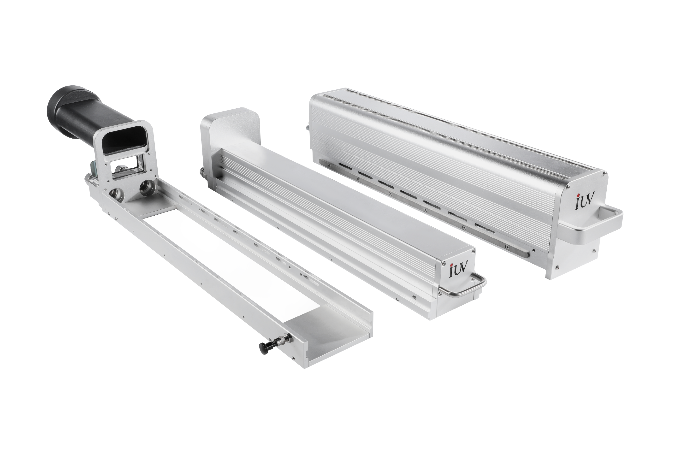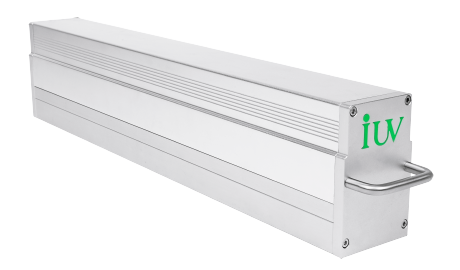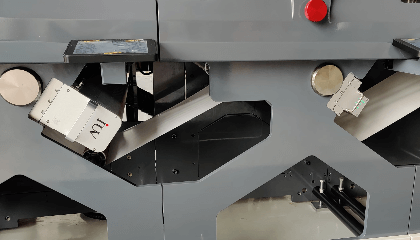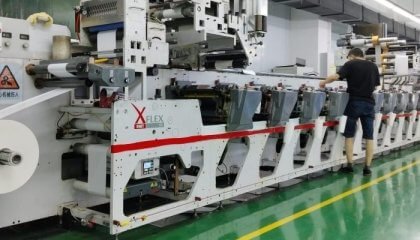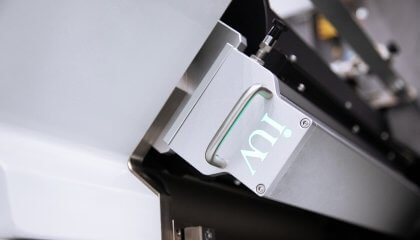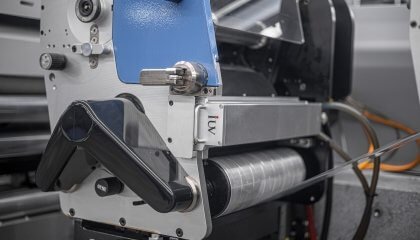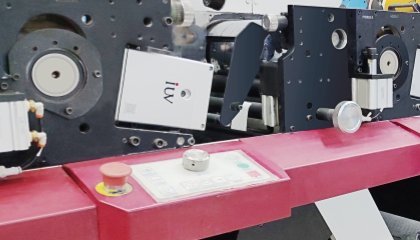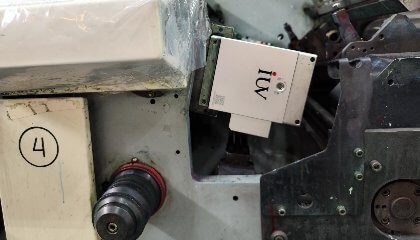
The landscape of narrow-web label production is undergoing a significant transformation. At the heart of this evolution lies a technological leap in curing systems. Specifically, high-intensity LED curing systems are proving to be a game-changer, dramatically enhancing the quality of labels produced through flexographic and offset printing methods. For converters and brand owners alike, understanding this shift is key to staying competitive and meeting the ever-increasing demands for vibrant, durable, and high-performance labels.
The Evolution of UV Curing in Narrow-Web Printing
For years, UV curing has been a staple in the label printing industry. Traditional mercury vapor lamps offered a reliable way to instantly dry inks and coatings. However, these systems come with inherent limitations. They generate substantial heat, which can be detrimental to sensitive substrates and impact dimensional stability. They also require frequent and costly replacement of lamps and ballasts, contributing to higher operational expenses and environmental concerns due to mercury disposal.
The advent of LED UV curing technology presented a more sustainable and efficient alternative. Early LED systems, while promising, often lacked the intensity needed to match the speeds and performance of mercury lamps in demanding narrow-web applications. This gap has now been decisively closed. Modern high-intensity LED curing systems deliver exceptional UV output, enabling faster printing speeds and the curing of a wider range of ink and coating formulations without compromising quality.
Driving Quality Improvements: Ink Adhesion and Durability
One of the most pronounced benefits of high-intensity LED curing is its impact on ink adhesion and overall durability. The precise and powerful UV light emitted by LEDs promotes a more thorough and efficient polymerization process within UV-curable inks and coatings. This leads to a more robust cross-linking of ink molecules, resulting in superior adhesion to a variety of substrates, including challenging films and papers.
For narrow-web flexographic and offset printing, where intricate details and vibrant colors are paramount, this enhanced adhesion translates directly to improved print quality. Labels produced with LED curing exhibit greater resistance to scuffing, scratching, and chemical attack. This is crucial for labels that are exposed to harsh environments, frequent handling, or require long-term product integrity. Think of durable goods, food and beverage labels that undergo washdowns, or automotive labels that must withstand extreme temperatures and oils. High-intensity LED curing ensures these labels maintain their pristine appearance and functional performance.
Color Brilliance and Ink Clarity: A Visual Upgrade
The visual impact of a label is often the first point of contact with a consumer. High-intensity LED curing systems play a vital role in ensuring this impact is as powerful as possible. The controlled and focused UV spectrum from LEDs minimizes the risk of substrate degradation or yellowing that can occur with the broad spectrum and heat of older UV technologies. This allows for the faithful reproduction of vibrant colors and sharp, clean graphics.
Furthermore, the efficiency of LED curing can lead to better ink film integrity. This means that inks cure evenly and without pinholing or incomplete curing issues, which can mar the visual appeal and clarity of printed elements. The result is a label with a higher perceived value, enhanced brand messaging, and improved shelf appeal. For specialized finishes like high-gloss varnishes or matte coatings, the precise curing provided by LED systems ensures these effects are delivered with uniformity and professional polish.
Substrate Compatibility and Versatility
The reduced heat output of LED curing systems is a significant advantage when printing on heat-sensitive substrates commonly used in narrow-web label production. Materials such as thin films, certain coated papers, and even some plastics can warp, shrink, or degrade under the intense heat generated by traditional UV lamps. High-intensity LED systems operate at much lower temperatures, preserving the integrity of these delicate materials.
This expanded substrate compatibility opens up new possibilities for label design and application. Converters can confidently explore a wider range of materials to achieve specific tactile effects, barrier properties, or aesthetic goals. Whether it’s a premium wine label on textured paper or a functional label on a flexible packaging film, high-intensity LED curing provides the confidence that the substrate will remain stable throughout the curing process. This versatility is a key driver for innovation in label design.
Process Efficiency and Cost Savings
Beyond the direct impact on print quality, high-intensity LED curing systems offer substantial benefits in terms of operational efficiency and cost savings. The instant on/off capability of LEDs means that energy is only consumed when the lamps are actively curing, unlike mercury lamps that require a warm-up period and continuous energy draw. This leads to significant energy savings over time.
The lifespan of LED lamps is also dramatically longer than that of mercury lamps, often lasting tens of thousands of hours. This drastically reduces the frequency of lamp replacements, minimizing downtime, labor costs, and the expense associated with purchasing new lamps and ballasts. The consistent UV output of LEDs also means less variability in the curing process, reducing waste due to off-spec production runs.
Environmental Benefits and Workplace Safety
The shift to high-intensity LED curing aligns with the growing industry focus on sustainability and environmental responsibility. The reduced energy consumption translates to a smaller carbon footprint. Furthermore, the absence of mercury in LED lamps eliminates the hazardous waste associated with disposal, making them a far more environmentally friendly choice.
From a workplace safety perspective, the lower heat output reduces the risk of burns and improves the overall working environment for press operators. The ozone-free nature of LED curing also means less need for extensive ventilation systems, further contributing to a safer and more pleasant working space.
The Future of Narrow-Web Label Production
High-intensity LED curing systems are no longer an emerging technology; they are a mature and indispensable tool for modern narrow-web label converters. Their ability to deliver superior print quality through enhanced adhesion, vibrant color reproduction, and exceptional durability, all while offering increased substrate versatility and significant operational efficiencies, makes them a clear choice for those looking to excel.
For flexographic and offset printers in the narrow-web sector, embracing this technology is not just about upgrading equipment; it’s about investing in the future of their business. It’s about meeting customer expectations for higher quality, enabling innovative label designs, and achieving greater profitability through more efficient and sustainable production processes. The transformation is happening now, and high-intensity LED curing is leading the way to a new era of label production quality.