<!-- Meta Pixel Code --> <!-- 结束元像素代码 -->

How High-Intensity LED Curing Systems Support Advanced Packaging Trends

How High-Intensity LED Curing Systems Support Advanced Packaging Trends

The landscape of packaging is in constant motion. Brands and consumers alike demand more functionality, better aesthetics, and enhanced sustainability. Meeting these evolving needs presents a unique set of challenges for the printing industry. Fortunately, advancements in curing technology, particularly high-intensity LED systems, are proving to be powerful allies in this transformation, especially within narrow web, flexographic, and offset printing applications.

The Drive for Advanced Packaging

What constitutes “advanced packaging”? It’s a broad term, but it often encompasses several key trends. We see a surge in demand for sophisticated finishes – tactile effects, metallic shines, and vibrant color shifts that capture attention on crowded shelves. There’s also a growing need for packaging that offers more than just containment; think smart labels with integrated electronics, or packaging designed for enhanced product protection and extended shelf life. Furthermore, the environmental imperative is undeniable. Printers are under pressure to reduce their carbon footprint, minimize waste, and utilize more sustainable materials.

These trends translate directly into demands on the printing process. Achieving high-impact visual effects requires inks and coatings that can cure rapidly and completely, even on challenging substrates. Integrating electronic components necessitates precision printing and the ability to cure sensitive materials without degradation. And the push for sustainability means processes that are more energy-efficient, produce less VOCs, and allow for the use of thinner, more recyclable films.

The Limitations of Traditional Curing

For decades, mercury vapor lamps have been the workhorse of UV curing. While they have served the industry well, they come with inherent drawbacks that become more pronounced as packaging demands increase. Mercury lamps have a relatively broad spectral output, meaning they emit a wide range of UV wavelengths, some of which are not efficiently utilized for curing. This leads to wasted energy and increased heat generation.

The heat output from mercury lamps can be a significant issue, particularly when printing on heat-sensitive substrates like thin films commonly used in flexible packaging. Excessive heat can cause substrate distortion, ink drift, and even damage to the material itself. Furthermore, mercury lamps have a finite lifespan and require regular replacement, adding to operational costs and posing disposal challenges due to their mercury content. Their warm-up and cool-down times also impact production efficiency, leading to downtime between jobs or during setup.

Enter High-Intensity LED Curing

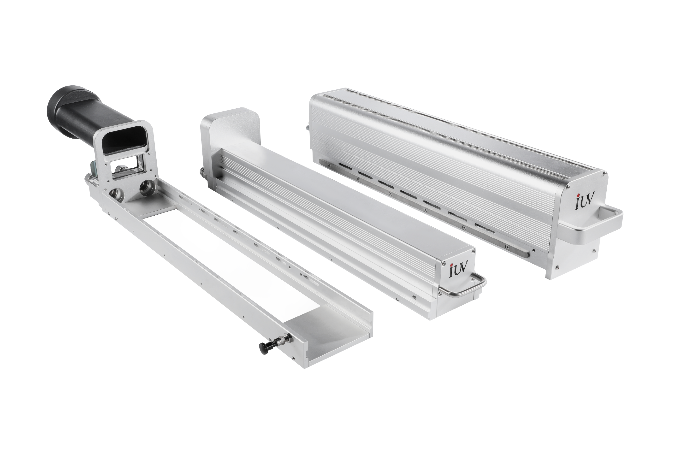
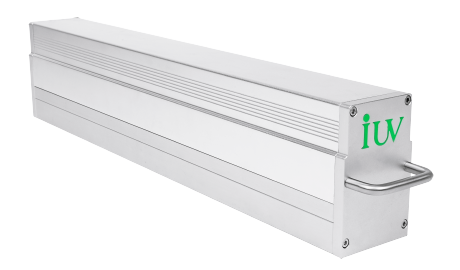
High-intensity LED curing systems represent a paradigm shift. Unlike mercury lamps, LEDs emit a narrow, specific wavelength of UV light that is precisely matched to the absorption peaks of UV-curable inks and coatings. This targeted approach offers a multitude of advantages.

Firstly, energy efficiency is dramatically improved. Because the light emitted by LEDs is so specific, virtually all of the energy is converted into curing action, rather than being wasted as heat or non-curable wavelengths. This translates to significant power savings, often in the range of 50-70% compared to traditional mercury systems.

Secondly, reduced heat output is a major benefit. LEDs generate far less heat, allowing printers to run at higher speeds on heat-sensitive substrates without the risk of distortion or damage. This opens up possibilities for printing on a wider range of materials, including delicate films and foils, which are crucial for advanced packaging solutions.

Thirdly, instant on/off capability enhances productivity. LEDs reach full intensity immediately, eliminating warm-up times. This means less waiting between jobs and quicker setup. When the lamp is switched off, it’s off – no residual heat or lingering UV output. This precise control is invaluable for multi-stage printing processes or when switching between different types of inks and coatings.

Fourthly, extended lifespan and consistency contribute to lower operational costs and predictable performance. LED lamps can last tens of thousands of hours, significantly longer than mercury lamps. They also maintain their spectral output and intensity consistently over their lifetime, ensuring repeatable curing results job after job. This consistency is vital for achieving the high-quality, precise finishes required for advanced packaging.

Finally, environmental considerations are met. LEDs are mercury-free, making disposal less problematic. Their lower energy consumption also contributes to a reduced carbon footprint.

High-Intensity LEDs in Narrow Web and Flexography

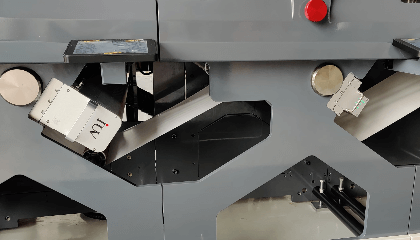
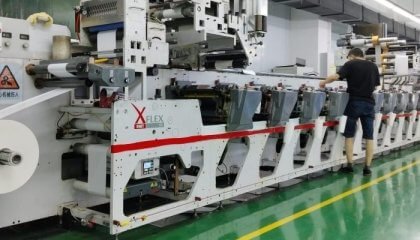
The narrow web label and flexible packaging sectors are prime beneficiaries of high-intensity LED technology. In label printing, where speed, efficiency, and diverse finishes are paramount, LEDs excel. They enable printers to achieve faster line speeds with full cure, meaning no compromises on throughput. The ability to run at lower temperatures is crucial for printing on the thin films and papers used for many labels, including those for food, pharmaceuticals, and cosmetics where material integrity is non-negotiable.

For flexographic printing, high-intensity LEDs offer enhanced ink adhesion and gloss. The precise wavelength allows for very efficient polymerization of UV-curable inks and varnishes. This translates to sharper print definition, more vibrant colors, and more durable, scratch-resistant finishes. As flexo presses become more sophisticated, with higher resolutions and finer details, the precise and consistent curing provided by LEDs becomes indispensable for realizing the full potential of the print quality. The integration of special effects like spot varnishes, tactile coatings, and metallic inks is made more reliable and repeatable.

High-Intensity LEDs in Offset Printing

While traditionally associated with different curing methods, offset printing is also increasingly adopting UV technology, and high-intensity LEDs are making inroads. In sheetfed offset, where high-quality graphics and rapid turnaround are key, LEDs can facilitate faster drying of inks and coatings, allowing sheets to be immediately sent to finishing processes like die-cutting or folding. This accelerates the entire production cycle.

For packaging offset applications, the ability of LEDs to cure effectively on a wider range of substrates, including plastics and foils, is a significant advantage. This expands the design possibilities for premium packaging. The consistent curing also ensures that inks and coatings meet stringent requirements for rub resistance, chemical resistance, and food safety, all of which are critical in the packaging world.

Supporting Advanced Packaging Trends with LED Curing

Let’s connect these capabilities directly to the advanced packaging trends:

  • Enhanced Aesthetics and Special Effects: High-intensity LEDs enable the rapid and complete curing of specialized inks and varnishes required for tactile effects, high-gloss finishes, and metallic sheens. The precision of LED wavelengths ensures optimal performance of these advanced coatings, leading to premium visual and sensory appeal without compromising speed or substrate integrity.
  • Smart Packaging and Functional Prints: As packaging integrates electronics, RFID tags, or conductive inks, precise and low-heat curing becomes essential. High-intensity LEDs can cure these sensitive functional layers without damaging underlying components or the substrate. Their consistent output guarantees the reliable performance of these integrated technologies.
  • Sustainable Printing Practices: The dramatic reduction in energy consumption associated with LED systems directly supports sustainability goals. Furthermore, the ability to cure on a wider range of substrates, including thinner films, can contribute to material reduction and lighter packaging. The mercury-free nature of LEDs also aligns with environmental responsibility.
  • Increased Production Efficiency and Versatility: The instant on/off capability and faster curing speeds allow for higher press speeds and reduced downtime, leading to increased throughput. The versatility of LEDs in handling various substrates and ink types means printers can adapt more easily to diverse packaging orders and emerging trends, reducing the need for multiple specialized curing units.

The Future is Bright (and Cured)

High-intensity LED curing systems are not just an upgrade; they are an enabler of innovation in the printing industry. For narrow web, flexographic, and offset printing operations serving the advanced packaging market, adopting this technology is becoming increasingly strategic. The ability to achieve superior print quality, integrate new functionalities, enhance sustainability, and boost production efficiency makes high-intensity LED curing a cornerstone of modern packaging printing. As the demands for sophisticated, functional, and environmentally conscious packaging continue to grow, LED technology will undoubtedly play an even more critical role in shaping the future of how products are presented and protected.

Contact IUV Curing Experts

滚动至顶部