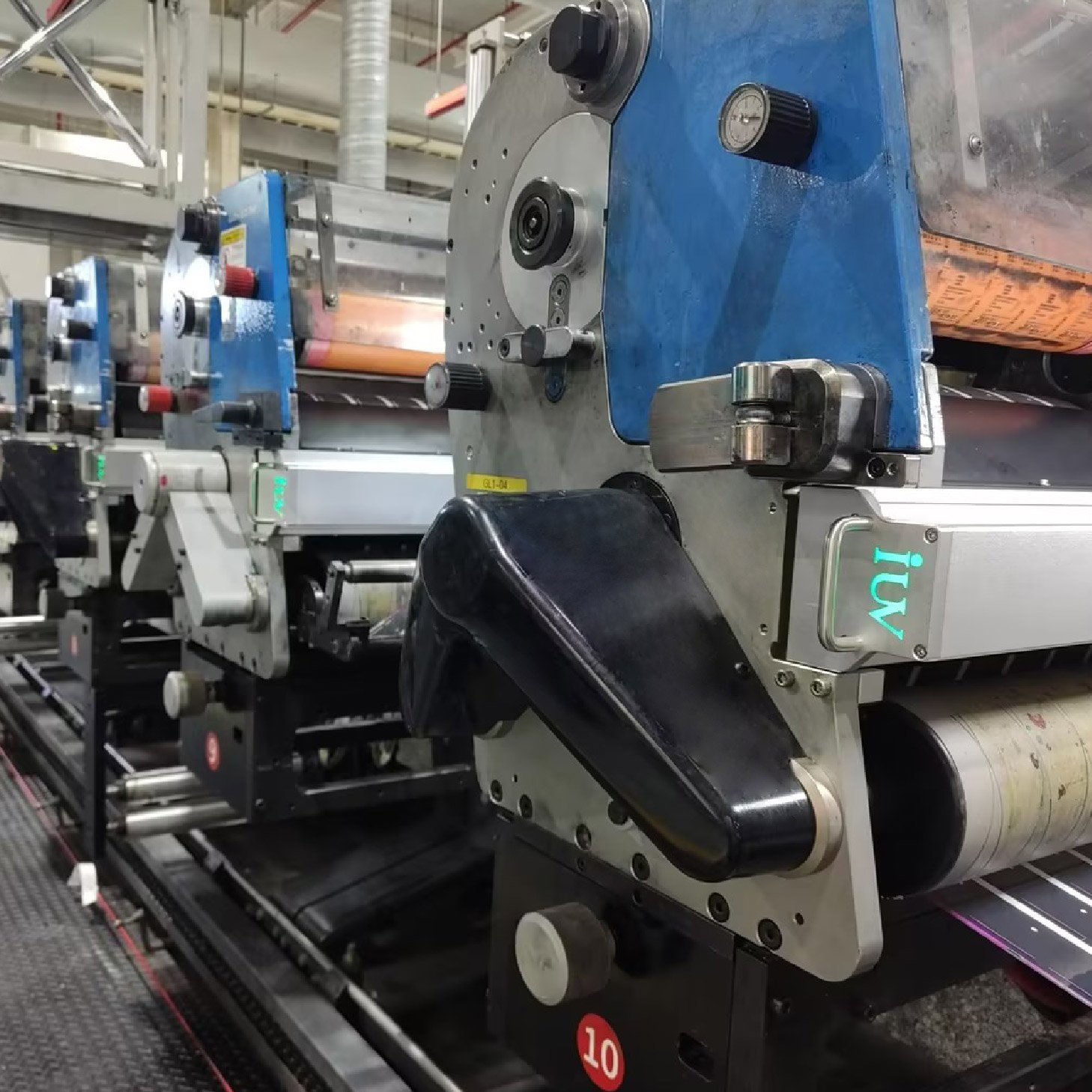
In the competitive landscape of modern printing, speed and efficiency are paramount. The demand for faster product turnaround times directly impacts a printer’s ability to meet client deadlines and maintain a profitable operation. Traditional curing methods, while effective, often present bottlenecks that slow down the production line. However, the advent of high-intensity LED curing systems is fundamentally changing this paradigm, offering significant advantages, particularly in demanding sectors like label, flexographic, offset, and narrow-web printing.
The Limitations of Conventional Curing
For years, mercury vapor lamps have been the standard for UV curing in printing. These systems rely on generating UV light through an electrical arc within a mercury vapor. While they provide a broad spectrum of UV light necessary for curing inks and coatings, they come with inherent drawbacks.
One major issue is their significant heat output. This heat can affect the substrate, leading to potential warping or distortion, especially with sensitive materials common in label printing. Furthermore, mercury lamps have a limited lifespan and require regular, costly replacement. Their energy consumption is also substantial, contributing to higher operational costs. Most importantly, their curing speed, while adequate for older processes, often lags behind the accelerating demands of contemporary printing workflows. Achieving a full cure can take precious seconds, adding up to significant delays across a long print run.
Enter High-Intensity LED Curing
High-intensity LED curing systems represent a technological leap forward. Instead of mercury vapor, they utilize arrays of Light Emitting Diodes (LEDs) that emit UV light at specific, narrow wavelengths. This targeted emission is a key advantage.
One of the most immediate benefits is the dramatic reduction in heat. LEDs generate very little infrared radiation, meaning they produce minimal heat transfer to the substrate. This allows printers to work with a wider range of materials, including heat-sensitive films and papers, without compromising quality or causing damage. For narrow-web printers producing self-adhesive labels, this is a critical factor in material versatility.
Accelerating Production Speeds
The “high-intensity” aspect of these systems is crucial. Advanced LED technology allows for much higher power densities. This means more UV energy is delivered to the ink or coating in a shorter amount of time. The result is significantly faster curing speeds.
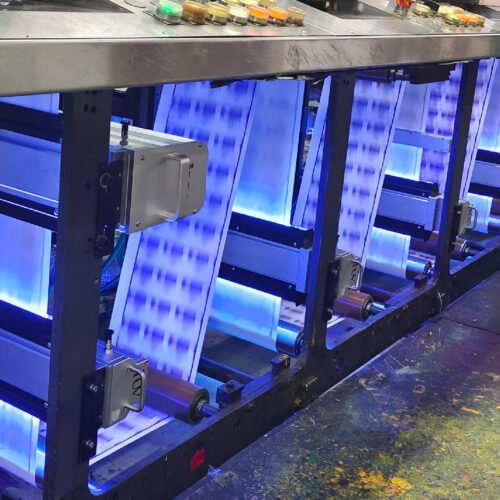
In flexographic and offset printing, where high press speeds are common, this accelerated curing is transformative. Printers can push their machines to their maximum operational speeds without encountering uncured ink or coating issues. This directly translates to reduced printing times per job. For label printers, where complex multi-layer designs or spot color applications are frequent, the ability to cure rapidly between stations or at the end of the press is invaluable for maintaining throughput.
Enhanced Ink and Coating Performance
The specific wavelengths emitted by LEDs are optimized for the photoinitiators in UV-curable inks and coatings. This targeted approach leads to more efficient and complete polymerization. For printers using specialized inks, such as those required for durable labels or high-opacity graphics, the consistent and powerful output of LED systems ensures a superior cure.
This enhanced performance often means better adhesion, improved scratch resistance, and superior chemical resistance. These are all vital attributes for printed products that must withstand rigorous use, such as those found in packaging and industrial labeling. Flexo and offset printers benefit from this improved durability, reducing the likelihood of post-print defects and customer complaints.
Operational Efficiencies and Cost Savings
Beyond speed, high-intensity LED curing systems offer compelling operational advantages. Their lifespan is dramatically longer than mercury lamps, often lasting tens of thousands of hours. This reduces maintenance downtime and the ongoing cost of lamp replacements.
Their energy efficiency is another significant benefit. LEDs consume considerably less power than traditional mercury vapor lamps, leading to substantial savings on electricity bills. This not only improves the bottom line but also aligns with growing industry emphasis on sustainable printing practices.
The instantaneous on/off capability of LEDs also contributes to efficiency. Unlike mercury lamps that require a warm-up period, LEDs provide full curing power the moment they are switched on. This eliminates waiting times and allows for more dynamic control over the curing process, which can be particularly useful in job changeovers.
Applications Across Printing Sectors
The adoption of high-intensity LED curing is widespread, but it finds particular resonance in specific printing niches.
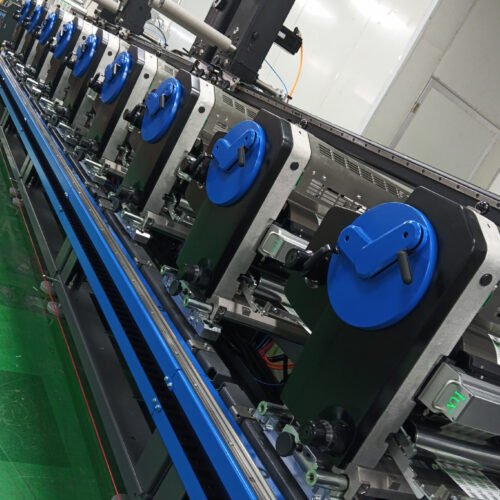
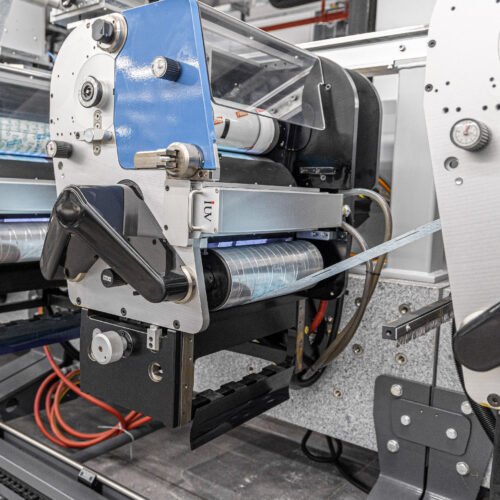
- Narrow-Web and Label Printing: This sector is a prime beneficiary. Label presses often run at very high speeds and handle a wide variety of substrates, including thin films and foils. The low heat, fast cure, and material compatibility of LED systems are perfectly suited for this demanding environment. Printers can achieve vibrant colors, sharp details, and durable finishes on everything from food and beverage labels to industrial product identification.
- Flexographic Printing: Flexo presses are known for their speed and versatility, especially in packaging and label production. The ability of high-intensity LEDs to keep pace with these fast machines, while ensuring excellent ink adhesion and finish quality, is a game-changer. It allows flexo operations to expand their capabilities and take on more complex jobs with confidence.
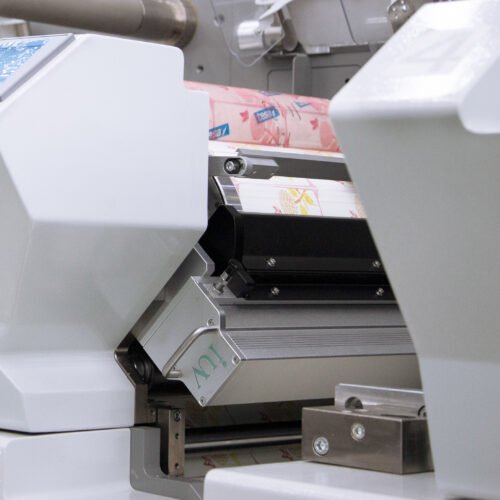
- Offset Printing: While offset printing has traditionally used different drying mechanisms, UV-offset is growing, particularly for short-run and high-quality applications. LED curing in offset presses offers faster throughput, immediate handling of printed sheets, and superior finish quality. This is especially relevant for commercial printers looking to offer premium finishes and quicker turnaround times for marketing collateral and packaging mock-ups.
Integrating LED Curing into Your Workflow
Transitioning to high-intensity LED curing requires careful consideration. It’s not simply a matter of swapping out old lamps. The wavelength of the LEDs needs to be matched with the photoinitiators in your chosen inks and coatings. Fortunately, many ink manufacturers now offer specific formulations optimized for LED curing.
When evaluating LED systems, look at the power density (irradiance) and the spectral output. These specifications will determine the curing speed and effectiveness for your specific applications. Consulting with equipment manufacturers and ink suppliers is crucial to ensure seamless integration and optimal performance. Investing in the right LED curing technology can provide a significant competitive edge.
The Future of Fast Printing
High-intensity LED curing systems are more than just an upgrade; they are a fundamental enabler of faster, more efficient, and higher-quality printing. By minimizing heat, maximizing cure speed, and offering significant operational savings, they empower printers to meet the ever-increasing demands of the market. For narrow-web, flexo, and offset printers, embracing this technology is not just about staying current; it’s about defining the future of rapid product turnaround.