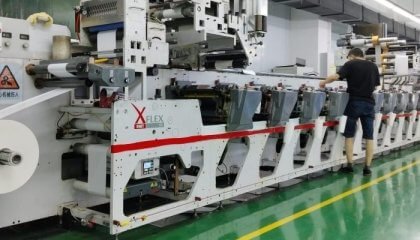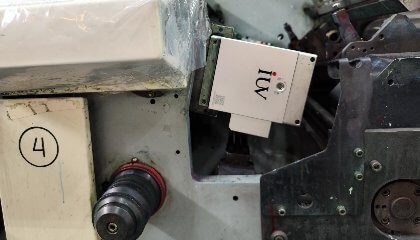
The narrow-web printing industry is a dynamic landscape, constantly seeking ways to enhance efficiency, reduce waste, and, above all, achieve unparalleled print quality. For many labels and flexible packaging applications, consistency isn’t just a desirable trait; it’s a fundamental requirement. This is where the integration of automated UV printing operations truly shines, offering a powerful solution for achieving this critical objective.
The pursuit of perfect registration, uniform ink laydown, and repeatable color matching across an entire print run is a challenge that has long occupied the minds of print professionals. Manual adjustments, while sometimes necessary, introduce variability. Automation, coupled with the inherent advantages of UV curing technology, provides a robust framework for overcoming these inconsistencies.
The Pillars of Narrow-Web Printing: Flexography and Offset
Narrow-web printing encompasses a range of technologies, with flexography and offset (or lithography) being prominent players. Flexography, with its raised image carriers, is incredibly versatile for a wide array of substrates, from self-adhesive labels to flexible packaging. Offset printing, on the other hand, excels in producing fine detail and smooth solids, often favored for high-end label applications.
Both these processes, when applied to narrow webs, face similar challenges regarding consistency. Minor fluctuations in substrate tension, ink viscosity, anilox roll speed, or impression cylinder pressure can lead to noticeable deviations in the final printed product. This is where automated control systems become indispensable.
Understanding UV Curing: The Technology Driving Consistency
At the heart of modern automated narrow-web printing lies UV curing technology. Unlike conventional inks that dry through evaporation, UV-curable inks and coatings undergo a photochemical reaction when exposed to ultraviolet light. This process, driven by photoinitiators within the ink, transforms the liquid ink into a solid, durable film almost instantaneously.
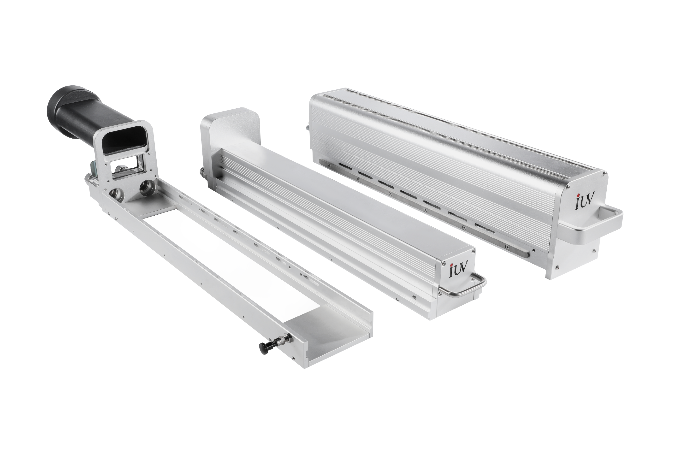
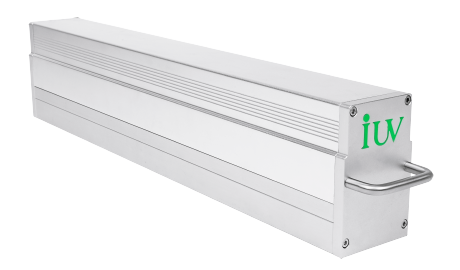
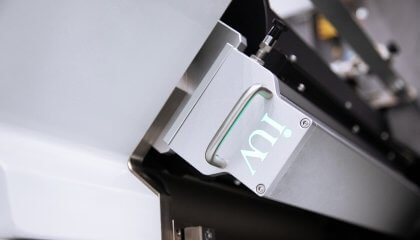
LED UV curing, a more recent advancement, offers distinct advantages over traditional mercury vapor lamps. LEDs provide a more focused and controllable spectrum of UV light, generating less heat and consuming less energy. This targeted curing, combined with precise control over lamp intensity and exposure time, directly contributes to enhanced print consistency.
Automation’s Role in Stabilizing the Printing Process
Automation in UV printing goes far beyond simple motor control. It involves a sophisticated network of sensors, feedback loops, and intelligent control systems that continuously monitor and adjust critical printing parameters.
1. Precise Ink Delivery and Control: Automated ink dispensing systems ensure that the exact amount of ink is supplied to the print stations, maintaining consistent viscosity and color density. Sensors can monitor ink levels in reservoirs and automatically replenish them, preventing running dry or overfilling. This eliminates the human element of manual ink addition, which can be prone to error.
2. Substrate Handling and Tension Management: Maintaining consistent web tension is paramount for accurate registration and preventing print defects like misregistration or stretching. Automated tension control systems use sophisticated feedback mechanisms to constantly adjust winding and unwinding units, ensuring the substrate remains taut and stable throughout the printing process. This is crucial for both flexo and offset printing.
3. Registration Control Systems: Modern narrow-web presses are equipped with advanced automated registration systems. These systems use high-speed cameras to monitor the print image in real-time. If any deviation in registration occurs – for example, if a color is slightly out of place – the system automatically adjusts the position of the printing cylinder or the web path to correct it instantly. This is a game-changer for achieving perfect print alignment, especially across multiple colors.
4. Anilox Roll and Impression Control (Flexography): In flexographic printing, the anilox roll is responsible for transferring a precise volume of ink to the printing plate. Automated systems can control anilox roll speed relative to the impression cylinder, ensuring consistent ink transfer. Furthermore, automated impression setting can precisely control the pressure between the plate, anilox, and substrate, minimizing variations that could affect ink density and detail.
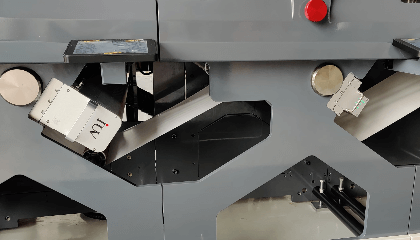
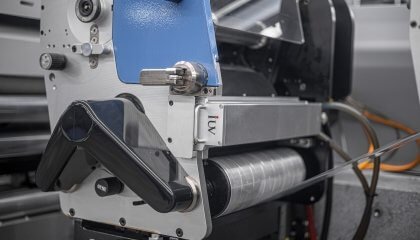
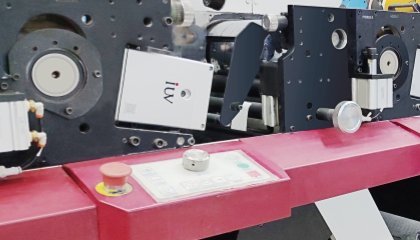
5. UV Curing Process Optimization: The consistency of UV curing is directly influenced by the intensity and uniformity of the UV light. Automated UV curing systems allow for precise control over lamp power, exposure duration, and the positioning of the lamps relative to the substrate. This ensures that each layer of ink is cured uniformly and completely, leading to consistent gloss, adhesion, and chemical resistance across the entire print run. LED UV systems, with their predictable output, further enhance this control.
The Tangible Benefits of Enhanced Consistency
The impact of improved consistency in narrow-web UV printing is far-reaching, directly influencing a printer’s bottom line and their reputation.
- Reduced Waste and Rework: Inconsistent printing leads to a higher rate of rejected products. Automated processes minimize these variations, drastically reducing material waste and the costly rework required to fix errors. This translates to significant cost savings.
- Improved Throughput and Efficiency: When print runs are consistent from start to finish, there are fewer stops and adjustments needed. This allows for higher press speeds and overall improved productivity. Operators can focus on monitoring and managing the overall process rather than making constant micro-adjustments.
- Predictable Color Matching: Achieving consistent color across different batches and even across different print runs is a major concern for brand owners. Automated color management systems, integrated with precise ink delivery and UV curing, ensure that colors remain stable, leading to greater brand loyalty and fewer customer complaints.
- Enhanced Product Quality and Brand Reputation: Consistent print quality is directly linked to the perceived value of the product. Uniform ink laydown, sharp details, and vibrant colors contribute to a premium look and feel, bolstering the brand’s image and customer satisfaction.
- Greater Substrate Versatility: Automated systems, particularly those utilizing LED UV curing, can handle a wider range of substrates with greater reliability. The controlled energy output of LEDs is less likely to damage heat-sensitive materials, opening up new application possibilities.
The Future is Automated and UV-Cured
The trend towards automation in narrow-web printing, powered by the reliable and efficient technology of UV curing, is undeniable. As print operations become more sophisticated and the demand for high-quality, consistent labeling and packaging grows, embracing these advanced solutions is no longer an option but a necessity for success.
By investing in automated UV printing operations, businesses in the narrow-web sector are not just upgrading their equipment; they are investing in a future where precision, efficiency, and unwavering quality are the norm, not the exception. This commitment to consistency is what sets leading print providers apart in today’s competitive market.