In the competitive landscape of label printing, achieving a crisp, vibrant white is often paramount. For narrow-web digital label applications, this challenge is compounded by the need for speed, efficiency, and precise color reproduction. High-opacity white inks are the key to unlocking standout designs, especially when printing on colored or clear substrates. This article delves into the strategies and technologies that enable printers to achieve superior white opacity in narrow-web digital printing.
The Importance of Opacity in Label Design
Opacity refers to an ink’s ability to cover the substrate beneath it. In label printing, high opacity white ink serves several critical functions. It acts as a base layer, ensuring that subsequent colors, particularly vibrant reds, blues, or yellows, appear true to their intended shade without being dulled by the substrate. This is especially important when printing on transparent films or dark-colored papers, where a weak white underprint would lead to muddy and inaccurate color representation.
Furthermore, high-opacity white ink is essential for creating impactful special effects. It can be used to block out areas, create layered designs, or achieve a “knock-out” effect where elements appear to float on the surface. For metallic or fluorescent inks to truly shine, a solid white foundation is often required. In digital printing, where the flexibility to print short runs and variable data is a major advantage, achieving consistent high opacity white is crucial for maintaining brand integrity across diverse applications.
Understanding the Technology: Digital Narrow-Web Printing and UV Curing
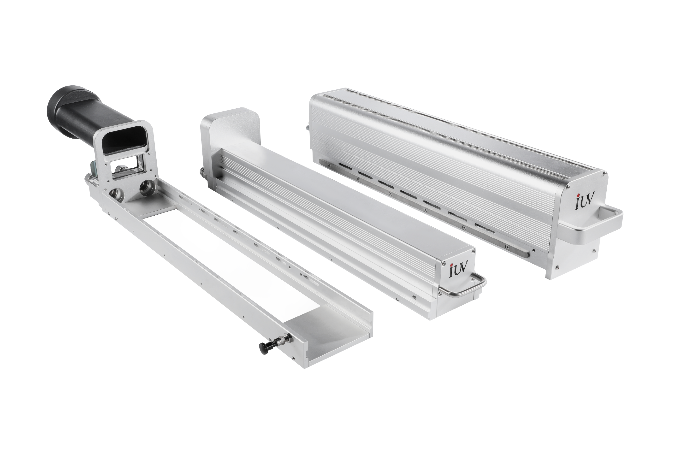
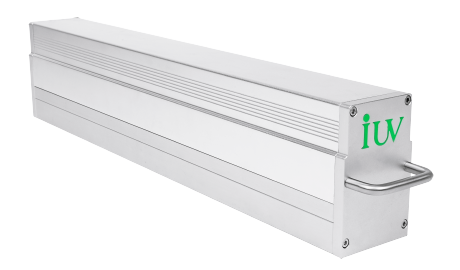
Narrow-web digital label printing typically involves web widths of 300mm or less, often utilizing inkjet or toner-based technologies. These presses are designed for high-volume, short-run production, demanding inks that cure rapidly and reliably. Light Emitting Diode (LED) UV curing technology has become a dominant force in this sector. Unlike traditional mercury vapor lamps, LED UV systems offer a more energy-efficient, ozone-free, and longer-lasting curing solution.
LED UV curing works by emitting specific wavelengths of ultraviolet light that initiate a photochemical reaction within the ink. This reaction causes the ink to polymerize almost instantaneously, transforming it from a liquid to a solid, cured film. This rapid curing is essential for high-speed printing, preventing ink from smudging or offsetting onto subsequent processes or the rewind unit.
High-Opacity White Ink Formulations for Digital Applications
The formulation of high-opacity white inks for digital printing is a complex interplay of pigments, binders, and photoinitiators. The primary pigment responsible for opacity is titanium dioxide (TiO2). However, simply increasing the amount of TiO2 can lead to printing challenges.
- Pigment Loading and Particle Size: Digital inkjet inks, in particular, require finely milled pigments to pass through the narrow orifices of printheads without clogging. Achieving high opacity with such fine particles necessitates advanced milling techniques and careful dispersion. The distribution and size of TiO2 particles significantly influence light scattering and, therefore, opacity. Optimal particle size ensures maximum light reflection, creating a brighter and more opaque white.
- Binder Systems: The binder, or resin, in the ink plays a crucial role in ink flow, adhesion, and, importantly, in how well it suspends and disperses the pigment particles. For UV-curable inks, the binder consists of monomers and oligomers that cross-link during the curing process. The binder must be formulated to allow for efficient pigment loading while maintaining low viscosity for jetting. It also needs to form a strong, coherent film that encapsulates the TiO2 particles effectively.
- Additives and Dispersants: Specialized dispersants are vital for keeping the fine TiO2 particles evenly distributed within the ink vehicle. Without proper dispersion, pigment particles can agglomerate, leading to reduced opacity, inconsistent color, and potential printhead issues. Other additives might be included to enhance gloss, adhesion, or resistance properties, but their impact on opacity must be carefully managed.
Strategies for Maximizing White Opacity in Narrow-Web Digital Printing
Achieving the highest possible opacity in white ink requires a multi-faceted approach, combining ink selection, press setup, and process optimization.
1. Selecting the Right White Ink
Not all white inks are created equal. When sourcing high-opacity white ink for narrow-web digital applications, consider the following:
- Ink Chemistry: Look for inks specifically designed for your digital print technology (e.g., inkjet, toner). For inkjet, pigment-based UV-curable inks are standard. Ensure the ink manufacturer explicitly states “high opacity” or “excellent coverage” for the intended substrate type.
- Substrate Compatibility: The white ink must be formulated to adhere effectively to your chosen substrate. Different films (PET, PVC, PE) and papers will require different ink chemistries for optimal bonding and opacity.
- Curing Requirements: Confirm that the white ink is compatible with your press’s LED UV curing system, particularly the wavelength output and intensity. Mismatched curing parameters can lead to under-cured ink, which will compromise opacity and durability.
2. Optimizing White Underprint Strategies
For full-color process printing (CMYK) or when printing vibrant spot colors on dark or clear materials, a white underprint is essential. The key is to apply this underprint strategically and effectively.
- Single White Pass vs. Multiple Passes: For many applications, a single, well-calibrated pass of high-opacity white ink is sufficient. However, for extremely demanding applications on challenging substrates, or when maximum vibrancy is needed, a second white pass may be considered. This adds to production time and cost, so it should be evaluated carefully.
- White as a Spot Color: In some workflows, white ink is treated as a spot color. This allows for precise control over its placement and coverage, ensuring it only appears where needed for opacity or design effect, rather than a full blanket underprint. Digital printing’s ability to handle variable spot colors is a significant advantage here.
- Layering Techniques: Advanced digital workflows can allow for the printing of white ink in layers. For example, a base layer of white might be applied, followed by another layer of white in specific areas for enhanced brightness or to create textured effects. This requires precise registration capabilities from the digital press.
3. Press Configuration and Curing Optimization
The physical setup of the digital press and its curing system plays a pivotal role in ink performance.
- Printhead Health and Calibration: Clogged or misfiring printheads will inevitably lead to uneven ink laydown, reducing opacity and creating banding. Regular printhead maintenance, cleaning, and calibration are non-negotiable.
- Inkjet Drop Volume and Frequency: For inkjet, adjusting drop volume and firing frequency can influence how much ink is deposited. While higher drop volumes can increase opacity, they also increase ink consumption and can affect drying/curing times. It’s a balance that requires careful testing.
- LED UV Curing Settings: This is perhaps the most critical factor for UV-curable inks.
- Irradiance (Power): The intensity of the UV light directly affects the speed and completeness of the curing reaction. Insufficient irradiance will result in under-cured ink, poor opacity, and potential adhesion issues.
- Wavelength: Ensure the LED UV emitters match the photoinitiators in the ink formulation for maximum curing efficiency. Most narrow-web digital presses use 365nm or 395nm LEDs.
- Dwell Time: This is the amount of time the substrate is exposed to the UV light. It’s a function of web speed and the number/position of LED lamps. For high-opacity white inks, a sufficient dwell time is crucial to ensure thorough polymerization of the thick ink film.
- Web Speed: As web speed increases, the time available for curing decreases. This often necessitates higher irradiance from the UV lamps or more lamp units to compensate. When optimizing for white opacity, you may find that you cannot run at the absolute maximum speed of the press if consistent, high opacity is the priority.
4. Substrate Considerations
The nature of the substrate itself impacts how white ink performs.
- Surface Energy: Substrates with low surface energy (like some polyolefins) can be challenging for ink adhesion and ink wetting. Pre-treatment methods such as corona or plasma treatment can increase surface energy, allowing the ink to spread more evenly and achieve better opacity and adhesion.
- Color and Texture: While high-opacity white is designed to overcome substrate color, a highly textured substrate can create microscopic shadows and valleys that can slightly reduce perceived opacity compared to a smooth surface.
- Film vs. Paper: Different materials absorb and reflect light differently. Clear films present a unique challenge where the ink must provide a solid barrier. Paper substrates may absorb some ink into their fibers, which can impact opacity compared to non-absorbent films.
Challenges and Troubleshooting
Even with the best strategies, challenges can arise.
- Ink Haze or Misting: Inadequate curing can lead to a “hazy” appearance or even ink misting, which is the opposite of opacity. This is a clear indicator of insufficient UV energy.
- Poor Adhesion: If the white ink peels or scratches off, it points to a failure in the curing process or poor substrate compatibility/pretreatment.
- Ink Dot Gain: Excessive dot gain in the white underprint can cause it to spread, potentially obscuring fine details or leading to unintended opacity in areas where it’s not desired. This is often related to ink viscosity, substrate absorption, or press settings.
- Yellowing: Some white inks, especially those with high TiO2 loadings, can be prone to yellowing if over-cured or exposed to excessive heat during the curing process. This is a delicate balance to achieve opacity without degradation.
The Future of High-Opacity White in Digital Narrow-Web
The trend towards more sustainable and efficient printing processes continues to drive innovation in ink and curing technology. We can expect to see further advancements in:
- Nano-particle TiO2: Development of even finer, more efficiently dispersed TiO2 particles for enhanced opacity at lower ink film thicknesses.
- New Binder Technologies: Resins that offer better pigment suspension, faster cure speeds, and improved adhesion to a wider range of substrates.
- Advanced LED UV Systems: Higher irradiance, broader wavelength options, and more sophisticated control systems to optimize curing for challenging inks like high-opacity whites.
- Digital White Ink Handling: Smarter ink delivery systems and printhead technologies that can handle higher viscosity or more challenging pigment loads with greater reliability.
Conclusion
Mastering high-opacity white ink strategies in narrow-web digital label applications is crucial for printers aiming to produce premium labels. By understanding the intricate relationship between ink formulation, UV curing technology, press parameters, and substrate characteristics, businesses can consistently achieve the bright, opaque whites necessary to make their labels stand out. Careful selection of materials, meticulous press setup, and a commitment to ongoing optimization will ensure that the brilliance of your designs is never compromised by a lack of opacity.