<!-- Meta Pixel Code --> <!-- 结束元像素代码 -->

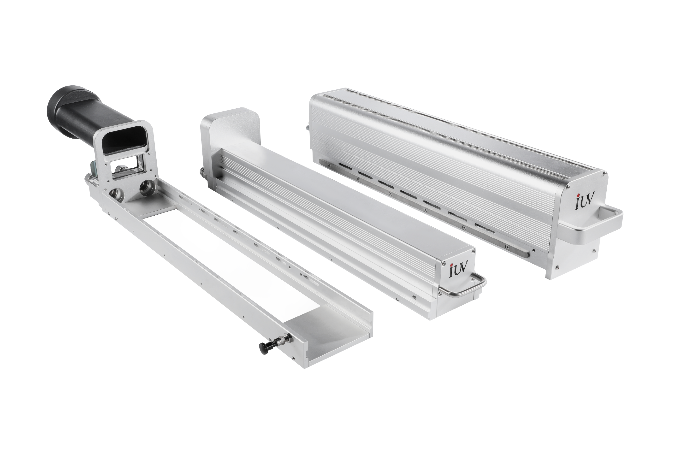
High-Intensity LED Curing Systems for Ultra-Fast Narrow-Web Printing

High-Intensity LED Curing Systems for Ultra-Fast Narrow-Web Printing

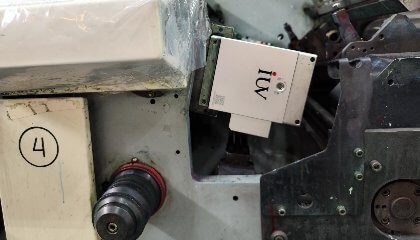
The demand for speed and efficiency in narrow-web printing is constantly escalating. Label and packaging converters are under immense pressure to deliver higher volumes, faster turnaround times, and consistently superior print quality. This drive for productivity has led to significant advancements in printing press technology, but equally critical is the evolution of the curing systems that enable these high-speed operations. For years, mercury vapor lamps were the standard for UV curing, but the landscape is rapidly changing. High-intensity LED curing systems are emerging as the transformative technology for ultra-fast narrow-web printing, offering a compelling array of benefits that directly address the challenges of modern converters.

The Evolution Beyond Mercury Vapor Lamps

Traditional mercury vapor lamps have served the industry well, providing a reliable method for curing UV-sensitive inks, coatings, and adhesives. However, they come with inherent drawbacks that become more pronounced at higher press speeds. These lamps generate substantial heat, requiring extensive ventilation and cooling systems, which adds to energy consumption and operational costs. Their lifespan is limited, necessitating frequent and costly replacements. Furthermore, mercury vapor lamps emit a broad spectrum of UV light, including unwanted wavelengths that can generate excessive heat on the substrate, potentially affecting sensitive materials and compromising print quality. They also pose environmental concerns due to mercury content.

The Unfolding Advantages of High-Intensity LED Curing

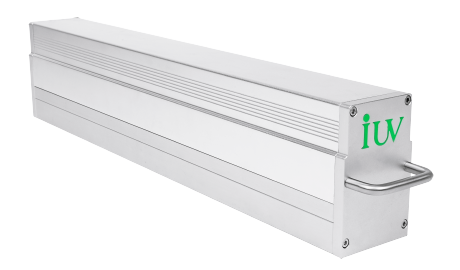
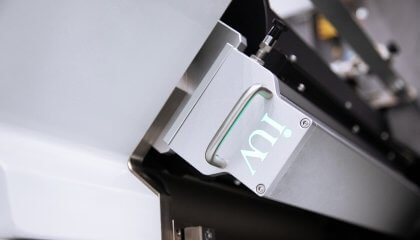
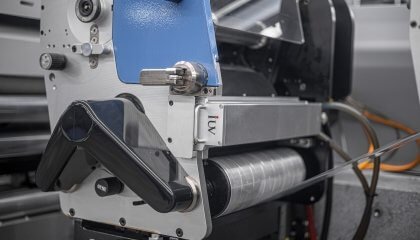
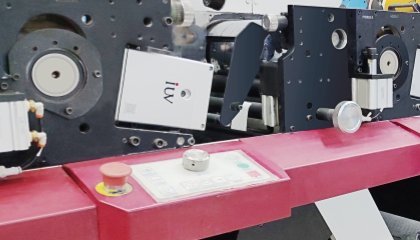
High-intensity LED curing systems represent a paradigm shift. Unlike mercury lamps, LEDs emit a highly specific and narrow spectrum of UV light, typically in the UVA range (e.g., 365 nm, 385 nm, 395 nm, or 405 nm). This spectral purity means less wasted energy and heat generation on the substrate. The intense, focused output allows for significantly faster curing speeds, enabling presses to run at their maximum mechanical capabilities without compromising ink or coating performance.

One of the most immediate advantages is the dramatic reduction in heat transfer to the substrate. This is particularly crucial for narrow-web applications involving heat-sensitive materials like certain films, foils, and thin papers. Less heat means fewer substrate deformations, reduced risk of delamination, and the ability to handle a wider range of materials, expanding application possibilities for converters.

Energy Efficiency and Environmental Impact

The energy efficiency of LED curing systems is another major selling point. LEDs consume significantly less power compared to mercury vapor lamps for equivalent curing performance. This translates directly into lower electricity bills, a substantial operational saving over time. Moreover, the absence of mercury makes LED systems a far more environmentally friendly choice, aligning with growing sustainability initiatives within the printing industry and among brand owners.

Extended Lifespan and Reduced Maintenance

The lifespan of LED curing systems far surpasses that of mercury vapor lamps. While mercury lamps typically last between 1,000 to 3,000 hours, high-quality LED arrays can operate for 20,000 hours or more. This drastically reduces downtime associated with lamp changes and lowers recurring replacement costs. The consistent output of LEDs also means less variability in cure performance over the lamp’s life, contributing to more stable print quality.

Tailored Spectrum for Optimized Performance

The ability to select specific LED wavelengths is a powerful advantage. Different UV inks and coatings are formulated to cure most efficiently at particular UV spectrums. By choosing LED systems that match the spectral requirements of the chosen consumables, converters can achieve optimal cure levels, faster cure times, and superior adhesion and resistance properties. This specificity also helps minimize potential yellowing or degradation of the substrate that can occur with broader spectrum sources.

Integration with Narrow-Web Printing Technologies

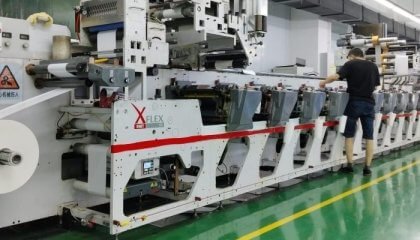
The benefits of high-intensity LED curing are particularly pronounced in narrow-web printing applications, including flexography, offset (lithography), and gravure.

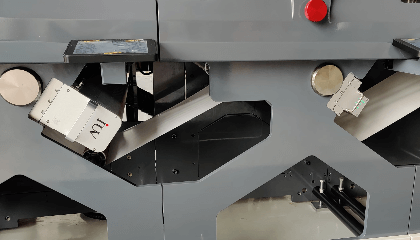
Flexographic Printing: In flexo, especially for labels and flexible packaging, speed is paramount. LED curing systems allow flexo presses to achieve higher printing speeds, enabling converters to keep pace with demanding production schedules. The reduced heat transfer is beneficial for sensitive film substrates often used in packaging. Moreover, the consistent output ensures uniform curing across the web, critical for achieving high-quality graphics and product protection.

Offset (Lithographic) Printing: Narrow-web offset presses are increasingly used for labels and specialty printing. Integrating high-intensity LED curing allows these presses to leverage their inherent precision and speed while ensuring immediate and thorough curing of inks and coatings. This eliminates the need for lengthy drying tunnels and enables immediate post-print processing, such as die-cutting and finishing, leading to significant workflow efficiencies.

Gravure Printing: While perhaps less common in narrow-web than flexo or offset, gravure also benefits from rapid curing. For specific applications where gravure is employed on narrow webs, LED systems can provide the instantaneous cure required to handle delicate substrates or achieve specific finishes without prolonged ink tack.

Challenges and Considerations for Adoption

While the advantages are clear, adopting high-intensity LED curing systems does involve considerations.

Ink and Coating Compatibility: Not all existing UV-curable inks and coatings are formulated for LED curing. Converters may need to transition to LED-specific formulations. Fortunately, the market for LED-curable inks and coatings has matured significantly, offering a wide range of options for various applications.

Initial Investment: The upfront cost of high-intensity LED curing systems can be higher than traditional mercury lamp systems. However, this investment is typically recouped relatively quickly through energy savings, reduced consumables, and increased productivity. A thorough total cost of ownership analysis is recommended.

Technical Expertise: Understanding the nuances of LED curing, including spectral output, power density, and integration with specific press technologies, requires a certain level of technical knowledge. However, reputable LED curing system manufacturers provide extensive support and training to help converters maximize their investment.

The Future is Bright: Embracing High-Intensity LED Curing

The trend towards ultra-fast narrow-web printing is undeniable. As presses continue to push the boundaries of speed and efficiency, the curing technology must evolve in parallel. High-intensity LED curing systems offer a powerful, efficient, and sustainable solution that directly supports these demands. By providing faster cure speeds, reduced heat transfer, significant energy savings, and extended lifespan, LEDs are not just an alternative to older technologies—they are the enabling technology for the next generation of narrow-web printing. Converters looking to enhance productivity, expand their substrate capabilities, reduce operational costs, and improve their environmental footprint will find high-intensity LED curing systems to be a critical investment in their future success. The future of narrow-web printing is undoubtedly illuminated by the power of high-intensity LEDs.

Contact IUV Curing Experts

滚动至顶部