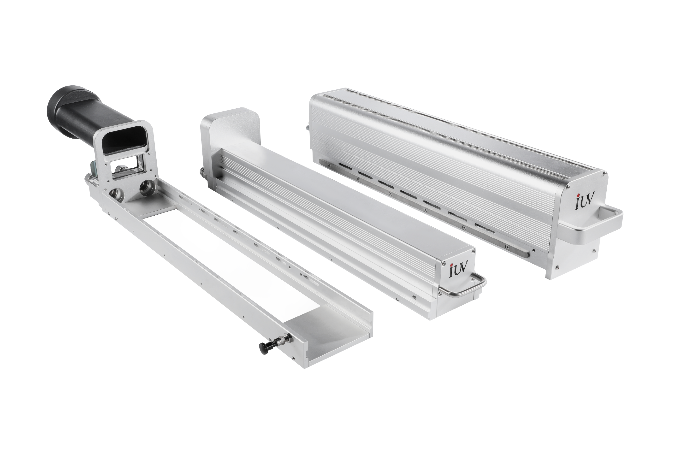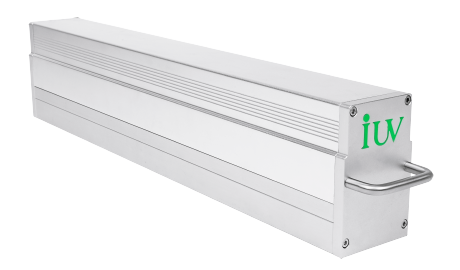
In the dynamic world of label and flexible packaging printing, the substrate often dictates the technology. For heat-sensitive film substrates, traditional curing methods can present significant challenges. High temperatures can warp, degrade, or even melt these delicate materials, leading to production bottlenecks and compromised print quality. This is precisely where high-intensity LED UV curing systems are revolutionizing the industry. They offer a powerful, precise, and energy-efficient solution, enabling printers to achieve superior results on films that were once considered too delicate for robust curing processes.
Understanding the Heat Sensitivity Challenge
Many modern printing applications utilize a variety of film substrates, including PET, BOPP, PVC, and specialized polyolefins. These materials are chosen for their excellent barrier properties, flexibility, and printability. However, their low melting points and susceptibility to thermal degradation make them incompatible with conventional thermal or mercury-vapor UV curing methods. These older technologies generate substantial heat as a byproduct of their operation. This excess heat can cause:
- Dimensional Instability: Films can shrink or stretch unevenly, leading to misregistration and inaccurate color reproduction.
- Material Degradation: The chemical structure of the film can be altered, affecting its strength, clarity, and adhesion properties.
- Surface Defects: Warping, bubbling, or a milky appearance can occur, rendering the printed product unusable.
- Ink/Coating Adhesion Issues: Heat can interfere with the proper bonding of inks and coatings to the film surface.
The LED UV Curing Advantage: A Cooler Approach
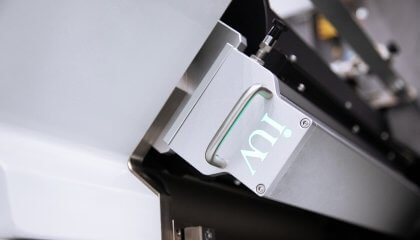
High-intensity LED UV curing systems operate on a fundamentally different principle than their mercury-vapor predecessors. Instead of emitting a broad spectrum of light and a significant amount of heat, LEDs produce light within very narrow, specific wavelength bands. Crucially, this light emission is highly focused, and the systems generate remarkably little infrared radiation, which is the primary source of heat in conventional curing.
This reduction in heat output is a game-changer for heat-sensitive film substrates. Printers can now achieve full, rapid curing of UV-curable inks, coatings, and adhesives without subjecting the delicate film to damaging temperatures. The benefits are manifold:
- Preservation of Substrate Integrity: Films remain dimensionally stable, maintaining their original form and integrity throughout the curing process.
- Enhanced Print Quality: Superior registration, sharper dot definition, and consistent color reproduction are achievable.
- Improved Adhesion: Optimal curing conditions promote the strong bonding of inks and coatings.
- Wider Material Compatibility: Previously challenging film substrates become viable options for high-quality UV printing.
High-Intensity LEDs: More Than Just Cooler
Beyond their thermal advantage, high-intensity LED UV curing systems offer significant performance enhancements that directly benefit narrow web, flexographic, and offset printing applications.
1. Energy Efficiency: LEDs are incredibly energy-efficient. They convert a much higher percentage of electrical energy into light compared to mercury lamps, which lose a substantial amount of energy as heat. This translates directly into lower operating costs and a reduced carbon footprint.
2. Longer Lifespan and Consistency: LED arrays have a considerably longer operational lifespan than mercury lamps, often lasting tens of thousands of hours. This reduces downtime associated with lamp replacement and ensures consistent UV output over extended periods. Unlike mercury lamps, which degrade over time, LEDs maintain their spectral output more reliably.
3. Instant On/Off Capability: LEDs can be switched on and off instantaneously. This eliminates warm-up and cool-down times, improving press productivity, especially in job changeovers or when printing short runs. It also means UV energy is only applied when needed, further contributing to energy savings and reduced heat exposure.
4. Targeted Wavelengths: High-intensity LED systems can be configured to emit specific UV wavelengths (e.g., 365 nm, 385 nm, 395 nm, 405 nm). This allows for precise matching with the photoinitiators in UV inks and coatings, leading to more efficient and complete curing. This specificity can be particularly advantageous when working with unique ink formulations designed for specific film substrates.
5. Uniformity and Intensity Control: Modern LED systems offer excellent uniformity of UV output across the web width. Furthermore, the intensity can be precisely controlled, allowing printers to fine-tune the curing process for different inks, speeds, and substrate types. This level of control is critical for achieving optimal results on heat-sensitive films.
Applications in Label and Narrow Web Printing
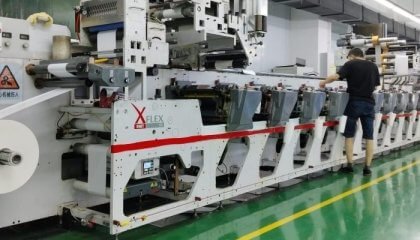
The narrow web printing sector, heavily reliant on flexographic and some offset processes, is a prime beneficiary of high-intensity LED UV curing. Many labels are printed on filmic materials for durability, aesthetic appeal, and specific functional requirements (e.g., shrink sleeves, tamper-evident labels).
- Shrink Sleeve Labels: These labels are often printed on PETG or PVC films. The post-printing shrinking process requires the printed graphics to withstand significant heat. LED curing ensures the ink and coatings are fully cured beforehand, preventing any lifting or smudging during the shrink tunnel phase.
- In-Mold Labels (IML): IMLs are printed on thin films that are then molded into plastic containers. Heat resistance and precise graphics are paramount. LED UV curing ensures the printed films are robust enough for the subsequent molding process.
- High-Durability Labels: Labels used in harsh environments (e.g., automotive, industrial, outdoor applications) often require robust film substrates and durable UV inks and coatings. LED curing enables the use of these demanding materials without compromising the film.
Flexographic and Offset Considerations
Flexographic Printing: In flexo, especially on narrow web presses, high-speed printing is common. High-intensity LED UV systems can keep pace with these speeds while maintaining low temperatures. This is crucial for maintaining the ink transfer characteristics and avoiding issues like “ink squish” or plate distortion that can occur with excessive heat buildup on the substrate. The ability to precisely control UV intensity also helps manage the ink’s viscosity and flow on the anilox rolls and plates.
Offset Printing: While less common for very thin films in narrow web, offset printing on wider formats or thicker films also benefits. For heat-sensitive substrates, LED UV offset printing offers a way to achieve high-quality graphics with excellent rub and chemical resistance without the heat penalty of traditional UV lamps. The precise wavelength targeting can also improve curing efficiency with specific offset ink formulations designed for films.
Ink and Coating Formulations
The advent of high-intensity LED UV curing has also driven innovation in ink and coating formulations. Manufacturers are developing products specifically designed to cure optimally under LED wavelengths. These formulations often offer:
- Lower Photoinitiator Content: Some LED-specific formulations require less photoinitiator, potentially reducing migration concerns and improving cost-effectiveness.
- Enhanced Reactivity: Formulations are optimized for rapid polymerization under LED light, ensuring fast and complete cure even at high press speeds.
- Improved Adhesion Profiles: Specific chemistries are tailored for excellent adhesion to challenging filmic substrates like polyolefins and engineered films.
Printers must work closely with their ink and coating suppliers to select products that are compatible with their chosen LED system and substrate. Understanding the spectral output of the LED system (the specific wavelengths emitted) is key to selecting the right inks and coatings.
Integrating High-Intensity LED Curing Systems
When considering the integration of high-intensity LED UV curing into a printing operation, several factors come into play:
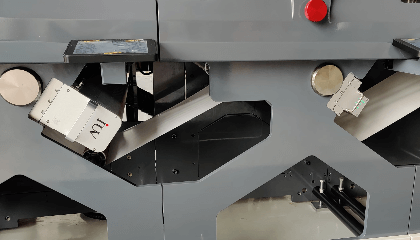
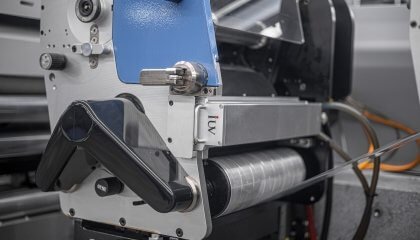
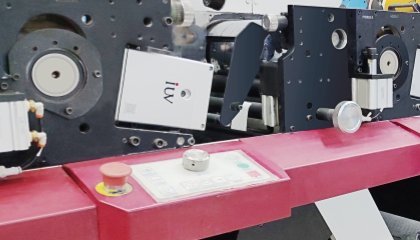
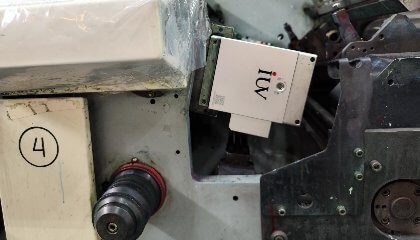
- Press Integration: LED systems can be retrofitted onto existing presses or specified for new equipment. The physical footprint, power requirements, and ventilation needs are important considerations.
- Wavelength Selection: The choice of LED wavelength will depend on the inks, coatings, and substrates being used. Common wavelengths for UV curing are in the UVA range (315-400 nm), with systems often operating at 365 nm, 385 nm, 395 nm, or 405 nm.
- Dose and Intensity: The required UV dose (energy per unit area) and intensity (power per unit area) will vary based on the application, press speed, and ink formulation. Modern LED controllers allow for precise adjustment of these parameters.
- Cooling and Airflow: While LEDs generate less heat, proper airflow and cooling are still necessary to maintain optimal performance and longevity of the LED modules, especially in high-intensity systems.
The Future is Cool and Cured
High-intensity LED UV curing systems represent a significant technological leap for printers working with heat-sensitive film substrates. Their ability to deliver powerful, precise curing with minimal heat generation opens up new possibilities for substrate selection, print quality, and operational efficiency. As the demand for sophisticated labels and flexible packaging continues to grow, and as the capabilities of LED technology advance, these systems are set to become an indispensable tool for printers aiming for competitive advantage and superior product output. The move towards cooler, more efficient, and more controlled curing is not just a trend; it’s a fundamental shift in how high-quality printed films are produced.