<!-- Meta Pixel Code --> <!-- 结束元像素代码 -->

Extending Press Life Using High-Intensity LED Curing Systems

Extending Press Life Using High-Intensity LED Curing Systems

The print industry is in constant pursuit of efficiency and longevity. For label and narrow web printers, press uptime and operational lifespan are critical factors. Traditional UV curing methods have served well, but advancements in technology are offering compelling alternatives. High-intensity LED curing systems represent a significant leap forward, promising not only superior print quality but also a tangible impact on the overall life of printing machinery. Understanding how these systems work and their benefits is key for any forward-thinking print shop.

The Evolution of UV Curing: From Mercury Vapor to LED

For decades, mercury vapor lamps were the standard for UV curing in printing. These lamps emit a broad spectrum of UV light, effective for initiating polymerization in inks and coatings. However, they come with inherent drawbacks. Mercury lamps generate substantial heat, which can stress printing substrates and, more importantly, contribute to thermal wear on sensitive press components like rollers, bearings, and anilox rolls. Their lifespan is also limited, requiring frequent replacement and associated downtime. Furthermore, mercury vapor lamps consume considerable energy and often require specialized disposal due to their hazardous components.

The introduction of UV LED curing marked a paradigm shift. Unlike mercury lamps, LEDs emit UV light within very narrow, specific wavelengths. This targeted emission is highly efficient at curing specific ink formulations designed for LED technology. Crucially, LEDs produce significantly less heat, a benefit that directly translates to reduced thermal load on the printing press. This lower operating temperature is a game-changer for preserving the integrity and extending the operational life of delicate press parts.

How High-Intensity LED Curing Enhances Press Life

The primary mechanism by which high-intensity LED curing systems extend press life is through reduced thermal stress. Traditional UV lamps radiate heat not just as UV light but also as infrared radiation. This heat can permeate the press structure, affecting everything from the ink train to the drive system. Over time, this constant exposure to elevated temperatures can lead to:

  • Component Degradation: Rubber rollers can harden and crack prematurely. Bearings can experience accelerated wear due to lubricant breakdown. Plastic or composite parts can deform or weaken.
  • Ink and Coating Stability: Excessive heat can affect the viscosity and curing characteristics of inks and coatings, leading to inconsistencies and potential issues that require press adjustments or slower speeds.
  • Substrate Warping: Particularly with heat-sensitive materials like thin films or certain papers, excessive heat from curing lamps can cause warping or dimensional instability, leading to registration problems.

High-intensity LED systems, by contrast, generate heat primarily within the LED array itself, and this heat is efficiently managed and dissipated through integrated cooling systems. The UV energy delivered to the ink is much more concentrated and directed, with minimal infrared radiation reaching the substrate or the press. This means:

  • Gentler Operation: The printing press operates at a more stable, lower overall temperature. This reduces the rate of wear on mechanical components.
  • Extended Component Lifespan: Rollers, bearings, and other sensitive parts are subjected to less thermal degradation, leading to longer service intervals and reduced replacement costs.
  • Improved Registration: Stable substrate dimensions due to lower heat exposure contribute to more consistent registration, minimizing waste and rework, which indirectly saves press wear by avoiding constant adjustments.

Specific Benefits for Different Print Sectors

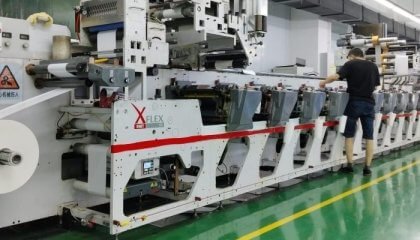
Narrow Web and Label Printing: In the fast-paced world of narrow web printing, every minute of downtime is costly. High-intensity LED curing offers rapid, on-demand curing, allowing for faster press speeds without compromising quality. This speed, combined with reduced heat, directly benefits the longevity of the precision components common in narrow web presses, such as servo motors, encoders, and anilox rollers. The ability to run cooler also opens doors for printing on a wider range of heat-sensitive films and foils, expanding application possibilities without risking damage to the press or substrate.

Flexographic Printing: Flexography relies on precise ink transfer from anilox rolls to printing plates. Anilox rolls, often made of ceramic or specialized coatings, are sensitive to heat and can be damaged by excessive temperatures, leading to loss of cell volume and inaccurate ink laydown. High-intensity LED curing minimizes this thermal impact, preserving the integrity of anilox rolls. Furthermore, consistent, fast curing enables sharper dot reproduction and better ink adhesion, reducing the need for wash-ups or adjustments that can cause wear on plates and sleeves.

Offset (Sheetfed and Web) Printing: While mercury lamps have been dominant in offset, the adoption of LED UV is growing, especially in niche applications and for specific print enhancements. For printers using UV inks and coatings in offset, the reduced heat load from LED systems can alleviate stress on blanket cylinders and rubber rollers. This is particularly relevant in sheetfed operations where the paper stack can retain heat. Web offset printers also benefit from the reduced thermal stress on the printing units and drying sections, contributing to smoother, more reliable operation over the long term.

The “High-Intensity” Advantage

The term “high-intensity” in LED curing is crucial. It refers to the power density of the UV output – how much UV energy is delivered to a specific area per unit of time. Higher intensity means:

  • Faster Curing: The UV polymerization process initiates and completes more rapidly. This allows presses to run at maximum mechanical speeds without curing bottlenecks.
  • Deeper Cure: High-intensity systems can often achieve a more thorough cure, even in thicker ink films or opaque inks, ensuring optimal adhesion and scratch resistance.
  • Efficiency: While the initial investment might be higher, the energy efficiency and reduced maintenance of high-intensity LEDs often lead to lower operating costs over the system’s lifespan.

This combination of speed and efficiency means the press is operating at its intended pace more consistently. Instead of operators slowing down to accommodate slower curing, the LED system keeps pace. This consistent operational tempo minimizes the stop-start cycles that can put undue stress on drive systems and other mechanical components.

Beyond Heat: Other Factors

While heat reduction is a primary driver for extending press life, LED curing systems also contribute in other ways:

  • Instant On/Off: LEDs can be switched on and off instantaneously. This means UV energy is only applied when needed, reducing energy consumption and further minimizing thermal buildup during setup or idle periods. This precise control also prevents unnecessary exposure of press parts to UV light, which can degrade certain materials over time.
  • Wavelength Specificity: LED systems are available in specific wavelengths (e.g., 365nm, 395nm, 405nm). This allows for optimized curing of inks and coatings formulated for those precise wavelengths, leading to more efficient polymerization and potentially reducing the amount of UV energy required, which indirectly lowers thermal load.
  • Reduced Maintenance: LED arrays have a significantly longer lifespan than mercury lamps, often lasting tens of thousands of hours. This drastically reduces the frequency of lamp replacements, saving on parts costs and, more importantly, eliminating the associated downtime and potential for accidental damage to the press during maintenance.

Making the Transition: Considerations for Integration

Integrating high-intensity LED curing systems into existing presses, especially for narrow web, flexo, and offset applications, requires careful planning. Key considerations include:

  • Power Requirements: Ensure the press’s electrical infrastructure can support the power demands of the LED system.
  • Cooling Systems: LED arrays require effective cooling. Verify that adequate airflow or water cooling is available and properly integrated.
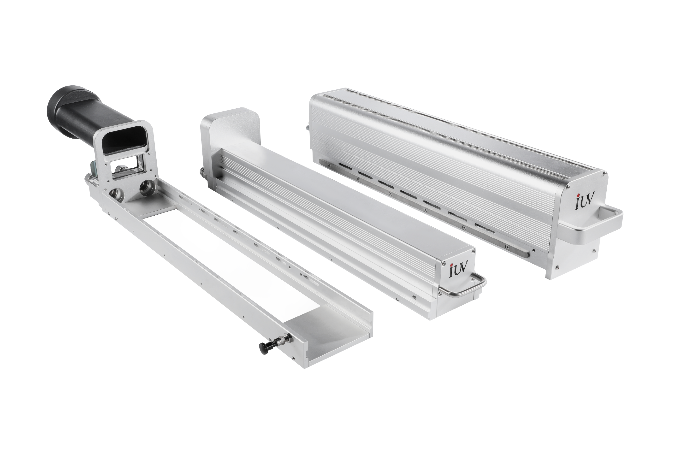
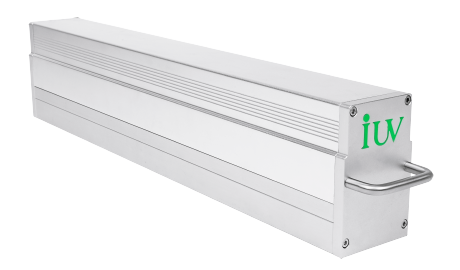
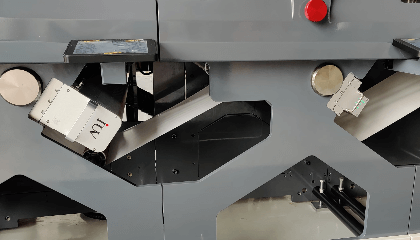
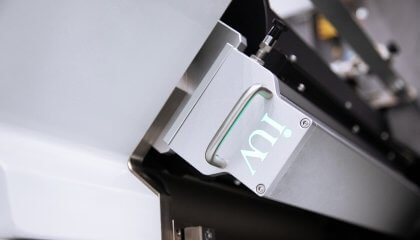
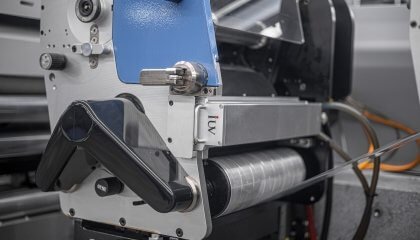
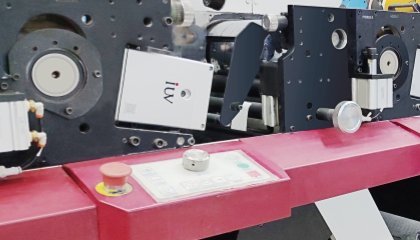
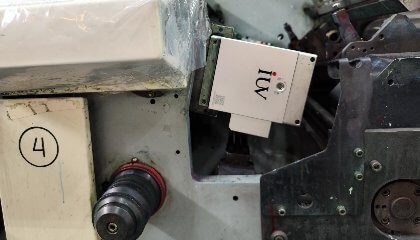
  • Placement and Integration: The LED units must be physically integrated into the press, often replacing existing UV lamp heads. This involves precise alignment and secure mounting.
  • Ink and Coating Compatibility: Transitioning to LED curing typically requires the use of LED-specific inks and coatings. These formulations are designed to cure efficiently under the narrow-band UV spectrum of LEDs.

Conclusion: A Smart Investment in Press Longevity

The advantages of high-intensity LED curing systems extend far beyond faster cure speeds and vibrant print. By significantly reducing the thermal load on printing presses, these advanced systems play a crucial role in preserving the integrity of mechanical components, minimizing wear and tear, and ultimately extending the operational lifespan of valuable printing machinery. For label printers, flexographers, and offset operations looking to maximize uptime, reduce maintenance costs, and invest in the long-term health of their equipment, the adoption of high-intensity LED curing is not just an upgrade; it’s a strategic move towards greater operational resilience and profitability.

Contact IUV Curing Experts

滚动至顶部