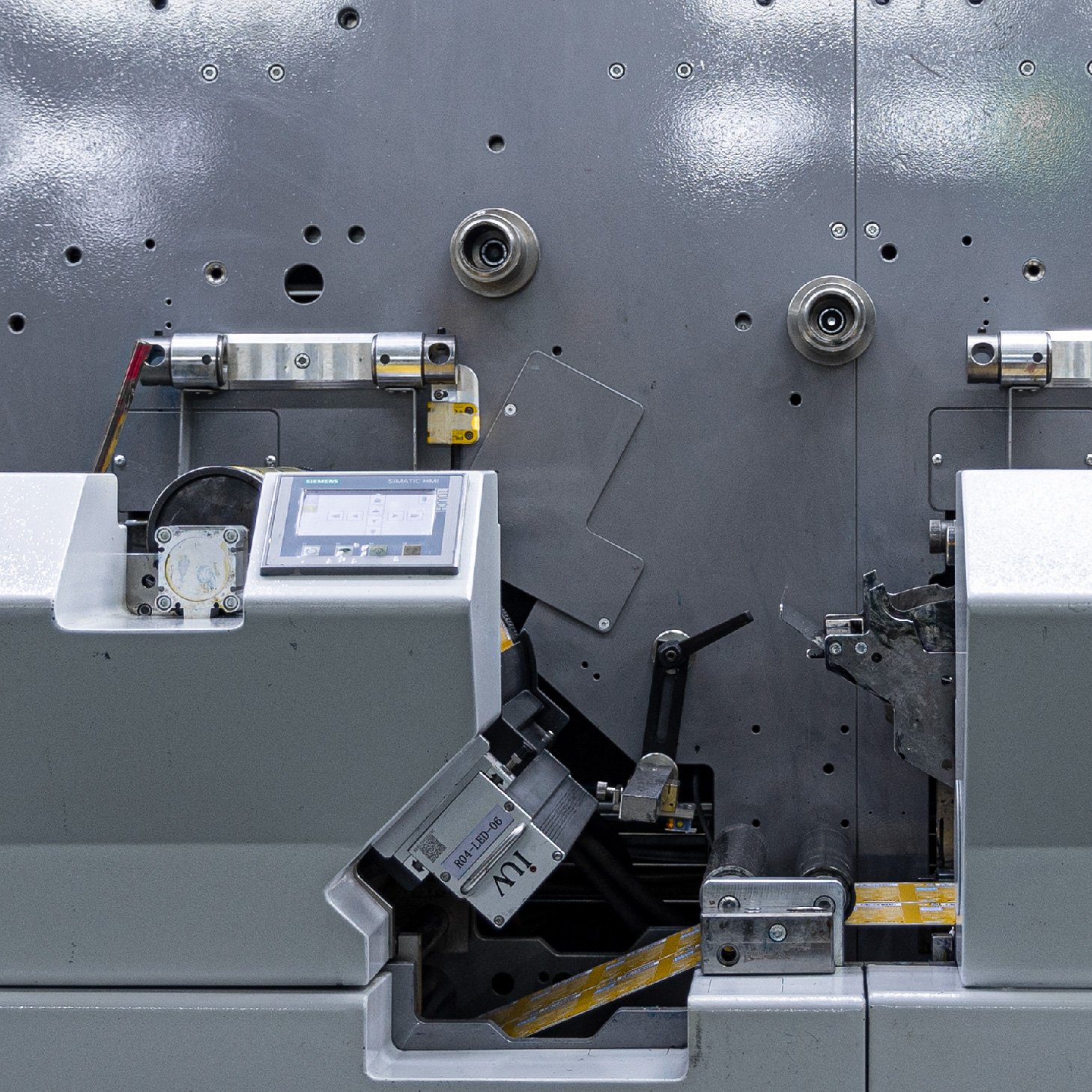
Flexographic printing, or “flexo,” is a workhorse in the label and packaging industry. It’s known for its speed and versatility. Now, a significant upgrade is revolutionizing this process: UV curing systems, especially those utilizing LED UV technology. This shift is not just about a new gadget; it’s about unlocking new levels of efficiency and quality in every print run.
The traditional methods of drying inks in flexo printing often involved heat or solvent evaporation. These methods can be slow, energy-intensive, and can sometimes lead to issues like ink migration or substrate distortion. Enter UV curing. UV curing uses ultraviolet light to instantly solidify or “cure” inks, coatings, and adhesives. This process is incredibly fast, often taking just a fraction of a second.
When we talk about UV curing in flexo printing, we’re typically referring to two main types of systems: mercury vapor lamps and LED UV systems. Mercury vapor lamps have been the standard for a long time. They provide a broad spectrum of UV light and are effective. However, they come with certain drawbacks. They consume a lot of energy, generate significant heat, and require regular replacement of the lamps themselves. This heat can be a problem, especially when printing on delicate or heat-sensitive substrates common in narrow web printing.
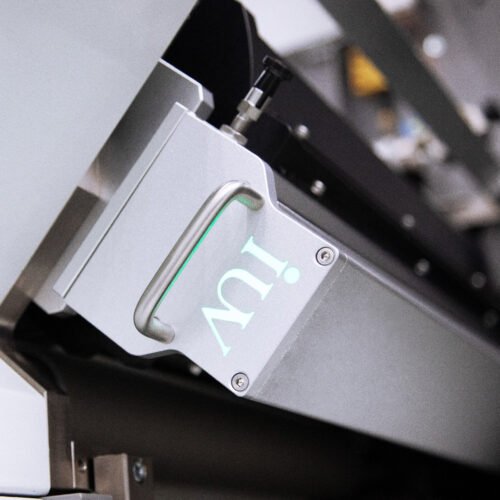
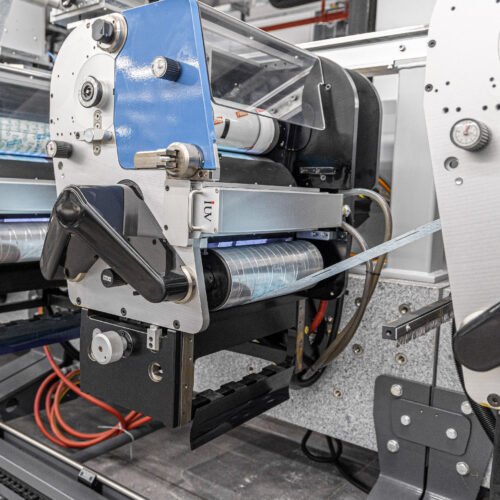
This is where LED UV curing systems really shine. Light Emitting Diodes offer a more focused and energy-efficient way to deliver UV light. They operate at much lower temperatures, which is a game-changer for narrow web flexo printing. Imagine printing intricate labels on thin plastic films without worrying about the substrate warping or melting. LED UV allows for this. The reduced heat also means less strain on the printing press itself, potentially leading to longer machine life and less downtime.
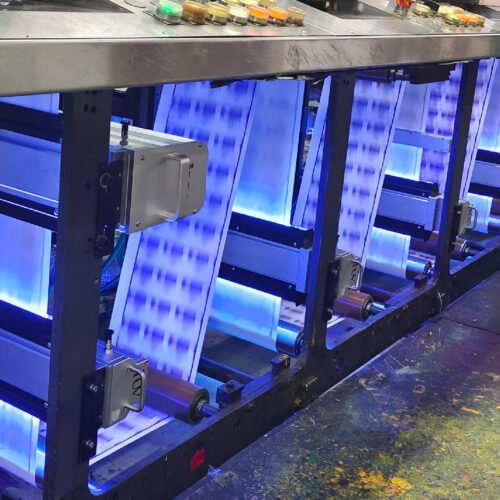
The efficiency gains from LED UV are multifaceted. Firstly, the instant curing means jobs can move straight to the next stage, whether that’s finishing, cutting, or packing. There’s no waiting for inks to dry. This drastically speeds up production workflows. For printers handling multiple short runs of labels, this agility is invaluable. It allows for quicker turnaround times and the ability to take on more jobs.
Secondly, the energy savings are substantial. LED UV systems use significantly less electricity compared to their mercury vapor counterparts. This not only reduces operational costs but also contributes to a more sustainable printing operation. In today’s market, environmental impact is a growing concern for brands, and using energy-efficient technology can be a strong selling point.
Ink formulation is another area where UV curing, particularly LED UV, makes a difference. UV-curable inks are typically 100% solid, meaning they don’t contain volatile organic compounds (VOCs) that evaporate during the drying process. This results in a healthier working environment and less pollution. LED UV-curable inks are specially designed to cure under the specific wavelengths emitted by LED lamps. These inks often offer superior adhesion, scratch resistance, and vibrant color reproduction.
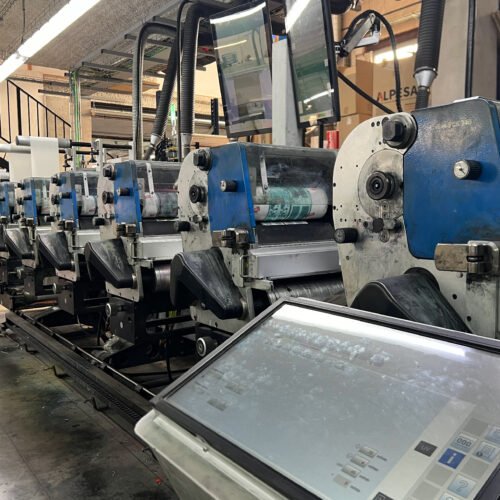
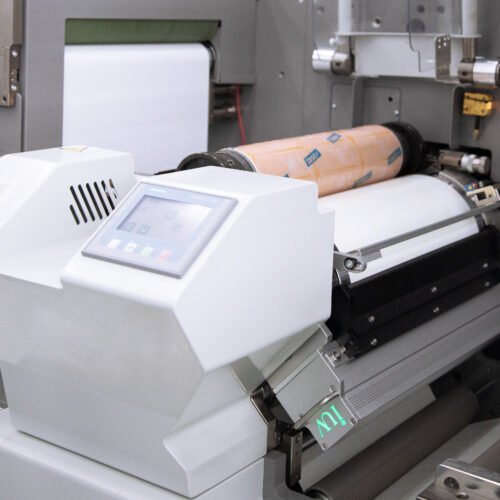
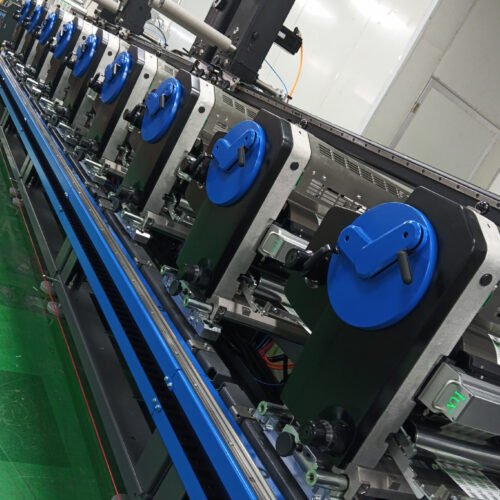
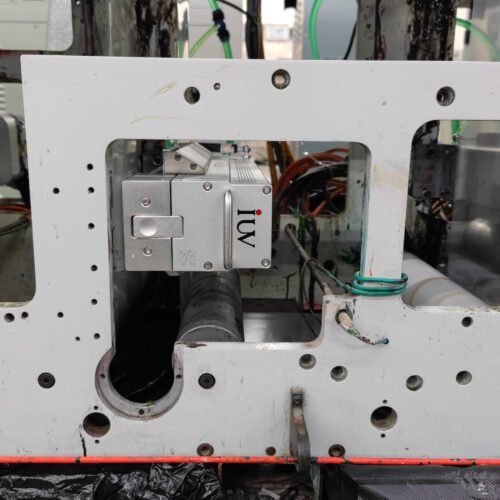
For narrow web flexo printing, which is extensively used for labels and small packaging, the precision and speed of UV curing are critical. These presses operate at high speeds, and the inks need to cure instantly to prevent smudging or offsetting. LED UV systems integrate seamlessly into these presses, often requiring less space than traditional UV units due to their compact design. This makes retrofitting older presses with LED UV technology a viable and often cost-effective upgrade.
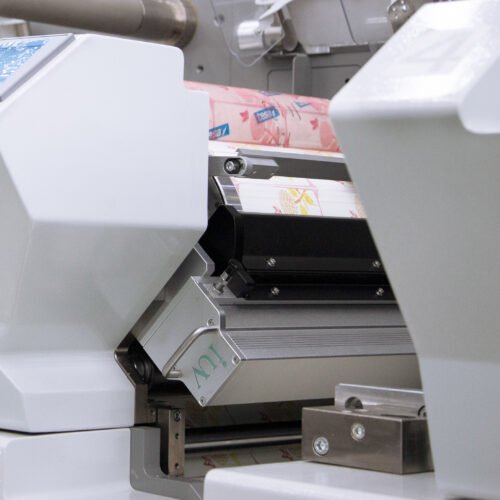
Consider the application of varnishes and coatings. UV-curable varnishes can add a protective layer or a special visual effect to printed labels. With LED UV, these coatings cure instantly, adding durability and a premium feel without slowing down the press. This is crucial for high-value label products where appearance and longevity are paramount.
The consistency of LED UV output is another advantage. Unlike mercury lamps that can degrade over time and require frequent power adjustments, LEDs provide a stable and predictable light output throughout their lifespan. This leads to more consistent ink curing from the first label to the last, reducing waste and ensuring repeatable quality across all print runs. This predictability is a cornerstone of efficient manufacturing.
When exploring UV curing systems for flexo printing, it’s also important to consider the substrate. The lower heat output of LED UV systems makes them ideal for a wider range of materials. This includes sensitive plastics, thin films, and even some papers that might be damaged by the heat generated by older drying technologies. This expanded substrate capability opens up new market opportunities for label printers.
The initial investment in LED UV systems might be higher than traditional UV, but the long-term savings in energy, lamp replacement, and increased productivity often make it a more economical choice. The reduced maintenance requirements for LED systems also contribute to this overall efficiency. There are no bulbs to replace every few thousand hours, and the operational life of LEDs is measured in tens of thousands of hours.
For those involved in label printing, especially in the narrow web flexo sector, understanding the capabilities of UV curing is essential for staying competitive. The shift towards LED UV technology is not just a trend; it represents a fundamental improvement in how we print. It offers a path to faster production, lower costs, higher quality, and a more environmentally friendly printing process. Embracing these advancements means unlocking the full potential of flexographic printing for today’s demanding market.
The integration of UV curing, particularly LED UV, into flexographic printing workflows significantly enhances operational efficiency. The rapid curing process eliminates drying bottlenecks, allowing for immediate post-press handling and faster job completion. This is a direct boost to productivity, enabling printers to manage a higher volume of work and respond more agilely to client demands. For narrow web operations focused on labels, this agility translates directly into a competitive advantage.
Furthermore, the energy efficiency of LED UV systems provides tangible cost reductions. By consuming less power than conventional mercury lamps, these systems lower electricity bills. The longevity of LED lamps also reduces ongoing expenses associated with frequent bulb replacements and maintenance, further contributing to a more cost-effective printing environment. This dual benefit of reduced energy consumption and lower maintenance makes LED UV a financially attractive solution for modern printing businesses.
The environmental benefits are also noteworthy. UV-curable inks are formulation-free of VOCs, leading to a healthier and safer workplace. The reduced energy usage also contributes to a smaller carbon footprint for the printing operation. As sustainability becomes an increasingly important factor in business decisions, these environmental advantages can enhance a printer’s reputation and appeal to eco-conscious clients.
The enhanced quality and versatility offered by UV curing systems are also critical components of their efficiency. UV-curable inks and coatings provide excellent adhesion, durability, and vibrant color reproduction. The ability to achieve high-quality finishes, such as high-gloss or matte effects, instantly without compromising speed, allows printers to offer a wider range of premium products. The precise control offered by LED UV systems ensures consistent results across every print.
In conclusion, the efficiency of UV curing systems, especially LED UV technology, in flexo printing is a transformative factor. It drives productivity through speed and reduced downtime, lowers operational costs via energy savings and reduced maintenance, improves print quality and substrate versatility, and supports environmental sustainability. For any operation in the label and narrow web printing space, understanding and adopting these technologies is key to optimizing performance and remaining at the forefront of the industry.