<!-- Meta Pixel Code --> <!-- 结束元像素代码 -->

Enhancing Specialty Coatings with High-Intensity LED Curing Systems in Modern Label Printing

Enhancing Specialty Coatings with High-Intensity LED Curing Systems in Modern Label Printing

The landscape of label printing is continuously evolving, driven by the demand for higher quality, greater efficiency, and innovative functionalities. Specialty coatings play a pivotal role in this evolution, offering unique aesthetic and performance characteristics that differentiate products on the shelf. From tactile effects and vibrant metallics to protective varnishes and functional barriers, these coatings elevate the value and appeal of printed labels. Historically, UV curing has been the go-to technology for rapidly drying and curing these inks and coatings. However, the advent of high-intensity LED curing systems is now revolutionizing how these specialty coatings are applied and cured, particularly in modern narrow web label printing.

The Growing Importance of Specialty Coatings in Label Design

Specialty coatings are no longer just an afterthought in label design; they are integral components that contribute significantly to a brand’s identity and product’s performance. These coatings can achieve a myriad of effects:

  • Aesthetic Enhancements: High-gloss varnishes, matte finishes, soft-touch coatings, and pearlescent or metallic effects add visual depth and tactile appeal. These elements can make a product stand out, convey a sense of luxury, or communicate specific brand values.
  • Functional Properties: Beyond appearance, coatings can provide crucial functionality. This includes scratch and abrasion resistance for durability, barrier properties against moisture or oxygen for product protection, and even specialized functionalities like conductivity or thermal responsiveness.
  • Brand Differentiation: In a crowded marketplace, unique finishes achieved through specialty coatings can create memorable brand experiences. They offer a tangible way for consumers to interact with a product before purchase.

The application of these diverse coatings, especially in complex multi-layer designs, requires precise and reliable curing methods. This is where advancements in UV curing technology become paramount.

Traditional UV Curing vs. High-Intensity LED Curing

For decades, traditional mercury-vapor UV lamps have been the standard for UV curing in the printing industry. These lamps emit a broad spectrum of UV light, including UV-A, UV-B, and UV-C, along with significant heat and ozone. While effective for many standard inks and coatings, they present several limitations, especially when dealing with sensitive specialty formulations:

  • Heat Generation: Mercury lamps produce substantial heat. This can cause substrate distortion, affect the viscosity of UV-curable materials, and even lead to premature curing or scorching, particularly on heat-sensitive materials like thin films. This limits the types of specialty coatings that can be effectively applied.
  • Energy Inefficiency: A large portion of the energy consumed by mercury lamps is converted into heat, not UV output. This leads to higher operating costs and a larger carbon footprint.
  • Lamp Degradation and Ozone: Mercury lamps degrade over time, requiring frequent replacement and maintaining a consistent UV output can be challenging. They also produce ozone, necessitating ventilation systems.
  • Limited Spectrum Control: The broad spectrum of mercury lamps is not always optimal for all UV-curable chemistry. Specific wavelengths are often more effective for certain photoinitiators and resins used in advanced coatings.

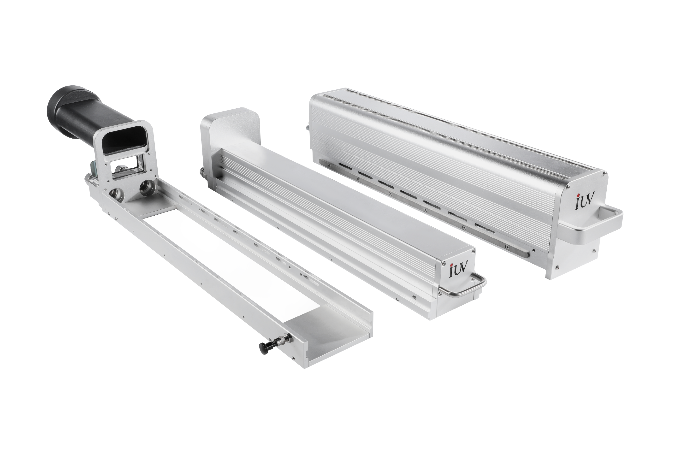
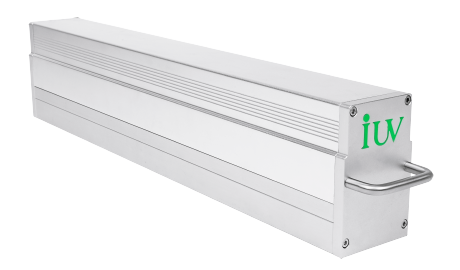
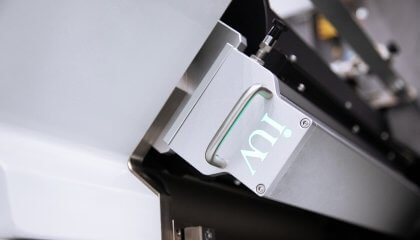
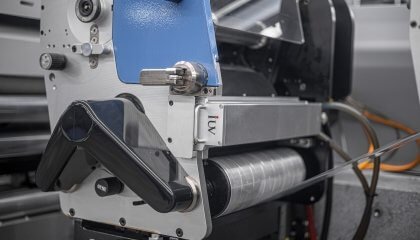
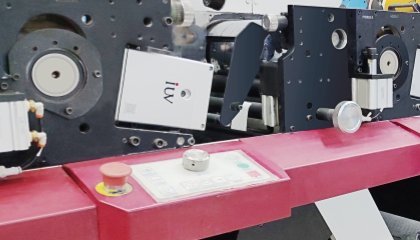
High-intensity LED curing systems, on the other hand, offer a paradigm shift. These systems utilize Light Emitting Diodes (LEDs) to generate UV light at specific, narrow wavelengths. This targeted approach brings a host of advantages:

  • Low Heat Emission: LEDs emit very little infrared radiation, meaning significantly less heat is transferred to the substrate. This is critical for printing on delicate films, thin papers, and heat-sensitive specialty coatings without compromising their integrity or performance.
  • Energy Efficiency: LEDs are far more energy-efficient, converting a higher percentage of electricity into UV light. This translates to lower operational costs and reduced environmental impact.
  • Longer Lifespan and Consistent Output: LED lamps have a much longer operational life (tens of thousands of hours) and maintain their UV output more consistently over time compared to mercury lamps. This reduces maintenance costs and ensures reliable curing performance.
  • Instant On/Off and Wavelength Specificity: LEDs can be switched on and off instantaneously, which saves energy during machine idle times. Crucially, they can be engineered to emit specific UV wavelengths (e.g., 365 nm, 385 nm, 395 nm, 405 nm). This precise control allows for optimal activation of photoinitiators in specialty coating formulations, leading to faster cure speeds and improved coating properties.
  • No Ozone Production: LED systems do not produce ozone, eliminating the need for extensive ventilation systems.

High-Intensity LED Curing for Specific Specialty Coatings

The benefits of high-intensity LED curing are particularly pronounced when applied to various types of specialty coatings used in modern label printing, across different printing processes like flexography and offset.

1. Tactile and Textured Coatings

Creating tactile effects, such as soft-touch or raised print, requires precise control over ink/coating viscosity and curing speed. Traditional UV lamps’ heat could cause these coatings to flow or cure unevenly. High-intensity LED systems, with their low heat and rapid, controlled curing, allow for:

  • Sharper Definition: The instantaneous cure prevents the coating from spreading, preserving fine details and crisp edges necessary for raised or textured effects.
  • Consistent Feel: The controlled curing process ensures that the tactile property is uniform across the entire label, providing a consistent user experience.
  • Broader Formulation Options: Printers can explore a wider range of thicker, higher-viscosity tactile varnishes that might have been problematic with the heat from mercury lamps.

2. High-Gloss and Matte Varnishes

Achieving a perfect high-gloss or deep matte finish demands a smooth, uniform surface. The controlled light output of LED curing systems ensures that:

  • Gloss Varnishes: Cure rapidly and evenly, creating a flawless, mirror-like surface without orange peel effects often seen with uneven curing. The specific wavelengths can be tuned to optimize the cure of high-gloss resin formulations.
  • Matte Varnishes: Achieve their desired flat appearance through specialized additives. Rapid curing with LEDs prevents these additives from migrating or settling incorrectly during the drying process, ensuring a consistent matte look.

3. Metallic and Pearlescent Coatings

These coatings rely on the orientation of metallic or pearlescent pigments for their visual effect. The curing process must freeze these pigments in place before they can shift. High-intensity LED curing is ideal because:

  • Pigment Freeze: The rapid and targeted cure locks the pigments in their desired positions, maximizing the brilliance and shimmer.
  • Wavelength Optimization: Certain LED wavelengths can be more effective at curing the specific binders used in metallic and pearlescent inks without degrading the pigments themselves.

Impact on Printing Technologies: Flexography and Offset

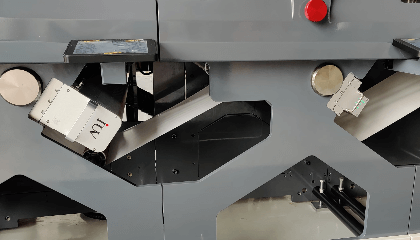
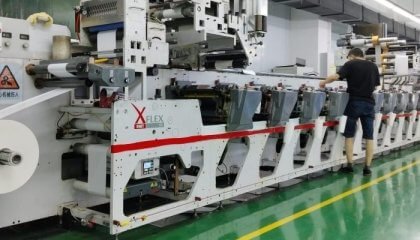
The integration of high-intensity LED curing systems has profound implications for both flexographic (flexo) and offset printing, the dominant narrow web label printing technologies.

Flexographic Printing

Flexo printing is known for its versatility in handling a wide range of substrates and ink types. With LED curing, flexo printers can achieve:

  • Extended Substrate Range: The low heat of LEDs allows for reliable printing on a wider array of plastic films, thin papers, and even some sensitive packaging materials that would be susceptible to heat damage from mercury lamps. This opens up new application possibilities.
  • Faster Press Speeds: High-intensity LEDs can cure inks and coatings more rapidly. Combined with the instant on/off capability and consistent output, this often enables faster press speeds without compromising cure quality, boosting productivity.
  • Improved Ink Adhesion and Durability: By optimizing the UV spectrum for specific ink chemistries, LED curing can promote better cross-linking of polymers, leading to enhanced adhesion and superior scratch, chemical, and abrasion resistance for specialty coatings.
  • Simplified Workflow: The instant on/off nature of LEDs, coupled with their long lifespan and no ozone production, simplifies machine operation, reduces downtime for lamp changes, and lowers ventilation requirements.

Offset Printing (Narrow Web)

In narrow web offset printing, LED curing is equally transformative for specialty coatings:

  • Enhanced Coating Performance: Offset lithography often involves applying thick varnish layers. LED curing ensures these layers are fully cured quickly and effectively, preventing smudging and improving resistance properties.
  • Color Fidelity: The controlled curing environment helps maintain the integrity of colors and metallic effects, which is crucial for high-impact labels.
  • Reduced Makeready Time: The immediate readiness of LED lamps for full power output can contribute to faster makeready processes, especially when changing jobs or performing tests.
  • Energy Savings and Sustainability: As with flexo, the energy efficiency of LEDs aligns with growing industry demands for more sustainable printing practices.

Considerations for Implementing LED Curing for Specialty Coatings

While the advantages are clear, implementing high-intensity LED curing systems for specialty coatings requires careful consideration:

  • LED Wavelength Selection: Different specialty coatings and inks utilize specific photoinitiators. It is crucial to match the LED output wavelength(s) to the absorption spectrum of these photoinitiators for optimal curing. Consult with ink and coating manufacturers to determine the best LED spectrum for your specific applications.
  • Irradiance and Dose: The intensity of the UV light (irradiance, measured in W/cm²) and the total energy delivered (dose, measured in J/cm²) are critical parameters. High-intensity LED systems can deliver higher irradiance, enabling faster curing. However, the optimal dose will depend on the coating formulation.
  • Cooling Systems: While LEDs generate less heat than mercury lamps, high-intensity systems still require effective cooling to maintain optimal operating temperatures and ensure longevity. Ensure the chosen system has adequate cooling for your press speed and environment.
  • Investment Costs: The initial investment for high-intensity LED curing systems can be higher than for traditional UV systems. However, this is often offset by lower operating costs (energy, lamp replacement), increased productivity, and the ability to offer new, high-value label products.
  • Substrate Compatibility: While LEDs are excellent for heat-sensitive substrates, always verify compatibility with your specific materials and coatings.

The Future of Label Printing with LED Curing

The synergy between high-intensity LED curing and advanced specialty coatings is a powerful driver of innovation in the label printing industry. As LED technology continues to advance, offering higher power outputs and a wider range of specific wavelengths, printers will unlock even greater possibilities. This will enable the creation of labels with unprecedented visual appeal, enhanced tactile experiences, and advanced functional properties. For narrow web printers looking to stay competitive and offer premium, differentiated products, embracing high-intensity LED curing for specialty coatings is not just an upgrade; it’s a strategic imperative for future success.

Contact IUV Curing Experts

滚动至顶部