<!-- Meta Pixel Code --> <!-- 结束元像素代码 -->

Enhancing Multi-Layer Label Printing with Automated UV Curing Controls

Enhancing Multi-Layer Label Printing with Automated UV Curing Controls

The label printing industry is constantly seeking ways to improve efficiency, quality, and the overall value proposition for clients. Multi-layer labels, with their intricate designs and functional requirements, present a unique set of challenges and opportunities. Achieving consistent, high-quality results in multi-layer label printing hinges on precise control over each stage of the production process. Among these, the UV curing of inks and coatings is a critical element, directly impacting adhesion, durability, and visual appeal. Implementing automated UV curing controls offers a significant leap forward in optimizing this vital process.

The Complexity of Multi-Layer Labels

Multi-layer labels are not just simple stickers; they are sophisticated constructions designed for specific applications. They can involve multiple layers of paper or film, each with its own printing, adhesive, and release coating. These labels might be used for product information, promotional content, tamper-evidence, or even booklet-style information delivery.

The printing processes involved can vary, often incorporating a combination of flexographic (flexo) and offset (or litho) printing, especially in narrow-web applications common for labels. Flexo printing is favored for its versatility on a wide range of substrates, while offset offers high-resolution image reproduction. The challenge arises when layering these printed materials, ensuring that inks and coatings are fully cured before the next layer is applied or the final product is finished. Incomplete curing can lead to smudging, poor adhesion between layers, delamination, and ultimately, a failed product.

The Role of UV Curing in Label Printing

Ultraviolet (UV) curing technology has become a cornerstone of modern label printing due to its speed and performance benefits. Unlike traditional heat-set or solvent-based inks that rely on evaporation, UV-curable inks and coatings contain monomers and oligomers that polymerize (harden) almost instantaneously when exposed to UV light. This rapid curing offers several advantages:

  • Speed: Faster press speeds are achievable as ink is cured immediately after application.
  • Quality: Excellent print quality, sharp dot definition, and vibrant colors are often realized.
  • Durability: Cured inks offer superior scratch resistance, chemical resistance, and colorfastness.
  • Environmental Benefits: UV inks are typically 100% solid, meaning they contain no volatile organic compounds (VOCs), making them a more environmentally friendly option.

In multi-layer label production, UV curing is applied at various stages. It might cure the ink on the first substrate before a second layer is applied, or it may cure the final varnish or adhesive. The efficiency and effectiveness of this curing directly influence the integrity of the entire label structure.

Introducing Automated UV Curing Controls

While UV curing itself is a powerful technology, its full potential in complex multi-layer applications is unlocked through automation. Manual control of UV curing systems can be inconsistent. Variables such as lamp intensity, exposure time, and distance between the lamp and the substrate can fluctuate, leading to uneven or incomplete curing. Automated UV curing controls address these issues by providing precise, repeatable management of the curing process.

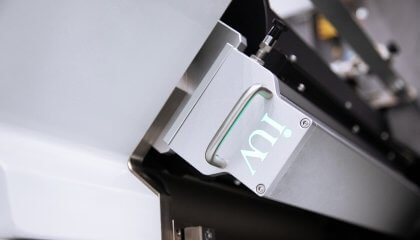
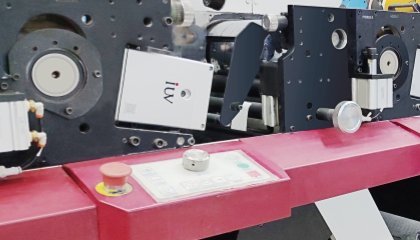
These systems typically integrate sensors and sophisticated software to monitor and adjust UV lamp output in real-time. This allows for dynamic adjustments based on press speed, substrate type, ink density, and even ambient conditions. For multi-layer labels, this level of control is invaluable.

Key Benefits of Automated UV Curing Controls for Multi-Layer Labels

Implementing automated UV curing controls brings a host of advantages to the production of multi-layer labels:

  • Consistent Curing Quality: Automation ensures that each layer receives the optimal UV dose. This eliminates variations in curing that can occur with manual adjustments, guaranteeing consistent adhesion and durability across all printed layers. For example, a specific ink may require a precise UV irradiance for full polymerization. Automated systems can maintain this level with high accuracy, batch after batch.
  • Enhanced Adhesion Between Layers: Multi-layer labels rely heavily on the bond between different substrates and printed layers. Incomplete UV curing can compromise the adhesion of subsequent layers or adhesives. Automated controls ensure that inks are fully cross-linked, providing a robust foundation for lamination and ensuring the structural integrity of the final label. This is particularly crucial for labels that are folded, creased, or subjected to stress during application or use.
  • Improved Press Speed and Throughput: By precisely managing the UV curing process, printers can operate at the maximum press speeds without compromising quality. Automated systems can dynamically adjust UV output to match varying speeds, preventing bottlenecks and increasing overall production throughput. This efficiency gain is directly translated into cost savings and improved delivery times for clients.
  • Reduced Material Waste: Inconsistent curing can lead to the production of defective labels that must be discarded. This waste represents not only material costs but also lost production time. Automated UV curing minimizes these defects by ensuring reliable curing, thereby reducing waste and improving the yield of saleable product.
  • Flexibility for Different Substrates and Inks: Multi-layer labels often utilize a variety of substrates, from thin films to thicker papers, and a range of ink formulations. Automated UV curing systems can be programmed with specific profiles for different materials and ink types, ensuring optimal curing conditions for each unique combination. This flexibility is essential for label converters serving diverse markets.
  • Energy Efficiency and Lamp Longevity: Advanced automated UV systems can optimize energy consumption by only delivering the necessary UV output. They can also monitor lamp performance and predict maintenance needs, extending the lifespan of expensive UV lamps. Some systems even offer intelligent controls that can reduce power consumption during press downtimes.

Integration with Printing Technologies

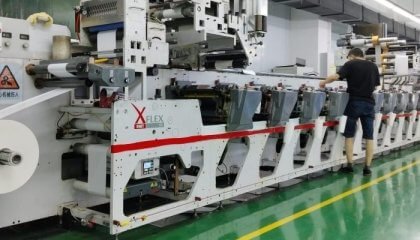
The effectiveness of automated UV curing controls is amplified when seamlessly integrated with flexographic and offset printing units, particularly in the narrow-web sector.

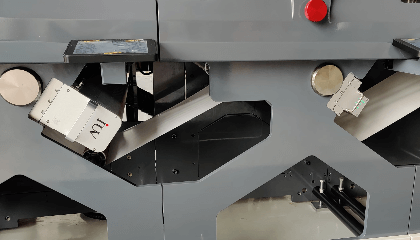
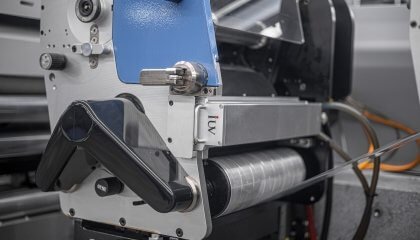
Flexographic Printing: In flexo, UV curing is typically placed after each print station to cure the ink before it comes into contact with the next anilox roll or plate. Automated controls ensure that even with rapid web movement and variable ink transfer, the UV energy is sufficient and consistent. This is vital for applications like spot colors, process printing, and coatings applied in multi-layer constructions.

Offset Printing (Narrow Web): For offset label printing, UV curing after each unit is also standard practice. Automated systems can adapt to the often higher ink film weights used in offset, ensuring complete penetration and polymerization of thicker ink layers, which is common in high-quality label graphics.

When printing multi-layer labels, a sequence of print units, each followed by an automated UV curing station, allows for the precise layering of inks and coatings. The automation ensures that the ink laid down on the first substrate is fully cured before a laminating adhesive is applied, or before the second substrate is brought into contact with it.

Considerations for Implementation

When considering the implementation of automated UV curing controls for multi-layer label printing, several factors should be evaluated:

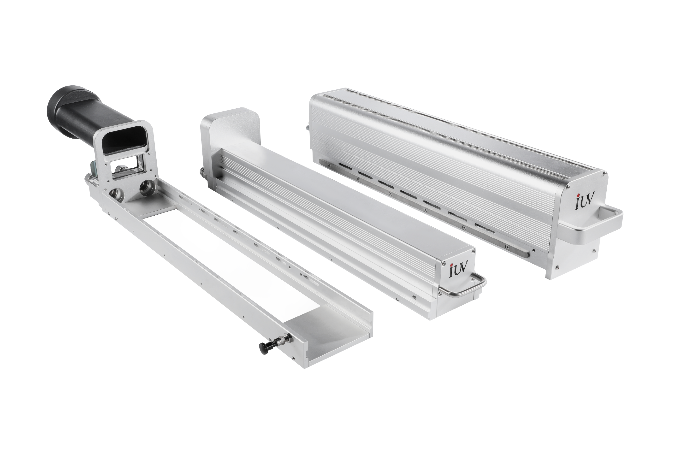
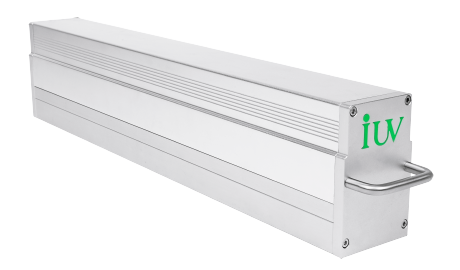
  • Type of UV Technology: While mercury lamps have been traditional, LED UV curing technology is gaining significant traction. LED UV offers a more focused spectrum of UV light, longer lifespan, lower energy consumption, and less heat generation, which can be advantageous for heat-sensitive substrates often found in multi-layer labels. Automated controls are essential for optimizing the performance of both mercury and LED systems.
  • System Integration: Ensure that the chosen automated UV curing system can be effectively integrated with existing printing presses and control systems. Compatibility and ease of operation are key.
  • Software and Control Interface: The user interface should be intuitive, allowing operators to easily select pre-programmed settings, create new curing profiles, and monitor system performance. The software’s ability to log data and provide reports can be valuable for quality control and troubleshooting.
  • Maintenance and Support: Investigate the manufacturer’s support, training, and maintenance services to ensure ongoing operational efficiency.

The Future of Multi-Layer Label Printing

As the demand for sophisticated, high-performance labels continues to grow, the role of advanced automation in production processes will only become more pronounced. Automated UV curing controls are not merely an add-on; they are becoming an integral component for achieving the precision, speed, and reliability required for complex multi-layer label printing. By mastering this technology, printers can enhance their competitive edge, deliver superior products, and meet the evolving needs of their diverse clientele in the dynamic label market.

Contact IUV Curing Experts

滚动至顶部