In the demanding world of label printing, durability is paramount. Labels are subjected to a constant barrage of wear and tear, from the rigors of handling and shipping to exposure to various chemicals in their end-use environments. For printers and brand owners alike, ensuring labels maintain their integrity and legibility under these harsh conditions is not just a matter of aesthetics; it’s a critical factor in product protection, brand representation, and consumer safety. Traditionally, achieving superior resistance to abrasion and chemicals has relied on established UV curing technologies. However, the advent of high-intensity LED UV curing presents a significant leap forward, offering enhanced performance and efficiency.
This advanced curing method leverages the power of light-emitting diodes to deliver a concentrated and precisely controlled UV spectrum. This targeted energy application results in a more thorough and rapid polymerization of UV-curable inks and coatings, directly translating to labels with superior resistance to physical abrasion and chemical attack. As we delve deeper into the specifics of narrow web printing, flexographic processes, and offset printing, we’ll explore how this technology is revolutionizing the way we create robust and resilient labels.
The Foundation: Understanding UV Curing in Label Printing
Before we examine the advantages of high-intensity LED curing, it’s helpful to briefly revisit the fundamentals of UV curing in the context of label production. UV curing is a photochemical process where ultraviolet light initiates a rapid chemical reaction, transforming liquid inks and coatings into a solid, durable film. This process is significantly faster than traditional thermal or air-drying methods, allowing for higher printing speeds and immediate post-print handling.
In the realm of label printing, UV-curable inks have become a staple due to their excellent adhesion, vibrant color reproduction, and resistance properties. The typical UV curing process involves passing the printed substrate under a UV lamp, usually a mercury vapor lamp, which emits a broad spectrum of UV light. This light energy excites photoinitiators within the ink formulation, triggering a chain reaction that cross-links the ink’s components. The result is a cured film that is dry to the touch and possesses inherent resistance.
Traditional UV vs. High-Intensity LED Curing: A Performance Upgrade
While traditional mercury vapor UV lamps have served the industry well, high-intensity LED UV curing systems offer distinct advantages, particularly in enhancing resistance properties. Traditional lamps emit a broad spectrum, much of which is not utilized efficiently by the ink chemistry. This broad spectrum also generates significant heat, which can be detrimental to heat-sensitive substrates and can affect print quality.
High-intensity LED curing, on the other hand, utilizes diodes that emit a very specific, narrow band of UV wavelengths. This precision allows for a much more targeted and efficient energy transfer to the photoinitiators in the ink. The result is a more complete and robust cure, leading to a significantly harder, more cross-linked ink film. This enhanced cross-linking is the key to improved resistance.
Enhancing Abrasion Resistance: Standing Up to Wear and Tear
Labels are frequently subjected to rubbing, scraping, and general handling. This can lead to scuffing, loss of print definition, and eventual failure of the label’s integrity. High-intensity LED curing directly addresses this challenge by creating a denser, more interlinked polymer network within the ink.
The concentrated UV energy from LED systems drives a more thorough polymerization process. This means that the ink’s molecules form more numerous and stronger bonds with each other. This tightly cross-linked structure is inherently more resistant to physical forces. When subjected to abrasion, the cured ink film is less likely to fragment or wear away. This translates to labels that maintain their pristine appearance and readability, even after extensive physical contact. For products that undergo significant handling during manufacturing, distribution, or consumer use, this improved abrasion resistance is invaluable.
Fortifying Against Chemicals: A Shield for Your Labels
Many labels are applied to products that are exposed to a variety of chemicals, from cleaning agents and solvents to oils and acids. These substances can degrade inks, cause color fading, lead to delamination, and ultimately render the label illegible or ineffective. High-intensity LED curing plays a crucial role in creating a chemical-resistant barrier.
The enhanced cross-linking achieved with LED curing forms a denser, less permeable ink film. This denser film acts as a more effective barrier against chemical penetration. The chemical molecules have a harder time migrating into or reacting with the cured ink. This results in significantly improved resistance to a wide range of common chemicals. For applications in industrial settings, automotive products, or household chemicals, where exposure is common, this enhanced chemical resistance is a non-negotiable requirement. The robust cure ensures that the label remains intact and informative, regardless of the chemicals it encounters.
Application in Narrow Web Printing: Precision and Speed
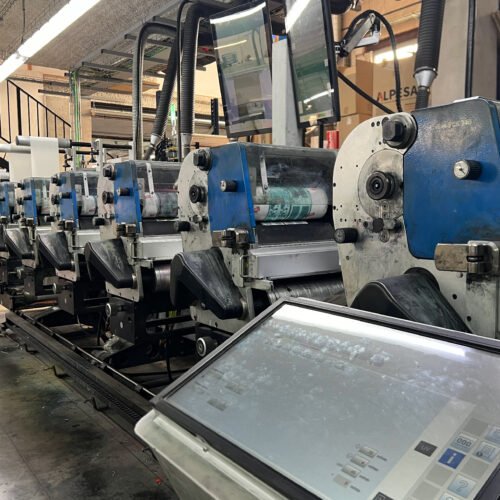
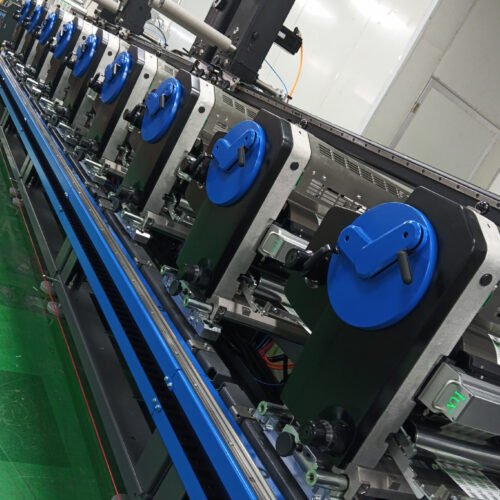
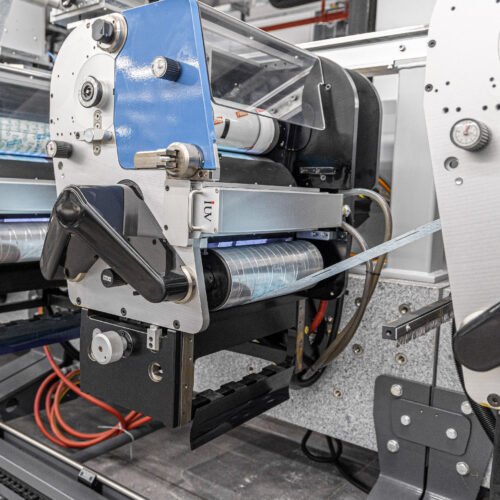
Narrow web printing, the dominant method for producing labels and flexible packaging, is an ideal environment for high-intensity LED UV curing. Presses in this sector are designed for high speeds and intricate detail, and LED curing systems are perfectly aligned with these characteristics.
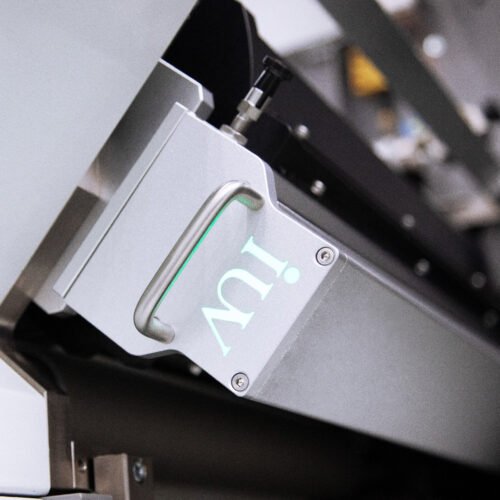
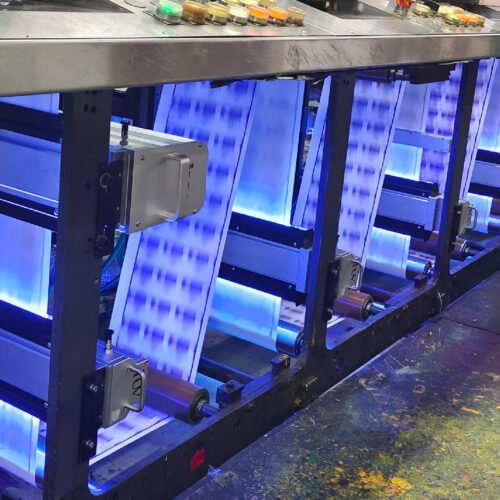
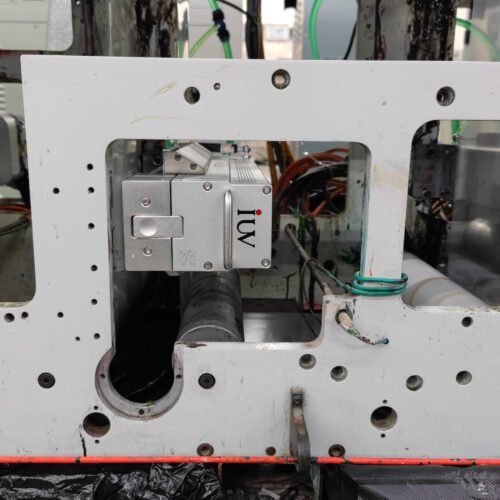
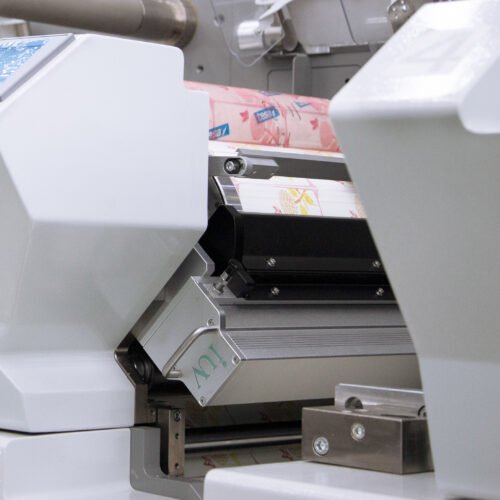
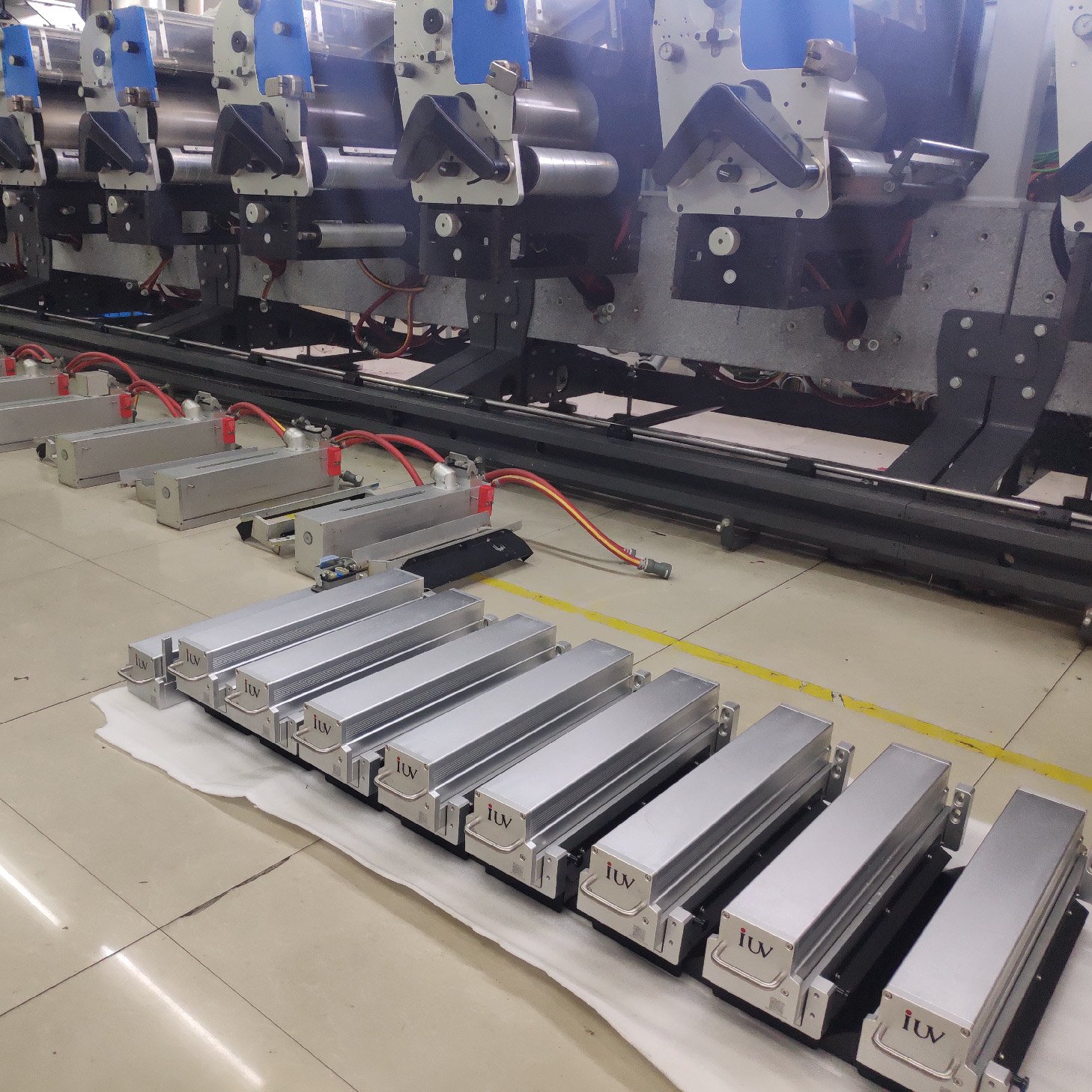
The compact nature of LED UV systems allows for easy integration into existing narrow web presses, often requiring less space than traditional mercury lamp setups. Crucially, LED emitters can be switched on and off instantaneously. This is a significant advantage in a web printing environment where stop-and-go operations can be less efficient. The instant on/off capability also reduces energy consumption, as the lamps are only active when printing, and it minimizes heat buildup on the web, which is critical for maintaining registration and preventing substrate distortion at high speeds. The precise wavelength control of LEDs also ensures optimal curing for specific ink formulations, maximizing the resulting durability.
Flexographic Printing: Versatility Meets Robustness
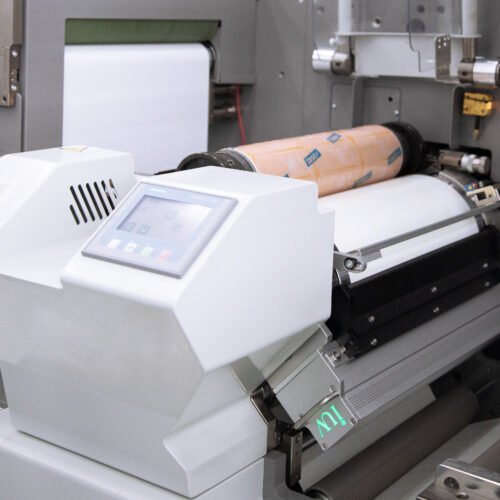
Flexographic printing is a highly versatile and widely used method for label production, known for its ability to print on a wide variety of substrates, including films, foils, and paper. The integration of high-intensity LED UV curing further enhances the capabilities of flexo printing for durable labels.
In flexo, inks are transferred from an inked image carrier (flexo plate) to the substrate. Achieving a durable print with flexo often depends on ink transfer efficiency and proper ink curing. High-intensity LED curing ensures that the ink, regardless of its viscosity or how it’s applied via the flexo plate, is cured quickly and completely. This leads to better ink adhesion to the substrate and superior resistance to both abrasion and chemicals, even on challenging materials. The ability to achieve such high durability without compromising the inherent speed and substrate flexibility of flexography makes LED curing a powerful tool for flexo printers.
Offset Printing: Quality and Resilience Combined
While less common for labels than flexo, offset printing, particularly sheet-fed offset, is also utilized in label production, often for higher-quality, shorter-run jobs. Here too, high-intensity LED UV curing brings substantial benefits.
Offset printing relies on the principle of ink and water repulsion. When using UV-curable inks in offset, the goal is to achieve a high-quality print with excellent color fidelity and rapid drying. High-intensity LED curing excels in this regard by providing an immediate and thorough cure. This ensures that the printed image is not susceptible to smudging or scratching during subsequent finishing processes like die-cutting or lamination. The enhanced chemical and abrasion resistance directly contribute to the longevity and performance of offset-printed labels, making them suitable for a wider range of demanding applications.
Considerations for Ink Formulations and Curing Setup
To fully leverage the benefits of high-intensity LED curing for abrasion and chemical resistance, careful consideration must be given to both ink formulation and the curing system setup. Ink manufacturers have developed specific UV ink formulations designed to optimize their response to the narrow wavelength output of LED lamps. These formulations often contain photoinitiators that are highly efficient at absorbing the specific wavelengths emitted by the LEDs.
When setting up an LED curing system, factors such as the wavelength of the LEDs (e.g., 365nm, 395nm), the intensity of the UV output, and the exposure time are critical. The press speed will dictate the required UV irradiance (power density) to achieve a complete cure. It’s important to work with ink suppliers and equipment manufacturers to ensure the chosen LED system is appropriately matched to the ink chemistry and printing process to achieve the desired level of durability. Proper setup ensures that the energy delivered is precisely what’s needed to create that highly cross-linked, resistant ink film.
The Future of Durable Labels
The drive for greater efficiency, sustainability, and superior product performance in the label industry continues to accelerate. High-intensity LED UV curing represents a significant advancement in meeting these demands, particularly when it comes to enhancing label resistance to abrasion and chemicals. By providing a more effective, efficient, and precise curing process, LED technology empowers printers to produce labels that are not only visually appealing but also exceptionally durable. As this technology continues to evolve, we can expect even greater innovation in ink formulations and curing systems, leading to labels that can withstand increasingly challenging environments and perform reliably throughout their lifecycle. For businesses that rely on robust, long-lasting labels, embracing high-intensity LED curing is a strategic step towards ensuring product integrity and brand excellence.