<!-- Meta Pixel Code --> <!-- 结束元像素代码 -->

Cost Comparison: LED Curing Systems vs Mercury Lamp UV Systems

Cost Comparison LED Curing Systems vs Mercury Lamp UV Systems

Cost Comparison: LED Curing Systems vs Mercury Lamp UV Systems in Printing

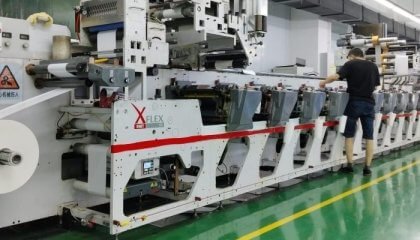
In modern printing, especially in the realms of label, flexible packaging, and narrow-web applications, UV curing technology plays a vital role. As the industry shifts toward sustainability and efficiency, understanding the cost implications of different curing systems becomes essential. Two primary options dominate the market: traditional mercury lamp UV systems and the newer LED curing systems. This comparison explores their costs, benefits, and suitability across various printing processes such as label printing, flexography, and flexographic plate mounting.


The Basics of UV Curing in Narrow Web and Flexo Printing

UV curing involves the application of ultraviolet light to instantly dry or cure inks, coatings, or adhesives on substrates. This process enhances productivity, improves ink adhesion, and provides vibrant, durable finishes. Different printing processes, including label printing, flexography, and letterpress, depend on efficient UV curing technology suited for their specific workflow.

In narrow-web and flexo printing, UV curing speeds and energy efficiency are critical. Inks used in label and flexible packaging often require precise curing to prevent smudging, ensure color consistency, and maintain print quality. Both Mercury lamp and LED systems aim to trigger photoinitiators in inks and coatings rapidly. The choice of system influences operational costs, maintenance, and environmental impact.


Initial Equipment Investment: Mercury Lamp vs LED

The upfront cost remains the most apparent difference between the two systems. Mercury vapor lamps are generally less expensive initially, making them attractive for smaller operations or those with limited upfront budgets. Their cost range is typically lower, but this advantage diminishes when considering long-term expenses.

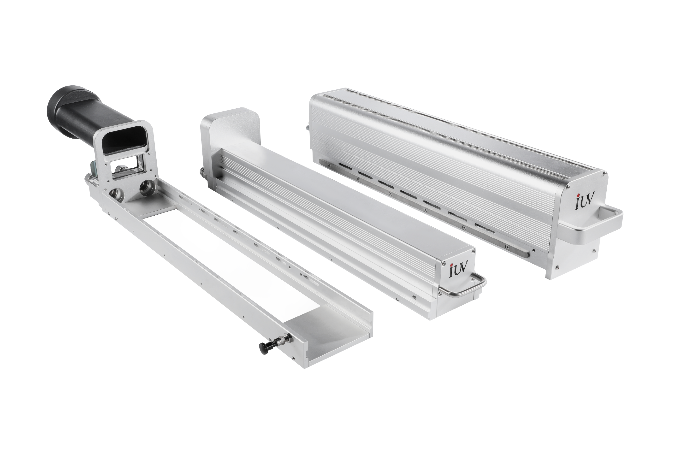
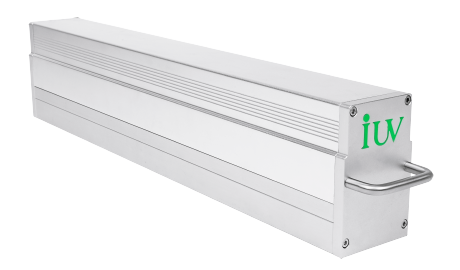
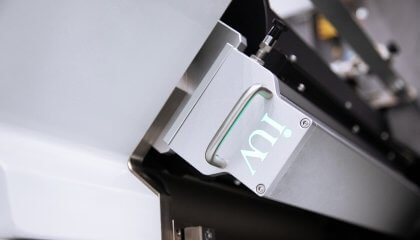
Conversely, LED curing units tend to have a higher initial price tag. They require advanced electronics, heat management systems, and specific power supplies. However, technological advancements and mass production have steadily decreased LED prices, narrowing the gap. For printers seeking better long-term value and technology leadership, LED systems are increasingly appealing.


Energy Consumption and Operational Costs

Energy efficiency becomes a defining factor over the lifespan of curing equipment. Mercury lamps consume significant power, often requiring high wattage for full output. They operate at high intensity but also produce considerable heat, necessitating robust cooling systems.

LED systems boast higher energy efficiency, consuming up to 70–80% less power than mercury lamps. Reduced energy consumption results in notable savings on electricity bills and aligns with eco-friendly initiatives. Additionally, lower power usage generates less heat, minimizing the need for climate control interventions and reducing wear on other machine components.

The operational cost savings associated with LED’s energy efficiency can offset their higher initial investment, especially for high-volume, continuous printing operations.


Lamp Lifespan and Maintenance

Lamp longevity directly influences total cost of ownership. Mercury lamps typically last around 1,000 to 2,000 hours before requiring replacement—meaning frequent, costly lamp changes and disposal. Lamp replacements also involve handling hazardous materials, increasing environmental compliance costs.

In contrast, LED UV systems feature a lifespan exceeding 20,000 hours with minimal degradation. This extended durability lowers maintenance frequency and expenses, reduces downtime, and lessens environmental impact from lamp disposal.

Moreover, lamp warm-up and cool-down times affect productivity. Mercury lamps require several minutes to reach full output and cool down before shutdown, causing delays. LED systems operate instantly at full power, enabling quicker start-up and higher productivity.


Environmental Impact and Compliance

Environmental regulations increasingly favor sustainable industrial practices. Mercury lamps contain hazardous materials such as mercury, requiring careful handling and disposal to avoid environmental contamination. This adds to disposal costs and regulatory burdens.

LED systems are free from hazardous substances, producing no ozone or UV emissions aside from the targeted curing process. Their energy efficiency also reduces the carbon footprint of printing operations. A switch to LED curing aligns with sustainable manufacturing goals and can improve a company’s environmental reputation.


Versatility in Different Printing Processes

Both curing systems are compatible with various printing substrates and inks, but their adaptability depends on specific product requirements.

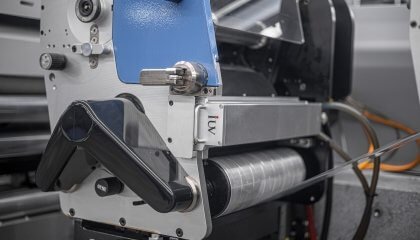
  • Label and Narrow Web Printing: LED systems excel in curing fast, thin substrates like films and foils, making them excellent for label printing, flexible packaging, and shrink sleeves. Their precise wavelength control enhances color accuracy and adhesion.
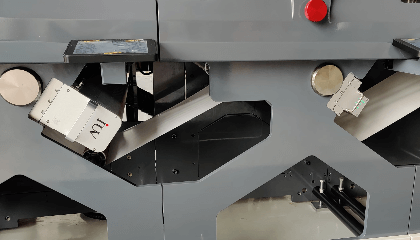
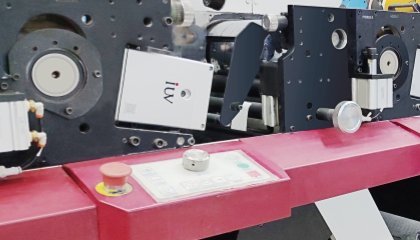
  • Flexography and Plate Mounting: For flexible plate mounting and rapid changeovers, LED units provide consistent curing across diverse ink systems and substrates. They also maintain stable curing conditions, resulting in higher quality and reduced waste.
  • UV Coatings and Spot Curing: Many UV spot coatings and specialty inks benefit from LED curing due to its instant on/off capability and fine control over intensity, preserving fine details and textures.

Productivity and Quality Outcomes

The instant start-up and consistent intensity of LED systems contribute to smoother production lines, reducing delays and increasing throughput. Reduced heat generation minimizes substrate warping or distortion, which is crucial in maintaining registration accuracy, especially when printing on sensitive or thin substrates.

Furthermore, LED’s stable output ensures uniform curing across a printed run, which is key in achieving consistent color Ink adhesion, gloss, and durability—imperative in label and flexible packaging markets.


Long-term Cost Effectiveness

While the initial investment for LED curing appears higher, the total cost savings over time often outweighs this. Reduced energy consumption, minimal maintenance, longer lifespan, and environmentally friendly operation contribute to a lower total cost of ownership.

Industry trends indicate a growing shift toward LED systems, driven by their sustainability credentials, operational efficiency, and technological advantages. For printers aiming to stay competitive and eco-conscious, transitioning to LED UV curing offers a strategic benefit.


Making the Choice: Which System Fits Your Needs?

Deciding between mercury lamp and LED systems involves assessing several factors:

  • Budget constraints: Mercury lamps may suit startups or low-volume operations initially.
  • Volume and throughput: High-volume printers benefit from LED’s durability and rapid start-up.
  • Environmental goals: LED systems align with sustainability targets.
  • Substrate compatibility: Some flexible and sensitive substrates perform better with LED curing.
  • Long-term ROI: Consider maintenance, energy savings, and capacity expansion when evaluating total costs.

A thorough analysis of workflow, substrate types, quality standards, and sustainability commitments will guide the optimal choice. Both systems have merits, but the emerging consensus favors LED UV curing for its superior efficiency, lower environmental impact, and long-term cost savings.


Final Thoughts

The evolution of UV curing technology reflects a broader trend toward smarter, more sustainable manufacturing. As the industry advances, understanding the financial and operational differences between LED and mercury lamp systems ensures printers make informed choices that boost competitiveness and environmental responsibility. Whether upgrading existing equipment or investing in new installations, appreciating the total cost of ownership remains key.

Contact IUV Curing Experts

滚动至顶部