<!-- Meta Pixel Code --> <!-- 结束元像素代码 -->

Color Consistency Solutions for Long-Run Narrow-Web Digital Jobs

Color Consistency Solutions for Long-Run Narrow-Web Digital Jobs

Achieving precise and repeatable color is a cornerstone of high-quality label printing. This becomes even more critical in long-run narrow-web digital jobs where consistency across thousands, or even millions, of labels is paramount. The demands of brands and consumers for vibrant, accurate colors that perfectly match their vision mean that any deviation can lead to costly reprints and damaged reputations.

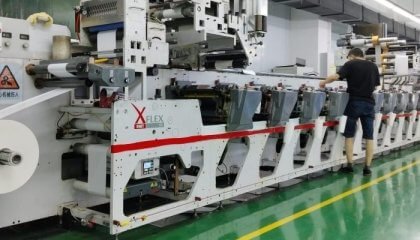
The journey to color consistency in this demanding environment involves a deep understanding of the printing process itself, from substrate selection and ink formulation to the curing technology employed. For narrow-web applications, particularly those in the label and packaging sectors, digital printing offers immense flexibility and speed. However, maintaining that color fidelity over extended runs requires a strategic approach that leverages the latest advancements, especially in LED UV curing.

The Challenges of Color Consistency in Narrow-Web Digital Printing

Narrow-web printing, by its nature, often deals with smaller print areas and high production speeds. This means that even subtle variations in the printing process can be amplified across a long run. Several factors contribute to the challenges:

  • Ink Variation: Digital printing inks can vary between batches and even within the same batch. Pigment dispersion, viscosity, and solid content are all critical parameters that influence color output.
  • Substrate Interaction: Different substrates absorb and reflect ink differently. Porosity, surface energy, and color of the material itself play significant roles in the final color appearance.
  • Environmental Factors: Temperature and humidity fluctuations can affect ink viscosity and drying/curing rates, leading to color shifts.
  • Press Variables: Variations in printhead performance, anilox roll condition (in flexo, which often complements digital workflows), and doctor blade pressure can all impact ink laydown.
  • Curing Process: Inadequate or inconsistent curing can lead to ink migration, scuffing, and color changes over time. This is where LED UV curing technology truly shines.

The Role of LED UV Curing in Color Consistency

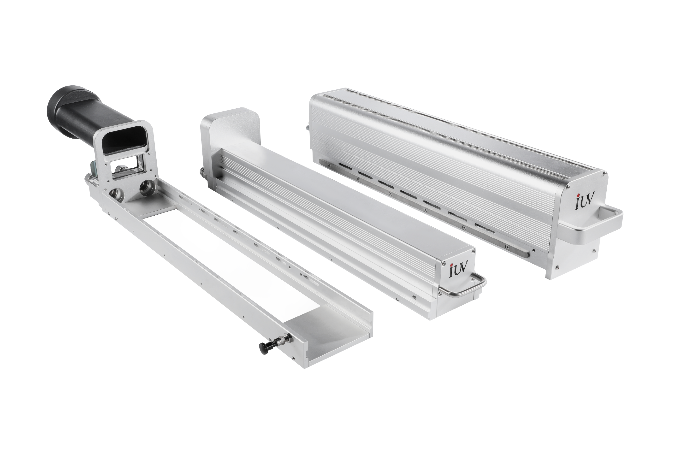
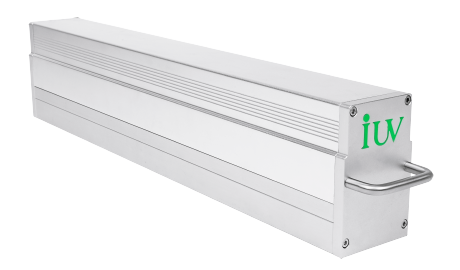
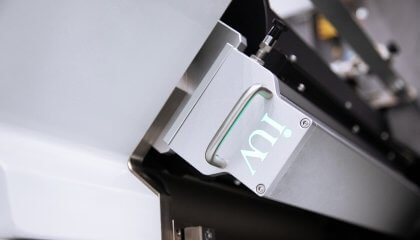
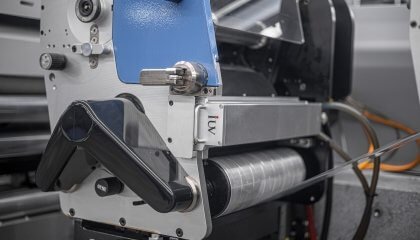
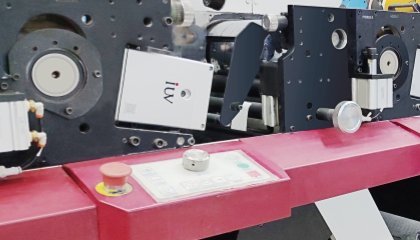
LED UV curing technology has revolutionized the printing industry, and its impact on color consistency in narrow-web digital jobs is profound. Unlike traditional mercury UV lamps, LEDs offer a much more controlled and stable energy output.

  • Stable Energy Output: LEDs emit a specific wavelength of UV light and do so consistently throughout their lifespan. This ensures that the photoinitiators in the ink are activated uniformly, leading to predictable and repeatable curing. Mercury lamps, on the other hand, degrade over time and their output can fluctuate, making consistent curing a challenge.
  • Precise Wavelength Control: Different inks are formulated to cure under specific UV wavelengths. LEDs can be precisely tuned to emit the optimal wavelength for a given ink chemistry. This targeted approach maximizes curing efficiency and minimizes energy waste, contributing to stable ink performance.
  • Instant On/Off: LEDs can be switched on and off instantly. This allows for precise control over the curing process, especially important when dealing with heat-sensitive substrates or when optimizing energy usage. There’s no warm-up or cool-down period, ensuring immediate and consistent curing as soon as the ink is exposed.
  • Lower Heat Input: Compared to mercury lamps, LEDs generate significantly less heat. This is a major advantage for narrow-web printing, where many substrates, such as thin films and some papers, can be sensitive to heat. Excessive heat can cause substrate distortion, ink migration, and color degradation. With LED UV curing, the substrate remains cooler, preserving ink integrity and color stability.
  • Uniform Curing: The array of LEDs can be designed to provide a uniform light distribution across the entire width of the web. This ensures that all printed areas receive the same amount of UV energy, leading to even curing and consistent color across the label.

Optimizing Ink and Substrate for Digital Narrow-Web Printing

The ink and substrate are the fundamental building blocks of any printed piece, and their synergy is crucial for color consistency.

  • Ink Formulation: For digital narrow-web applications, particularly with LED UV curing, inks are engineered with specific photoinitiators and monomers/oligomers that react efficiently to the LED wavelengths. The pigment quality and dispersion are paramount. High-quality, stable pigments ensure that the color strength and hue remain consistent from the first label to the last. Manufacturers investing in advanced pigment dispersion technology and rigorous quality control for their ink batches significantly contribute to achieving predictable color results.
  • Substrate Selection: The choice of substrate directly impacts how ink appears. For narrow-web jobs, common substrates include coated and uncoated papers, various films (PET, BOPP, PE), and even some specialty materials. Understanding the substrate’s surface properties, such as its porosity and surface energy, is key. A consistent substrate quality from a reputable supplier is non-negotiable for long-run consistency. Pre-treatment of certain films can also enhance ink adhesion and, consequently, color vibrancy and durability.

Workflow and Pre-press Considerations

A robust pre-press workflow is essential for setting the stage for color consistency.

  • Accurate Color Management: This starts with well-calibrated monitors and spectrophotometers. Using International Color Consortium (ICC) profiles for both the digital printing device and the specific inks being used is vital.
  • Spot Color Matching: For brands relying on specific brand colors, accurate spot color reproduction is critical. This often involves using color libraries and ensuring the digital device and inks can accurately reproduce these specific hues. Tools like spectrophotometers are indispensable for verifying color matches.
  • Profiling and Calibration: Regularly profiling the digital printing press is a must. This process measures the press’s output across a range of colors and creates a profile that tells the RIP (Raster Image Processor) how to convert RGB or CMYK data into the specific ink densities needed for that press and ink combination. Calibration ensures that the press is consistently performing to that profile.

The Synergy: Digital Printing, LED UV, and Narrow-Web

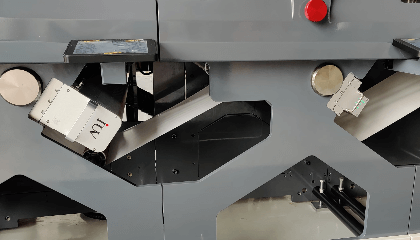
When digital printing technology is combined with LED UV curing in a narrow-web environment, a powerful solution for consistent color emerges.

  • Flexibility Meets Stability: Digital printing offers on-demand capabilities and short-run efficiency. LED UV curing provides the stable, efficient, and high-quality cure needed to realize the full potential of digital inks. In narrow-web, this combination allows for high-volume production of diverse label designs without compromising on color integrity.
  • Reduced Environmental Impact: LED UV curing systems are more energy-efficient and do not contain mercury, making them an environmentally friendlier choice. This aligns with the growing demand for sustainable printing practices.
  • Enhanced Durability: The efficient cure provided by LED UV results in inks that are highly resistant to scratching, chemicals, and fading. This means the vibrant, consistent colors achieved on press will remain true throughout the product’s lifecycle.

Maintaining Color Consistency Over the Long Haul

Even with the best technology, maintaining color consistency over very long runs requires ongoing vigilance.

  • Regular Press Maintenance: Keeping printheads clean, ensuring proper ink flow, and maintaining the LED curing units are crucial.
  • Scheduled Calibration: Don’t wait for a problem to occur. Schedule regular press calibrations to ensure the output remains within specification.
  • In-Line Measurement (Where Applicable): Some advanced digital presses offer in-line color measurement capabilities, allowing for real-time monitoring and automatic adjustments to maintain color fidelity.
  • Ink Lot Tracking: For critical jobs, maintaining records of ink lot numbers used can be helpful in troubleshooting any unexpected color shifts.

In conclusion, achieving steadfast color consistency for long-run narrow-web digital jobs is not a single-step process but a well-orchestrated interplay of technology, materials, and meticulous workflow management. The advent of LED UV curing technology has been a significant leap forward, offering a stable, efficient, and controlled curing environment that is indispensable for realizing repeatable, vibrant color results. By understanding and optimizing each element – from ink and substrate to pre-press and the curing process itself – printers can confidently deliver labels that meet the highest color standards, even across the most demanding production runs.

Contact IUV Curing Experts

滚动至顶部