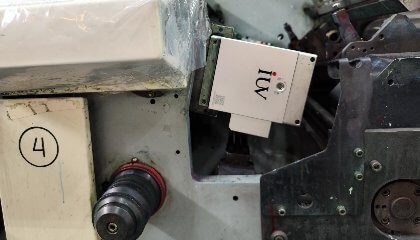
In the dynamic world of label production, efficiency, quality, and cost-effectiveness are paramount. As print shops navigate evolving market demands and environmental considerations, the choice of curing technology plays a pivotal role. For narrow-web label printers, particularly those involved in flexographic and offset printing, transitioning to LED UV curing presents a compelling opportunity. This guide explores the critical factors to consider when selecting the right LED UV curing system to enhance your workflow.
Understanding UV Curing in Label Printing
UV curing, a process that uses ultraviolet light to instantly dry or “cure” inks, coatings, and adhesives, has long been a staple in label printing. Traditional mercury vapor lamps have been the workhorse for decades. However, the advent of Light Emitting Diode (LED) UV technology has revolutionized this space, offering significant advantages. Unlike mercury lamps, LED UV systems emit a specific, narrow wavelength of UV light, precisely matched to the photoinitiators in UV-curable inks and coatings. This targeted approach ensures efficient curing with numerous benefits.
Why LED UV for Narrow-Web Labels?
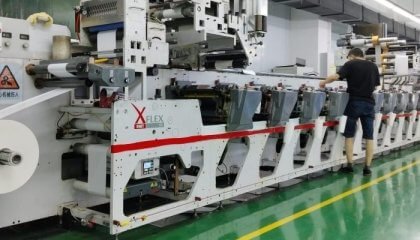
The narrow-web printing sector, which encompasses flexographic, offset, and some digital label printing, has specific needs that LED UV curing addresses effectively. Narrow-web presses typically run at high speeds and require rapid drying between print stations. LED UV systems excel in this regard, providing instant, consistent curing without generating excessive heat. This is crucial for heat-sensitive substrates often used in label production, such as thin films and certain papers.
Furthermore, LED UV technology aligns with sustainability goals. These systems consume less energy than mercury lamps and have a significantly longer lifespan, reducing waste and replacement costs. The absence of ozone generation is another environmental advantage.
Key Considerations for Selecting an LED UV System
Choosing the optimal LED UV curing system involves a careful evaluation of several technical and operational aspects.
1. Wavelength and Irradiance
The most critical factor in LED UV curing is the emitted wavelength. Most UV-curable inks and coatings are formulated for specific UV ranges. For label printing, common LED wavelengths include 365 nm, 385 nm, 395 nm, and 405 nm. It’s imperative to match the LED emitter’s wavelength precisely with the photoinitiators present in your chosen inks and coatings. Mismatched wavelengths lead to incomplete curing, poor adhesion, and surface tackiness.
Irradiance, measured in W/cm², quantifies the power density of the UV light. Higher irradiance generally translates to faster curing speeds. However, simply opting for the highest irradiance isn’t always the best solution. You need sufficient irradiance to cure your specific inks at your desired press speeds, without over-exposing and potentially damaging the substrate or causing ink degradation. Consult with your ink supplier to determine the optimal irradiance levels for their products.
2. Curing Area and Lamp Placement
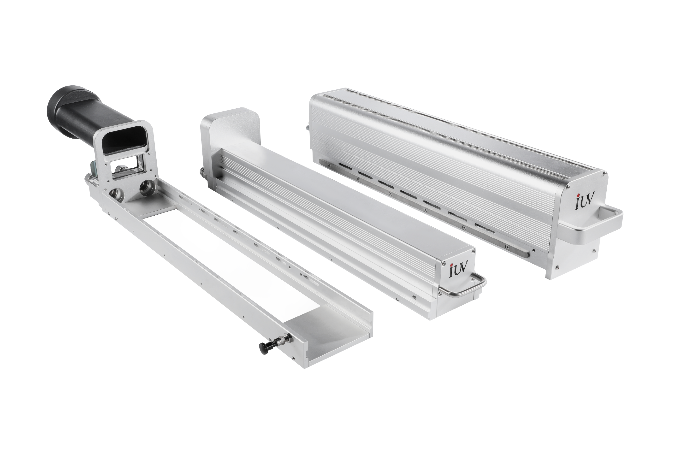
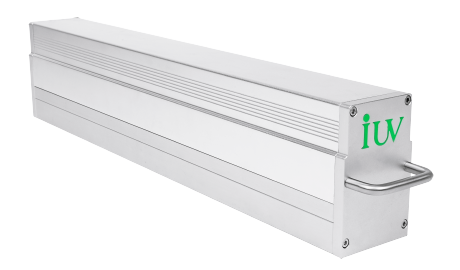
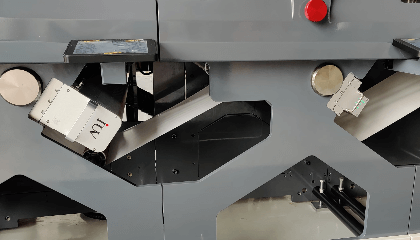
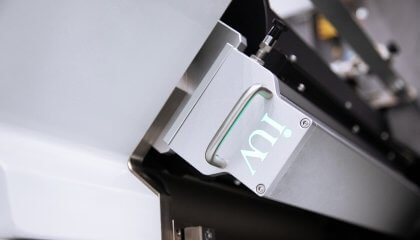
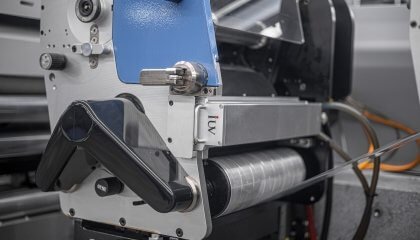
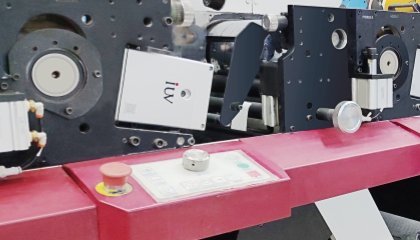
The size and configuration of the LED UV lamp head are crucial. For narrow-web presses, compact lamp heads are often necessary to fit within the limited space between printing units. Consider the width of your press and the number of print stations requiring curing. Each station will need its own dedicated LED UV emitter.
The placement of the lamps is equally important. They should be positioned as close to the substrate as possible without risking contact. This proximity ensures maximum energy transfer and efficient curing. Modular LED UV systems offer flexibility, allowing you to configure the number and arrangement of lamp heads to suit your press layout and specific application needs.
3. Cooling System
LEDs generate heat, albeit significantly less than mercury lamps. An effective cooling system is essential to maintain optimal operating temperatures for the LED chips. Overheating can reduce the lifespan of the LEDs and diminish their output. Common cooling methods include air cooling and water cooling.
- Air Cooling: Simpler and often less expensive, air-cooled systems rely on fans to dissipate heat. They are suitable for applications with lower power requirements or where ambient temperatures are moderate.
- Water Cooling: More efficient and capable of handling higher power demands, water-cooled systems circulate a coolant through the lamp head. These are ideal for high-speed presses or demanding applications where consistent, powerful curing is required.
The choice depends on your press speed, ambient operating conditions, and the specific power output of the LED system.
4. Power Supply and Control
The power supply unit (PSU) for an LED UV system needs to be robust and reliable, capable of delivering stable power to the emitters. Control systems range from simple on/off switches to sophisticated interfaces that allow for precise adjustment of power output and exposure times.
Look for systems that offer:
- Adjustable Power Output: This allows you to fine-tune the curing intensity for different jobs, inks, and substrates, optimizing efficiency and preventing over-curing.
- On/Off Synchronization: The ability to synchronize the UV output with the press’s operation—turning on only when the substrate is present—conserves energy and extends lamp life.
- Monitoring and Diagnostics: Features that allow you to monitor performance, track lamp hours, and receive alerts for potential issues can significantly reduce downtime.
5. Integration with Existing Presses
The LED UV curing system must integrate seamlessly with your existing narrow-web flexographic or offset printing presses. This involves considering:
- Physical Dimensions: Ensure the lamp heads and associated components will physically fit within the press architecture.
- Electrical Requirements: Verify that your press’s power infrastructure can support the demands of the LED UV system.
- Control Integration: Ideally, the UV system’s controls should be integrated into the press’s main control panel for ease of operation. Some systems offer standalone controllers, which are also a viable option.
Consult with the manufacturer to understand the integration process and any potential modifications needed for your specific press model.
6. Substrate Compatibility
While LED UV curing is generally gentler on substrates than mercury lamps due to lower heat output, it’s still wise to consider substrate compatibility. Thin films, heat-sensitive plastics, and delicate papers can benefit from the reduced thermal load of LED UV. Ensure the chosen system, with appropriate power settings, is suitable for the range of substrates you intend to print on.
7. Ink and Coating Formulation
The performance of any UV curing system is intrinsically linked to the inks and coatings used. Always work with ink manufacturers who have developed formulations specifically for LED UV curing at the appropriate wavelengths. Their expertise will guide you in selecting the right products and understanding their curing requirements, including the necessary irradiance and exposure time.
Benefits of Implementing LED UV Curing in Label Production
The strategic adoption of LED UV curing systems can yield substantial improvements across your label production workflow.
Increased Productivity and Throughput
LED UV curing’s instant drying capabilities eliminate the need for lengthy cooling tunnels or multiple drying stations. This allows presses to run at their maximum speeds, significantly increasing overall productivity and throughput. The ability to immediately move to the next process step, such as rewinding or finishing, further streamlines production.
Enhanced Print Quality
Consistent and efficient curing leads to superior print quality. Inks and coatings are fully cured, resulting in sharp, vibrant images, excellent rub and scratch resistance, and improved adhesion. This is particularly important for labels that undergo significant handling or exposure to harsh environments.
Reduced Operational Costs
While the initial investment in LED UV systems can be higher than traditional mercury lamps, the long-term operational savings are considerable. Lower energy consumption, extended lamp lifespan (often 10,000 hours compared to a few hundred for mercury lamps), and reduced maintenance translate into significant cost reductions over time.
Improved Working Environment
The absence of ozone generation and significantly lower heat output create a safer and more comfortable working environment for press operators. This contributes to better employee well-being and can reduce the need for extensive ventilation systems.
Expanded Application Possibilities
The ability to cure on a wider range of heat-sensitive substrates opens up new application possibilities for label printers. This allows for greater flexibility in offering specialized labels for diverse markets.
Conclusion
Choosing the right LED UV curing system for your narrow-web label production workflow is a strategic decision that impacts productivity, quality, and profitability. By carefully evaluating wavelength, irradiance, cooling, control systems, and integration compatibility, print shops can leverage this advanced technology to optimize their operations. The transition to LED UV curing is not merely an upgrade; it’s an investment in a more efficient, sustainable, and high-performing future for label printing. Always partner with reputable manufacturers and ink suppliers to ensure a successful implementation.