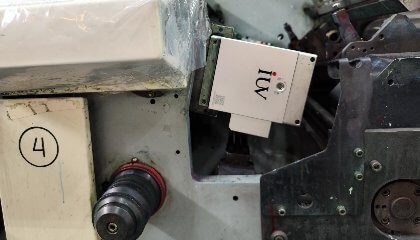
Choosing the right high-intensity LED curing system is a critical decision for any printing operation. This technology offers significant advantages over traditional UV curing methods, impacting everything from print quality and speed to operational costs and environmental footprint. Understanding the nuances of LED UV curing is key to making an informed choice that aligns with your specific printing needs, especially within the demanding sectors of label, flexographic, and offset printing.
Understanding LED UV Curing Technology
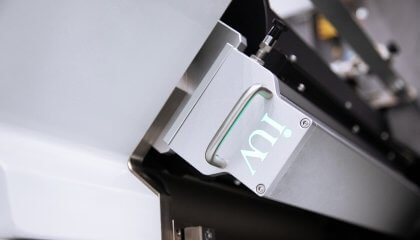
LED UV curing utilizes light-emitting diodes (LEDs) to produce ultraviolet light. Unlike mercury vapor lamps, LEDs emit light at specific, narrow wavelengths. This targeted emission provides several benefits. It means less wasted energy and heat, leading to more efficient curing and a gentler process for heat-sensitive substrates. The lifespan of LED lamps is also considerably longer than mercury lamps, reducing maintenance and replacement costs.
The Benefits of High-Intensity LED Curing
High-intensity LED systems deliver a powerful dose of UV light, enabling faster curing speeds. This is particularly advantageous in high-volume printing environments where throughput is paramount. The precise wavelength control ensures optimal photoinitiator activation, resulting in superior cure depth and surface cure. This translates to enhanced print durability, better scratch and chemical resistance, and sharper image quality.
Application in Label Printing
For label printers, speed and versatility are non-negotiable. High-intensity LED curing systems can handle a wide range of inks and coatings essential for producing high-quality labels. Whether it’s for food and beverage, pharmaceuticals, or industrial applications, the consistent and efficient curing provided by LEDs ensures labels meet stringent durability requirements. The reduced heat output also allows for printing on thinner, more sensitive label stocks without distortion.
Flexographic Printing Considerations
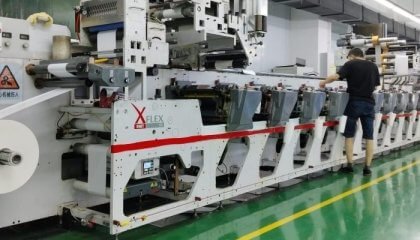
In flexographic printing, especially for narrow-web applications, achieving a perfect cure at high speeds is crucial. LED UV curing systems integrate seamlessly into flexo presses, offering instant on/off capabilities that minimize ink waste and prevent substrate overheating. The precise control over light intensity and wavelength allows flexo printers to achieve vibrant colors and sharp details, even with complex designs. The immediate cure also means less tackiness, reducing issues like ink transfer between printed layers.
Offset Printing and LED UV
Offset printing, whether sheet-fed or web-fed, benefits significantly from LED UV technology. It allows for the use of a broader spectrum of inks and coatings that cure instantly under the specific LED wavelengths. This enables printers to handle a variety of substrates, including plastics and synthetics, with excellent results. The energy efficiency and reduced heat generation are also major plus points for offset operations, contributing to a more sustainable and cost-effective printing process.
Key Factors When Choosing an LED Curing System
When selecting a high-intensity LED curing system, several technical aspects warrant close examination.
- Wavelength Compatibility: Different inks and coatings are formulated to cure at specific UV wavelengths. Common LED wavelengths include 365 nm, 385 nm, 395 nm, and 405 nm. It is vital to match the LED system’s wavelength output to the photoinitiators in your chosen inks and coatings to ensure a complete and thorough cure. Consult with your ink supplier to determine the optimal wavelength for your specific applications.
- Irradiance (Power Density): This refers to the amount of UV energy delivered to the substrate per unit area, typically measured in Watts per square centimeter (W/cm²). Higher irradiance generally leads to faster curing speeds and better cure quality. High-intensity systems offer significantly higher irradiance than their predecessors, enabling printers to achieve maximum production speeds.
- Dose (Energy Density): The total amount of UV energy delivered is the dose, calculated by multiplying irradiance by exposure time (Joules/cm²). A sufficient dose is required for the ink or coating to cure completely. High-intensity LED systems, by providing high irradiance, allow for shorter exposure times while still delivering the necessary dose.
- Uniformity: Consistent light output across the entire curing width is essential for uniform curing and preventing defects. Look for systems designed with advanced optics and cooling to ensure even irradiance distribution. Poor uniformity can lead to partial curing in some areas, resulting in compromised print quality and durability.
- Cooling System: While LEDs generate less heat than mercury lamps, high-intensity systems still require effective cooling to maintain optimal performance and longevity. Ensure the system has a robust cooling mechanism, whether air-cooled or water-cooled, to prevent overheating of the LEDs and the substrate.
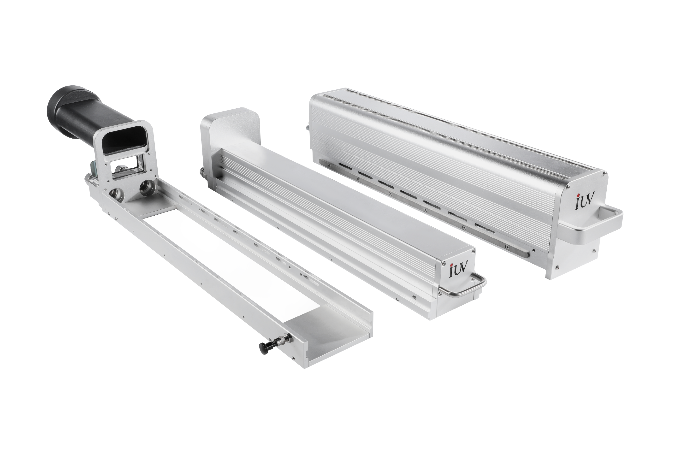
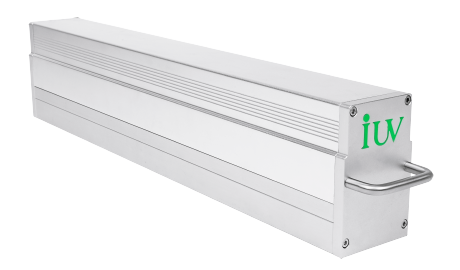
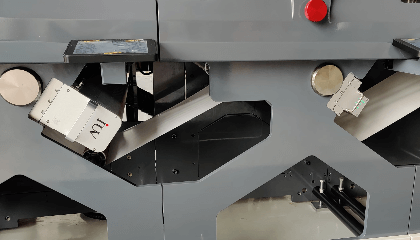
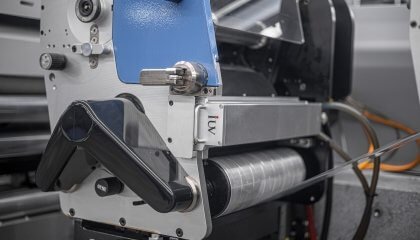
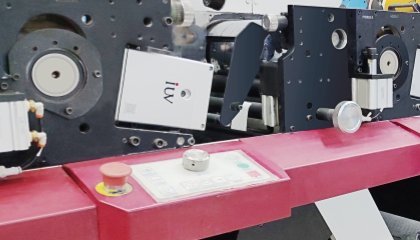
- Integration and Size: Consider how the LED curing system will be integrated into your existing printing press. The physical dimensions of the lamphead, power supply, and associated components are important. Many modern LED systems are designed for easy retrofitting onto various press types, including narrow-web flexo and offset machines.
- Serviceability and Lifespan: Investigate the expected lifespan of the LED modules and the availability of replacement parts and technical support. LED lamps typically last much longer than mercury lamps, but understanding warranty periods and service plans is prudent.
Addressing Specific Printing Challenges
For narrow-web label printing, the compact nature and instant on/off capabilities of LED systems are invaluable. They enable rapid job changes and minimize waste, as the UV light is only active when the substrate is present. In flexographic printing, the reduced heat preserves the integrity of photopolymer plates, extending their usable life. For offset printers working with sensitive films or coatings, the low heat output of LEDs prevents substrate deformation, ensuring dimensional stability and print accuracy.
The Future is Bright with LED Curing
High-intensity LED curing represents a significant advancement in UV curing technology. Its efficiency, consistency, and versatility make it an indispensable tool for modern printing operations, particularly in the demanding label, flexographic, and offset printing markets. By carefully considering the technical specifications and your specific printing requirements, you can select an LED system that not only meets your current needs but also positions your business for future growth and innovation. The investment in a high-quality LED curing solution is an investment in superior print quality, increased productivity, and a more sustainable printing future.